





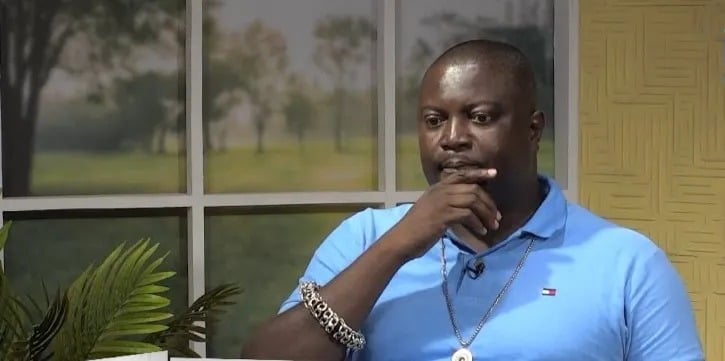
Dr. Jonathan Asante, a political science lecturer at the University of Cape Coast, attributes the New Patriotic Party’s (NPP) defeat in the 2024 general elections to a confluence of factors, primarily centered around the leadership style of former President Nana Addo Dankwa Akufo-Addo. He argues that Akufo-Addo’s administration operated as a “one-man show,” thereby weakening the party’s internal structures and creating a breeding ground for the eventual electoral loss. This centralized power structure, according to Dr. Asante, fostered an environment where the perspectives and contributions of other party members were marginalized, ultimately hindering the NPP’s ability to connect with the electorate and effectively address their concerns. He assigns 60% of the blame for the defeat to Akufo-Addo’s leadership style and the remaining 40% to the then-vice president and subsequent presidential candidate, Dr. Mahamudu Bawumia.
Furthermore, Dr. Asante points to the perceived arrogance displayed by government appointees as a significant contributing factor to the NPP’s downfall. This perceived disconnect between the government and the people eroded public trust and goodwill, creating an atmosphere of resentment that ultimately manifested in the ballot box. The combination of a centralized power structure and an aloof governing style, according to Dr. Asante, alienated voters and fueled a widespread desire for change. This sentiment, he argues, ultimately overshadowed any positive achievements of the Akufo-Addo administration and paved the way for the NPP’s electoral defeat.
The overreliance on monetary resources to influence political outcomes, rather than engaging with and strengthening party structures, further exacerbated the NPP’s vulnerabilities. This approach, as described by Dr. Asante, prioritized short-term gains over long-term party building, leading to a weakening of the very foundation upon which electoral success is built. The neglect of grassroots mobilization and the prioritization of financial influence over genuine engagement with the electorate created a disconnect between the party and the people it sought to represent.
Dr. Asante uses the analogy of “the fathers have eaten sour grapes and the children’s teeth are set on edge” to illustrate the consequences of Akufo-Addo’s leadership style. This biblical reference highlights the intergenerational impact of poor leadership, suggesting that the repercussions of Akufo-Addo’s actions extended beyond his own tenure and significantly hampered the prospects of subsequent party leaders, including Dr. Bawumia. The analogy underscores the long-term damage inflicted upon the NPP due to the perceived failings of its previous leadership.
In the aftermath of the 2024 electoral defeat, the NPP has embarked on a period of introspection, seeking to understand the root causes of its loss and implement corrective measures. This process of self-assessment involves gathering feedback from party members and the broader public to gain a comprehensive understanding of the factors that contributed to their defeat. The party recognizes the need to rebuild trust, strengthen its internal structures, and reconnect with the electorate to regain its footing and prepare for future elections.
The NPP’s post-election analysis signifies a recognition of the need for change and a commitment to addressing the shortcomings that led to their defeat. This process of self-reflection and reform is crucial for the party’s long-term viability and its ability to effectively compete in future elections. By actively engaging with its members and the public, the NPP aims to learn from its mistakes, rebuild its image, and emerge as a stronger and more responsive political force. The ultimate success of this undertaking, however, will depend on the party’s willingness to embrace meaningful change and address the fundamental issues identified by Dr. Asante and others.








