









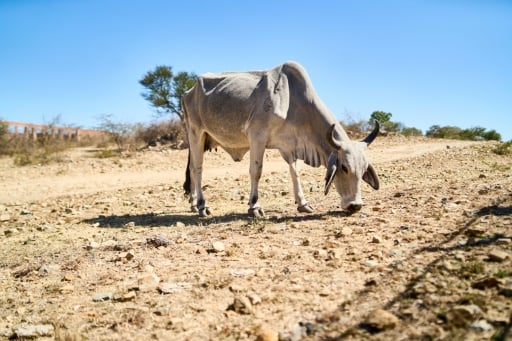
A severe drought affecting southern Africa has triggered a food crisis, threatening the livelihoods of 26 million individuals, according to a recent warning from the United Nations World Food Programme (WFP). The situation has been exacerbated by the climate-driven 2023-2024 El Niño phenomenon, with projections suggesting the crisis could extend until at least March or April of the following year when the next harvest is anticipated. Eric Perdison, the WFP’s regional director for southern Africa, has identified the seven nations most adversely impacted by the drought: Angola, Lesotho, Malawi, Mozambique, Namibia, Zambia, and Zimbabwe. To avert further deterioration of food access and stave off widespread hunger, the WFP has called for additional funding of $300 million.
The severity of the drought has led five countries—Lesotho, Malawi, Namibia, Zambia, and Zimbabwe—to declare national emergencies. This situation has resulted in the destruction of crops and livestock, forcing farmers unable to plant seeds during this crucial period. Antonella D’Aprile, the WFP’s country director in Mozambique, conveyed the dire circumstances, highlighting that many fields are barren and that communities are left with little to eat, with some families surviving on a mere single meal each day. She emphasized the urgency of immediate assistance, noting that the timing to provide support for those affected is critical.
In Malawi, the WFP indicated it has had to resort to importing food to address the shortages. Paul Turnbull, a representative for the WFP in Malawi, reported that almost half of the maize crops were damaged due to the drought. The difficult choices facing families have included skipping meals, depriving themselves of food to allow their children to eat, withdrawing children from education, and selling their possessions for sustenance. Zambia, previously recognized as a “food basket” of southern Africa, is now reported to be on the verge of a hunger crisis, demonstrating that no region has remained untouched by the drought’s impact.
Namibia, which is categorized as an upper middle-income nation, is also grappling with severe issues related to food insecurity. Tiwonge Machiwenyika, a WFP representative, reported that all 14 regions of the country have been affected by the drought, with specific areas showing troubling levels of food shortage. Meanwhile, the situation in the Democratic Republic of the Congo (DRC) is equally distressing, with over 25 million individuals experiencing emergency levels of food insecurity. Peter Musoko, the WFP’s representative in the DRC, noted that a combination of conflict, climate extremes, and public health crises such as outbreaks of mpox, cholera, and measles are contributing to the widespread food insecurity.
The ensuing crises have also led to a concerning rise in sexual and gender-based violence in the DRC, alongside the establishment of brothels near camps for displaced individuals. This multifaceted disaster highlights the complex interplay of various challenges faced by communities in the region, exacerbated by climate change and instability. In a response to these pressing issues, U.S. President Joe Biden announced a $1 billion humanitarian aid package during a recent trip to the region. This significant funding is aimed at supporting 31 African countries, with a particular focus on those affected by the devastating drought, underscoring the urgent need for international cooperation to address this escalating crisis.
Overall, the urgent call from the WFP emphasizes the need for immediate intervention to avert a humanitarian catastrophe in southern Africa. The dire situation is a stark reminder of the vulnerability of communities exposed to climate extremes and underscores the critical importance of donor support to alleviate the suffering of millions grappling with food insecurity. The looming challenges require not only short-term relief efforts but also long-term strategies to build resilience against such recurring climatic shocks in the future.









