









Paragraph 1: The Suspension of Re-collation in Ablekuma-North
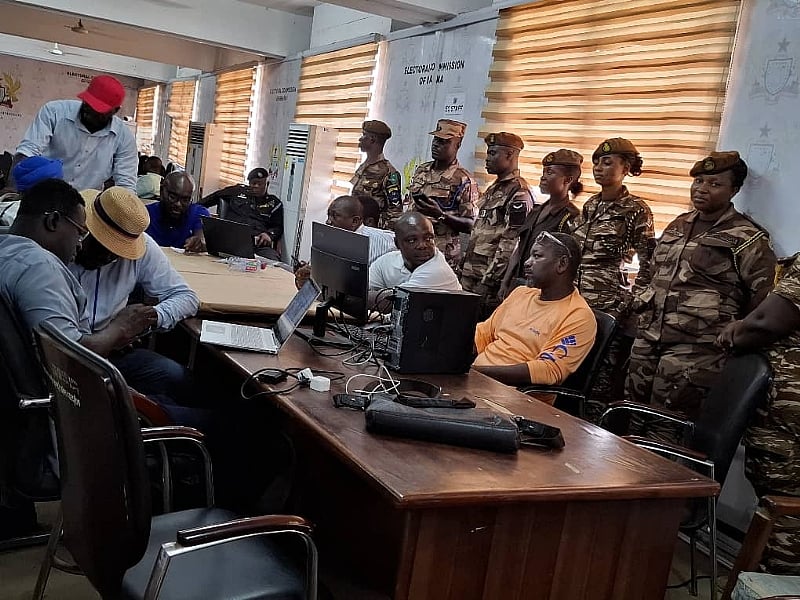
The Electoral Commission (EC) of Ghana suspended the re-collation of parliamentary results for the Ablekuma-North constituency on Sunday, December 13, 2020. This suspension stemmed from a disagreement concerning the authenticity of results sheets from 21 polling stations within the constituency. The hard copies of these results sheets were reportedly missing, prompting the presentation of scanned copies. However, the presiding officer for the Ablekuma-North collation, Mr. Vincent Obeng, expressed his inability to authenticate these scanned copies without corresponding soft copies to verify their accuracy. This impasse led the EC to halt the process to thoroughly investigate the authenticity of the disputed documents.
Paragraph 2: Background of the Re-collation Exercise
The re-collation exercise itself was mandated by a High Court ruling. The court ordered the EC to complete the collation and declaration of parliamentary results for four constituencies: Tema Central, Okaikwei Central, Ablekuma North, and Techiman South. These constituencies had outstanding polling station results that required collation before final declarations could be made. The number of outstanding polling stations varied across the constituencies, with Tema Central having two, Okaikwei Central having 31, Ablekuma North having 62, and Techiman South having the highest number at 147.
Paragraph 3: Successful Re-collation and Declarations in Other Constituencies
Despite the challenges encountered in Ablekuma-North, the EC successfully re-collated and declared the results for the other three constituencies. In Okaikwei Central, Patrick Yaw Boamah of the New Patriotic Party (NPP) was declared the Member of Parliament-elect. Similarly, Charles Forson, also of the NPP, emerged as the MP-elect for Tema Central. In the hotly contested Techiman South constituency, Martin Kwaku Adjei-Mensah Korsah of the NPP was declared the winner. These declarations brought closure to the parliamentary elections in these areas.
Paragraph 4: The Ablekuma-North Impasse and Missing Results
The Ablekuma-North constituency presented a unique challenge due to the missing original result sheets for 21 polling stations. While the NPP presented scanned copies of these results, the EC presiding officer, Mr. Obeng, stated his inability to verify their authenticity without the corresponding soft copies or original documents. He explained that the original result sheets were allegedly destroyed on the initial collation day, hence the reliance on scanned copies. Mr. Obeng assured that the EC would investigate the matter and attempt to establish the veracity of the scanned results within 24 hours.
Paragraph 5: Political Parties’ Reactions and Concerns
The suspension of the Ablekuma-North re-collation elicited varied responses from the political parties involved. Mr. Evans Nimako, the Director of Elections for the NPP, expressed confidence in the authenticity of the scanned results presented by his party. He urged NPP supporters to remain calm and respect the EC’s processes for resolving the impasse. Conversely, Dr. Tanko Rashid-Computer, Deputy Director of IT and Elections for the National Democratic Congress (NDC), rejected the entire re-collation exercise, labeling it illegal. He indicated the NDC’s intention to pursue legal avenues to challenge the EC’s declarations made on Sunday.
Paragraph 6: Implications and Next Steps
The suspension of the Ablekuma-North re-collation highlighted the challenges faced by the EC in ensuring the transparency and integrity of the electoral process. The missing original result sheets and the reliance on potentially unverifiable scanned copies raised concerns about the security and preservation of election materials. The differing stances of the NPP and NDC further underscored the political tensions surrounding the election results. The EC’s ability to authenticate the disputed results and its subsequent handling of the Ablekuma-North collation will be crucial in maintaining public trust in the electoral system. The outcome of the Ablekuma North collation, whenever it occurs, will determine the final parliamentary representation for the constituency and could potentially influence the overall balance of power in Parliament. The NDC’s stated intention to pursue legal action adds another layer of complexity to the situation and could further prolong the finalization of the parliamentary election results.










