





The Economic Community of West African States (ECOWAS) is grappling with the repercussions of the recent withdrawal of Mali, Burkina Faso, and Niger from the regional bloc. This departure, formalized on January 29th, has profound implications for the security landscape of West Africa and the Sahel region, prompting ECOWAS to develop a contingency plan to mitigate potential unforeseen consequences. The withdrawal necessitates a thorough reassessment of existing security arrangements and a renewed focus on collaborative efforts to address the escalating security challenges. The epicenter of insecurity remains the Central Sahel, a region plagued by terrorism, weak governance, ethnic tensions, and ecological degradation. The ripple effects of this instability are felt across West Africa, particularly in the coastal states, which face increasing pressure from these converging crises.
The withdrawal of these three nations underscores a shifting geopolitical dynamic within the Sahel. The Alliance of Sahelian States is realigning its partnerships, moving away from Western involvement in security and economic sectors. This shift, coupled with their withdrawal from ECOWAS, adds another layer of complexity to an already volatile situation. The confluence of these factors contributes to the growing influence of transnational jihadist groups and intensifies existing regional instabilities. The Global Terrorism Index highlights the severity of the situation, reporting that the Sahel accounted for a staggering 51% of global terrorism deaths in 2024. This alarming statistic underscores the urgent need for a comprehensive and coordinated response to counter the escalating threat of terrorism in the region.
ECOWAS recognizes the critical need for a unified approach to address these challenges. The organization is calling for concerted efforts to strengthen shared aspirations for a peaceful, secure, and prosperous West African region. This requires enhanced cooperation among member states, a renewed commitment to regional security mechanisms, and a strategic approach to addressing the root causes of instability. The withdrawal of Mali, Burkina Faso, and Niger necessitates a reassessment of ECOWAS’s security architecture and a re-evaluation of its strategies for combating terrorism and promoting stability.
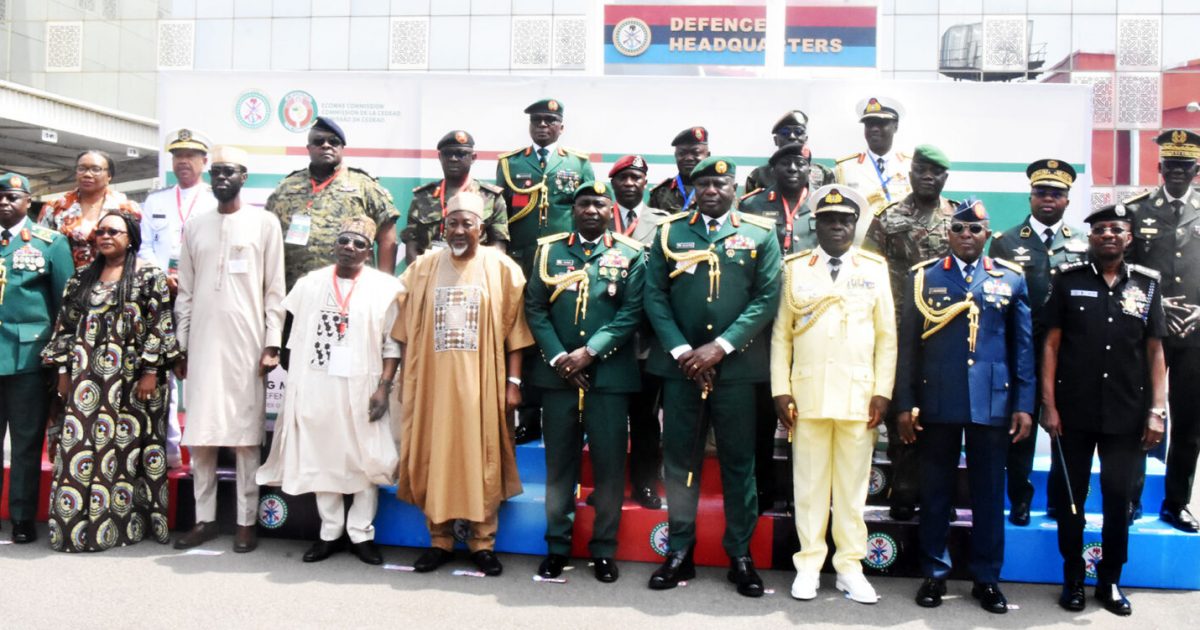
A key element of ECOWAS’s response is the activation of its Standby Force in its kinetic form, a decisive step towards combating terrorism and addressing the escalating security threats. The ECOWAS Committee of the Chiefs of Defence Staff convened in Abuja to deliberate on this critical issue, along with a review of the tasks assigned from their previous meeting in August 2024. The meeting also provided a platform to analyze recent developments and assess the overall security situation within the region. The Chiefs of Defence Staff from remaining member states – Benin Republic, Cape Verde, Côte d’Ivoire, the Gambia, Liberia, Sierra Leone, Senegal, and Togo – are actively engaged in these crucial discussions, underscoring their commitment to regional security.
The security situation in the region continues to be a pressing concern, marked by the activities of terrorist armed groups, transnational organized crime, and banditry. These interconnected challenges pose a significant threat to regional stability and require a multifaceted approach. ECOWAS is actively working to enhance its operational capabilities, including the establishment of a Regional Logistics Depot in Lungi, Sierra Leone. This initiative represents a significant step towards strengthening the organization’s logistical capacity and its ability to respond effectively to security crises. The physical construction of phases one and two of the depot has been completed, and the furnishing process is currently underway, marking significant progress towards its full operationalization.
In conclusion, the withdrawal of Mali, Burkina Faso, and Niger from ECOWAS presents a significant challenge to regional security. The convergence of terrorism, weak governance, ethnic tensions, and ecological degradation, exacerbated by the shifting geopolitical landscape, creates a complex and volatile environment. ECOWAS is taking proactive steps to mitigate the potential consequences of this withdrawal, including the development of a contingency plan, the activation of its Standby Force, and the establishment of a Regional Logistics Depot. The organization recognizes the need for a unified and collaborative approach to address these multifaceted challenges and remains committed to its mission of promoting peace, security, and prosperity within the West African region. The active participation of remaining member states in these crucial discussions and initiatives underscores their collective resolve to address these pressing security concerns and work towards a more stable and secure future for the region.








