









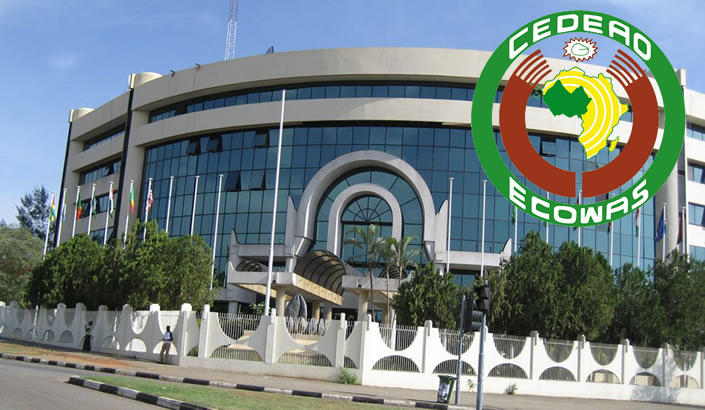
The Economic Community of West African States (ECOWAS) is set to commence the formal withdrawal process for three member states – Burkina Faso, Mali, and Niger – starting January 29, 2025. This decision, announced by ECOWAS Commission President Dr. Omar Touray, follows a one-year statutory waiting period after the three nations formally notified the regional bloc of their intention to withdraw. A six-month transition period, extending until July 29, 2025, will follow, during which ECOWAS will engage the necessary withdrawal protocols and keep the door open for the three countries to potentially reconsider their decision. This period allows for the settlement of financial and legal obligations, as stipulated by Article 91 of the Revised ECOWAS Treaty, which governs the withdrawal process. The treaty mandates a one-year period after notification before withdrawal becomes official, providing time for resolving outstanding commitments and facilitating a smooth transition.
The decision to withdraw stemmed from accusations by the three countries that ECOWAS had deviated from its founding principles and succumbed to external pressures. They cited sanctions imposed by the bloc in response to military coups in their respective nations as a primary grievance. Mali experienced two coups in 2020 and 2021, followed by Burkina Faso in 2022 and Niger in 2023. These events led to their suspension from ECOWAS and significantly strained relations. In response to their isolation within the West African community, the three nations formed the Alliance of Sahel States, a new regional bloc focused on mutual defense and support. This alliance signifies a shift away from traditional Western alliances, particularly with France, and a move towards closer ties with Russia, marking a significant geopolitical realignment in the region.
ECOWAS has appointed Senegalese President Bassirou Faye and Togolese President Faure Gnassingbé to continue their mediation efforts with the withdrawing states. Their mandates, initially granted in June 2024, have been extended until the end of the transition period in July 2025. Their task is to engage with the three nations and explore avenues for their potential return to the regional bloc. This continued diplomatic effort underscores ECOWAS’s commitment to maintaining dialogue and seeking resolutions that preserve regional stability and cooperation. The bloc recognizes the importance of maintaining open communication channels even as the withdrawal process unfolds.
Beyond the mediation efforts, ECOWAS is also taking concrete steps to prepare for the post-withdrawal scenario. The President of the ECOWAS Commission has been instructed to initiate formal withdrawal procedures after the January 29, 2025 deadline and to develop a comprehensive contingency plan. This plan will address various sectors and outline the future relationship between ECOWAS and the departing nations. Further, the Council of Ministers has been directed to convene an extraordinary session in the second quarter of 2025 to review and endorse the withdrawal framework and the contingency plan. This session will be crucial in defining the political and economic relations between ECOWAS and Burkina Faso, Mali, and Niger after their official withdrawal, charting a new course for interaction in the region.
Nigeria’s President Bola Tinubu, who chairs the ECOWAS Authority, has emphasized the need for unity and adherence to the community’s core principles during this period of transition. He called on member states to translate the summit’s decisions into tangible benefits for their citizens, reaffirming ECOWAS’s commitment to fostering peace, security, and prosperity in West Africa. Tinubu’s vision for ECOWAS centers on building a community grounded in freedom, justice, democracy, and good governance, acknowledging and addressing the legitimate aspirations of the people. This focus on core values and citizen well-being is crucial for maintaining stability and fostering inclusive growth within the remaining member states.
The 66th Ordinary Session of the ECOWAS Authority of Heads of State and Government also marked a time of transition within the broader African political landscape. The summit was the last ECOWAS meeting for Moussa Faki, the outgoing President of the African Union Commission. It also provided an opportunity to bid farewell to outgoing Ghanaian President Nana Akufo-Addo, whose democratic leadership was lauded by President Tinubu. These farewells acknowledge the contributions of these leaders and underscore the importance of continued collaboration and mentorship for the future of the region. The ongoing changes within ECOWAS and the broader African political landscape call for adaptable leadership and a commitment to the principles that underpin regional stability and development.









