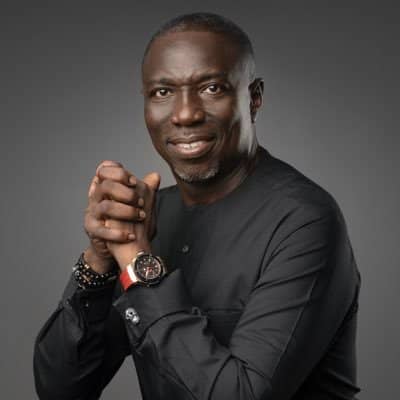
Asue Ighodalo, the Peoples Democratic Party (PDP) governorship candidate in the upcoming September 21 election in Edo State, has publicly affirmed his unwavering faith in the judiciary as the last hope for the common man. Speaking during a television program in Benin, he emphasized that his extensive 40-year legal experience has solidified his belief in the judicial system’s capacity to rectify injustices. Ighodalo reflected on the legal hurdles he faced following his nomination, but he expressed optimism about overcoming these challenges at the tribunal, highlighting his successful defense against 15 lawsuits aimed at undermining his candidacy.
Ighodalo did not shy away from addressing the troubling political climate surrounding the election, accusing the All Progressives Congress (APC) and certain officials within the Nigeria Police Force and the Independent National Electoral Commission (INEC) of collusion to manipulate election outcomes. He condemned the harsh treatment meted out to PDP supporters through baseless accusations before and during the election and termed these actions as detrimental to democracy in Nigeria. Confident in his ability to reclaim what he represents as a stolen mandate, Ighodalo promised to exhaust all lawful avenues for a resolution.
A critical aspect of Ighodalo’s concerns revolved around his experience with what he described as the undue bias exhibited by INEC towards the APC. He referred to the court order he possessed that allowed for the inspection of election materials, asserting that his party was unjustly denied access to the necessary resources to support their petition. According to him, numerous election observers had evaluated the collation process negatively, which, coupled with the irrefutable evidence he claimed to have that substantiated his victory, painted a bleak picture of the electoral integrity in the state.
Dismissing claims suggesting that the PDP’s failed election bid could be attributed to internal strife, Ighodalo characterized such narratives as mere justifications circulated by APC supporters to excuse electoral misconduct. He stressed the importance of focusing on the actual election fraud rather than attributing blame to party dynamics, reaffirming his confidence in the evidence amassed by his legal team to support his case. In a broader context, he articulated a dire warning about the implications of ongoing electoral malpractices, suggesting that such behaviors could jeopardize the very existence of democracy in Nigeria.
When probed about his reaction should the courts rule against him, Ighodalo expressed a respectful readiness to accept the Supreme Court’s decision, yet he underscored the strength of his case as reflected in the collected evidence. He articulated a moral standpoint about the nature of electoral success, likening the approval of such outcomes to congratulating a thief—a metaphor underscoring his stance against unjust appropriations of power. His remarks highlighted the prevalence of partisan propaganda which, in his view, has muddied the public discourse surrounding the election.
Finally, Ighodalo praised the loyalty and support of the Edo people, encouraging them to remain steadfast and not be swayed by divisive tactics employed by those opposed to their interests. His message was one of resilience and hope for a fair electoral process, shedding light on the critical role the judiciary must play in upholding justice. He called for vigilance and unity among voters to safeguard democracy and ensure that their voices are not drowned out by efforts to undermine the electoral process. In his view, the future of democratic governance in Edo State—and potentially Nigeria—hinges on the outcome of these unfolding legal battles and the commitment of the populace to demand and uphold electoral integrity.