









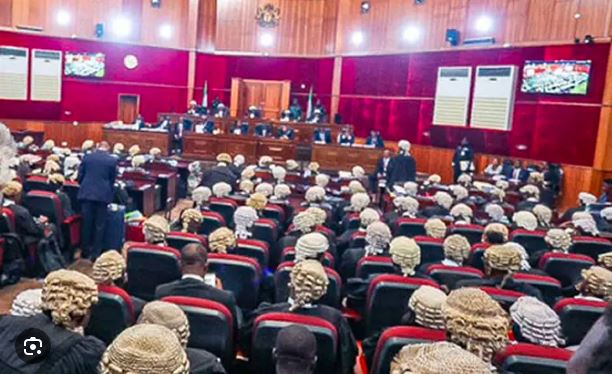
Paragraph 1: Setting the Stage for the Edo Governorship Election Petition Tribunal
The Edo Governorship Election Petition Tribunal, presided over by Justice Wilfred Kpochi, commenced its proceedings with a pre-hearing session to establish the ground rules and procedural framework for the upcoming legal battle. The primary objective of this session was to ensure a smooth and efficient trial process by outlining the parameters for witness testimony, time allocations, and scheduling. The tribunal’s commitment to transparency and fairness was evident in its meticulous approach to defining the procedural aspects of the case, setting the stage for a comprehensive examination of the electoral dispute.
Paragraph 2: Witness Testimony Framework and Time Allocations
A significant outcome of the pre-hearing session was the agreement between the involved parties regarding the number of witnesses to be called. A total of 290 witnesses are expected to testify, providing their accounts and perspectives on the contested election. To streamline the proceedings and manage time effectively, specific time limits were established for witness examinations. Star witnesses, deemed crucial to the case, are allocated 40 minutes for their initial testimony (examination-in-chief), followed by 30 minutes for cross-examination by the petitioners and 20 minutes for cross-examination by each respondent. This structured approach aims to ensure a balanced presentation of evidence and thorough scrutiny of witness accounts.
Paragraph 3: Procedures for Ordinary Witnesses and Overall Timelines
The tribunal also established procedures for the examination of ordinary witnesses, distinct from star witnesses. These witnesses will have 25 minutes for their examination-in-chief, ensuring their relevant testimony is presented efficiently. The petitioners are granted 21 days or less to present their witnesses, while each respondent has 10 days for their witness presentation. This allocation of time reflects the importance given to both the petitioners’ claims and the respondents’ defenses, ensuring each side has adequate opportunity to present their case.
Paragraph 4: Tribunal’s Operational Schedule and Case Management
To ensure consistent progress and minimize delays, the tribunal established a daily sitting schedule from 10:00 am, excluding Sundays and public holidays. This commitment to a regular schedule demonstrates the tribunal’s dedication to expediting the proceedings while maintaining due process. Importantly, the tribunal clarified that there would be no consolidation of this petition with any other related cases, emphasizing the independent nature of this particular electoral dispute. This decision reinforces the focus on the specific issues raised in the current petition and prevents any potential entanglement with other legal proceedings.
Paragraph 5: Evidence Admissibility and Language Provisions
In a bid to maintain order and relevance, the tribunal determined that only witnesses whose sworn statements had been previously submitted (front-loaded) would be permitted to testify. This requirement aims to prevent the introduction of surprise witnesses or testimonies that haven’t been properly vetted beforehand. However, acknowledging the potential need for unforeseen evidence, the tribunal allowed for the possibility of subpoenaed witnesses under specific circumstances. Furthermore, recognizing the linguistic diversity within the region, the tribunal arranged for interpreters to facilitate communication between witnesses who speak native languages (such as Benin, Esan, and Auchi dialects) and the court, ensuring all testimonies are accurately understood and recorded.
Paragraph 6: The Contested Election and the Path Ahead
The petition brought forth by Asue Ighodalo of the Peoples Democratic Party (PDP) challenges the declaration of Monday Okpebholo of the All Progressives Congress (APC) as the winner of the Edo governorship election held on September 21st. The Independent National Electoral Commission (INEC) declared Okpebholo the victor with 291,667 votes, while Ighodalo garnered 247,274 votes. The tribunal, having established a clear procedural framework and timelines, adjourned its proceedings to January 13, 2025. This adjournment provides the involved parties with sufficient time to prepare their cases, gather evidence, and strategize for the upcoming hearings, marking the beginning of a legal battle that will ultimately determine the validity of the Edo governorship election results.









