





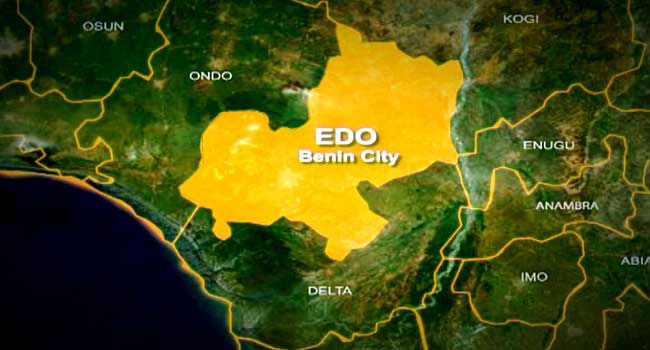
The Chairman of the Edo State Assets Verification Committee, Ernest Umakhihe, emphasized that the committee’s formation was not intended as a witch-hunt but rather as a measure to uphold transparency and accountability in the governance of Edo State. In a press briefing following the committee’s inauguration by Governor Monday Okpebholo, Umakhihe outlined the committee’s focus on examining the financial and operational records of the previous administration led by ex-Governor Godwin Obaseki. He underscored the need for a meticulous review of both budget allocations and actual government activities across various locations, aiming to ensure that every action taken aligns with fiscal responsibility and adequate governance.
The committee comprises fourteen members who collectively bring a wealth of expertise in governance, legislative functions, and financial auditing. Member Prince Kassim Afegbua reiterated the importance of the committee’s work in light of skepticism from opposition parties. He maintained that asset verification is a universal practice designed to promote accountability, urging that the committee would confront various claims objectively. The committee’s intentions rest heavily on verifying reported figures and claims, ensuring a thorough examination of resources and expenditures during the previous administration.
Umakhihe also stated that the committee would investigate both the financial and non-financial elements of the government’s operations. This comprehensive approach signifies an effort not only to track monetary allocations but also to assess the overall efficiency of projects undertaken under the former government. He assured the public that any individuals required for scrutiny would be invited to participate in the process, emphasizing a commitment to fairness and thoroughness throughout the verification exercise.
The inception of the committee has drawn attention, with various stakeholders closely monitoring its activities. Afegbua’s comments highlighted the committee’s resolve to continue regardless of criticisms, asserting that an objective look at government operations fell within its mandate. The establishment of such a body signifies a growing trend among state administrations to prioritize transparency and citizen engagement, especially following concerns about mismanagement and accountability in public office.
The commitment demonstrated by the Edo State Assets Verification Committee might set a precedent for other states in Nigeria. As corruption and mismanagement remain pressing issues in the country, the proactive stance taken by the Edo State government could inspire similar initiatives elsewhere. Such measures not only reassure the public about the integrity of their leaders but also contribute to strengthening democratic governance by emphasizing accountability and responsible stewardship of public resources.
In conclusion, the establishment of the Edo State Assets Verification Committee underlines a crucial shift towards ensuring transparent governance in Nigeria. By scrutinizing the past administration’s activities, the committee aims to foster a greater sense of trust among citizens regarding how governance is conducted. This initiative, paired with the caliber of expertise within the committee, has the potential to yield lasting improvements in governance, making it imperative for the body to remain steadfast in its commitment to accountability and openness.








