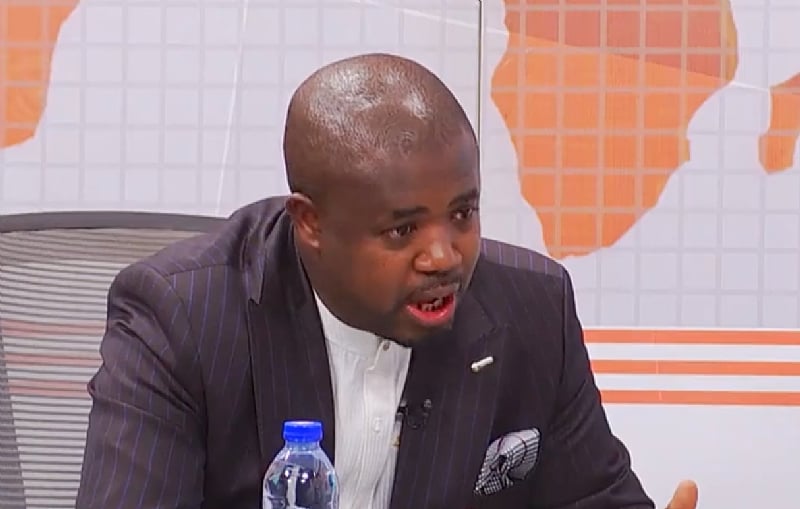
Godwin Edudzi Tamakloe, the Director of Legal Affairs for the National Democratic Congress (NDC), has voiced significant discontent regarding the Supreme Court’s ruling to stay the execution of Speaker Alban Bagbin’s declaration that four parliamentary seats are vacated. In a recent interview on Channel One TV with Nana Tuffour Boateng, Tamakloe articulated his perspective, asserting that the nature of the Supreme Court’s ruling is unprecedented and inappropriate, particularly criticizing the decision to entertain the motion for abridgement without proper procedural focus. He emphasized that the New Patriotic Party (NPP) parliamentarians had not been obstructed by any external forces but had voluntarily chosen to exit the parliamentary proceedings. Tamakloe’s objections reflect a deeper concern regarding the integrity and functioning of parliamentary procedures in Ghana.
Central to Tamakloe’s argument is the claim that the Speaker of Parliament possesses the authority to bar the four MPs from parliamentary activities based on their actions concerning their political affiliations. He questioned what recourse would be available if the Speaker were to formally instruct parliamentary officials to deny the MPs access to the legislative chamber. The implications of such a ruling resonate deeply within the ongoing conversation about democratic governance in Ghana. Tamakloe suggested that a trial of this democratic “experiment” carries inherent risks, hinting at a broader unease among Ghanaians about governmental processes and the potential ramifications of such conflicts.
The issue originated from Speaker Bagbin’s ruling which was prompted by a motion from former Minority Leader Haruna Iddrisu. Bagbin invoked specific constitutional provisions that mandate MPs intending to pursue independent candidacy to relinquish their seats. This ruling directly affected four specific members: Cynthia Morrison from Agona West, Kwadjo Asante from Suhum, Andrew Amoako Asiamah from Fomena, and Peter Kwakye Ackah from Amenfi Central, all of whom faced consequences due to either changes in their political association or their declarations of intent to run as independents for the upcoming elections.
In the wake of the Speaker’s ruling, Majority Leader Alexander Afenyo-Markin acted swiftly, filing legal challenges with the Supreme Court. His actions on October 15 sought clarification concerning the status of the four MPs concerning their intentions to contest the impending December 2024 elections, either as representatives of the NPP or as independents. Afenyo-Markin’s strategic approach points to a commitment to safeguard the NPP’s interests and maintain clarity regarding the participation of its members in the electoral process, demonstrating the high stakes involved in this political showdown.
Subsequently, Afenyo-Markin proceeded to file for a stay of execution on the Speaker’s ruling on the following Friday. The Supreme Court’s response to his motion was critical, as it led to a temporary suspension of any actions consequent to the Speaker’s declaration, including the formal acknowledgement of the parliamentary seats as vacant. This intervention by the Supreme Court places the judiciary in a pivotal position and underscores its role in mediating disputes arising from parliamentary governance and electoral candidacies.
The ongoing developments illustrate a tense intersection of legal authority, parliamentary procedure, and democratic principles in Ghana. Tamakloe’s perspectives serve as a heartfelt reminder of the delicate balance that must be maintained within a democratic system, which citizens expect to be both responsive and responsible. As the nation prepares for significant electoral events, the scrutiny surrounding these parliamentary dynamics will likely intensify, bringing the functioning of democracy in Ghana under the spotlight once more.