





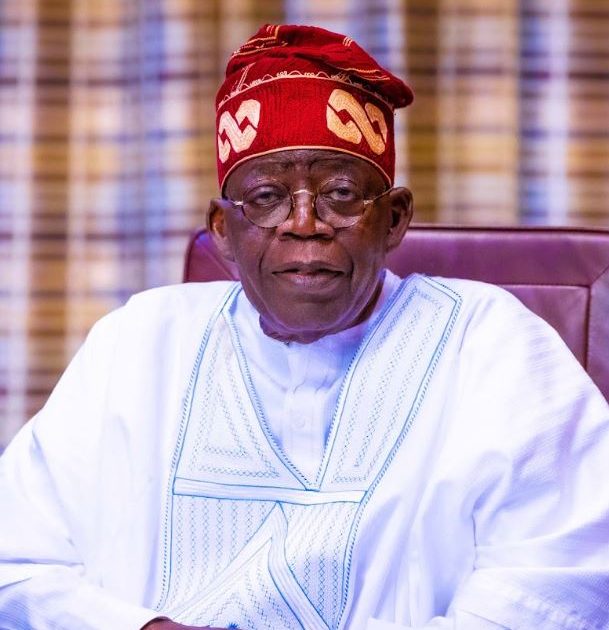
On Monday, President Bola Tinubu underscored the necessity for enhanced collaboration among government agencies, the private sector, and international partners as a fundamental strategy for driving economic growth and maintaining national stability in Nigeria. Addressing participants at the 30th Nigerian Economic Summit in Abuja, he was represented by Vice President Kashim Shettima. Emphasizing the importance of unity and commitment from all stakeholders, Tinubu expressed optimism that Nigeria could emerge as a more competitive and resilient nation through such cooperation. During the event, which was jointly organized by the Nigerian Economic Summit Group and the Ministry of Budget and Economic Planning, Tinubu presented his administration’s Renewed Hope Agenda, aimed at fostering an environment conducive to sustainable economic growth and shared prosperity for all citizens.
Central to Tinubu’s vision is the concept of economic diversification, which he deemed critical for achieving inclusive and sustainable growth. He highlighted the need to focus on key sectors such as agriculture, manufacturing, and the digital economy. Furthermore, Tinubu addressed Nigeria’s pressing economic challenges, outlining ongoing initiatives to enhance infrastructure, streamline regulations, and improve the overall ease of doing business within the country. He assured attendees that significant infrastructure projects, including roads and railways, are nearing completion, which would enhance connectivity and productivity. Additionally, he emphasized the government’s commitment to harmonizing regulatory processes in order to mitigate bureaucratic barriers that have historically hindered entrepreneurial growth and innovation.
The President also elaborated on vital economic measures undertaken by his administration, notably the removal of the fuel subsidy and the unification of foreign exchange rates. He framed these initiatives as strategic efforts aimed at stabilizing Nigeria’s macroeconomic environment, asserting that they are vital components in restoring economic balance and ensuring long-term economic stability. Tinubu’s acknowledgment of the importance of economic inclusivity is notable; he emphasized that true competitiveness involves not just improving Nigeria’s global standings but also ensuring that the economy is accessible and beneficial to all citizens, regardless of their backgrounds. It is crucial, according to Tinubu, for small and medium-sized enterprises (SMEs) to flourish alongside large corporations, creating a robust economy that supports the livelihoods of all citizens.
Ongoing government reforms were further endorsed by Minister of Budget and Economic Planning, Atiku Bagudu, who presented evidence showcasing the positive impact of these measures on Nigeria’s macroeconomic performance. He noted an increase in GDP growth from 2.98% in the first quarter of 2024 to 3.19% in the second quarter, along with a downward trend in inflation and an improvement in external reserves. Bagudu appealed to the public for cooperation and understanding, asserting that optimism regarding economic recovery is warranted. His remarks framed the administration’s reform agenda as a pathway to tangible improvement and stability, encouraging a united effort between the government and the citizenry to sustain the momentum of progress.
International perspectives were introduced by the Senior Vice President and Chief Economist at the World Bank, Indermit Gill, who emphasized Nigeria’s pivotal role in Africa’s economic trajectory. He highlighted that the fate of the continent is closely tied to Nigeria’s prosperity, asserting that “Africa rising simply translates to Nigeria rising.” However, Gill cautioned against the potentially adverse effects of inflation on citizens, recognizing the importance of maintaining recently executed policy changes. He called for sustained commitment to key initiatives, including the unification of exchange rates and the elimination of oil subsidies, marking these reforms as essential to ensuring broad-based economic stability and growth.
In his opening address, Chairman of the Nigerian Economic Summit Group, Niyi Yusuf, urged continued efforts to reinforce the economy amidst ongoing challenges. He emphasized the importance of decisive reforms necessary for overcoming the economic obstacles facing Nigeria since the COVID-19 pandemic, acknowledging that while resilience has been demonstrated, fragility still persists. Yusuf stressed the need for additional steps to solidify gains in foreign direct investment (FDI) and prevent the reversal of progress in foreign exchange markets, reinforcing the call for collective action among all stakeholders in driving the nation towards sustained economic recovery and growth. The collaborative spirit expressed during the summit signifies a collective awareness of the challenges faced and a commitment to implement solutions fostering economic advancement for Nigeria.








