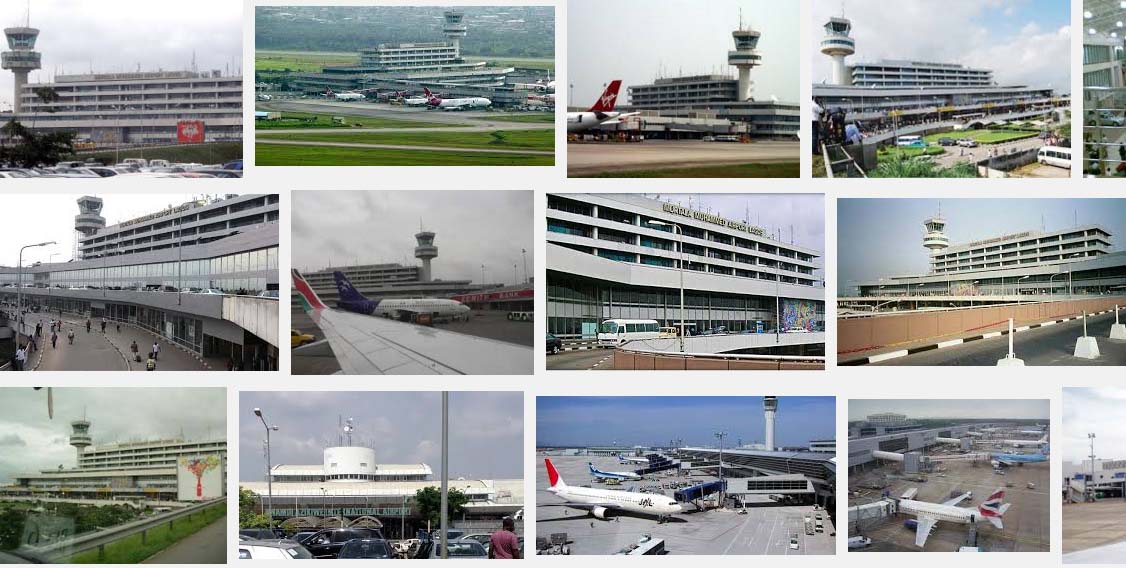
The Infrastructure Concession Regulatory Commission (ICRC) has expressed concern over the proliferation of economically unviable airports constructed by state governors across Nigeria, emphasizing that effective infrastructure planning is key to reducing project duplication. Dr. Jobson Ewalefoh, the Director-General of ICRC, addressed this issue during the 2nd Joint Public-Private Partnership Units’ Consultative Forum, which was designed to enhance dialogue among stakeholders about infrastructure development in the country. The forum, themed “Using PPP to actualise the renewed hope agenda in Nigeria’s infrastructure delivery,” called together representatives from various sectors to formulate strategies that address the current lapses in Nigeria’s infrastructure landscape.
Recent reports indicate a rush among state governors to gain approvals for new airport construction, with six states—Ekiti, Ebonyi, Jigawa, Yobe, Nasarawa, and Bayelsa—investing approximately N160 billion in projects deemed unviable by opposition lawmakers and aviation experts. Dr. Ewalefoh pointed out that while a few airports, such as Murtala Muhammed Airport in Lagos and Nnamdi Azikiwe International Airport in Abuja, generate about 80% of the revenue for the Federal Airports Authority of Nigeria (FAAN), many other state airports are a financial burden. This disparity creates a pressing need for proactive planning and collaboration among the various levels of government.
To address the rampant development of unnecessary airports, Dr. Ewalefoh argued for enhanced national planning that integrates project initiatives with input from state and local governments. He provided an illustrative example from Edo State, where multiple airports exist in proximity to one another, indicating that regional transport can be managed more efficiently through shared planning and prioritization of projects. The emphasis is on developing unique infrastructure projects that cater to the specific needs of each region while avoiding redundancy. The DG posited that through united effort, the integration of transport and infrastructure can be streamlined across the states, significantly aiding economic development.
Furthermore, in line with the goals discussed at the forum, the Nigeria Governors’ Forum (NGF) has advocated the broad implementation of Public-Private Partnerships (PPP) at state levels. AbdulRazaq AbdulRahman, the NGF Chairman, underscored the urgency of leveraging PPP to bridge Nigeria’s extensive infrastructure deficits. He stressed that effective infrastructure acts as a foundation for economic advancement and highlighted that innovative approaches offered by PPPs could lead to the efficient realization of essential projects.
AbdulRahman’s emphasis on PPP reflects a growing recognition among state governors of the need to pool resources and expertise in developing infrastructure. With inadequate infrastructure being a persistent obstacle to economic progress in Nigeria, the NGF views PPPs not only as a solution for financial constraints but also as a means to enhance the quality and efficiency of provided services. This strategic focus on public-private collaboration aims to foster a conducive environment for both local and foreign investment, ultimately nurturing economic growth and improving citizens’ quality of life.
In conclusion, the dialogue between the ICRC and the NGF underscores the necessity for cohesive planning, collaboration, and innovative strategies in Nigeria’s infrastructure development sector. As state governors continue to push for new airport projects, the call for collective input and shared experiences is more pressing than ever. The integration of infrastructure planning—coupled with the adoption of PPPs—holds the potential to transform Nigeria’s economic landscape by mitigating the financial burdens caused by underutilized infrastructure and ensuring that investments effectively meet the needs of its populace.