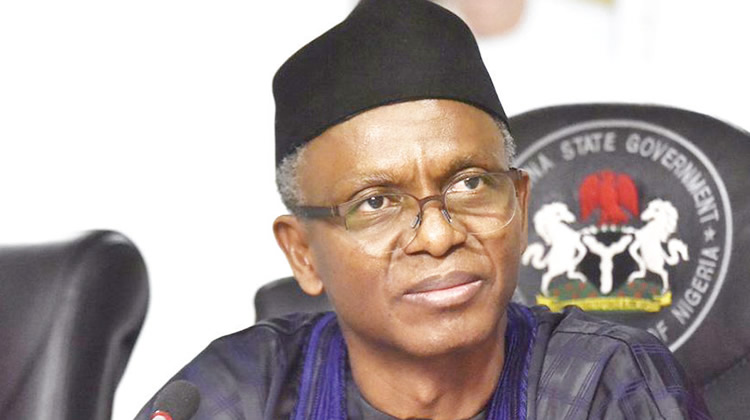
Nasir El-Rufai, the former governor of Kaduna State, has embarked on a new political trajectory, departing from the All Progressives Congress (APC) to join the Social Democratic Party (SDP). His decision, he asserts, is driven by the urgent need to construct a political platform free from the debilitating grip of godfatherism and internal dysfunction that he believes have plagued both the APC and the People’s Democratic Party (PDP). El-Rufai contends that these systemic issues have severely hampered the effectiveness of these major parties, leaving Nigeria vulnerable to a multitude of existential threats. His move to the SDP signals a desire to create a credible alternative, capable of rescuing the nation from its current predicament.
El-Rufai’s choice of the SDP is not arbitrary. He views the party as possessing significant potential for growth and as a vehicle for uniting disparate political factions. Importantly, he underscores the SDP’s freedom from the control of any single individual or “godfather,” a characteristic he deems essential for fostering internal democracy and equal opportunity. This stands in stark contrast, he argues, to the APC and PDP, where godfatherism has stifled genuine political competition and undermined the parties’ ability to effectively address the nation’s challenges. His visit to Kano, a state known for its consistently high voter turnout, is strategic, aimed at engaging key stakeholders and building a robust grassroots movement for the SDP.
The former governor’s departure from the APC, a party he played a pivotal role in forming, marks a significant shift in the political landscape. While acknowledging the APC’s initial success in uniting diverse parties and unseating an incumbent president twelve years ago, El-Rufai emphasizes that the current political climate demands a different approach. He believes that the SDP, with its established pedigree and principles, offers a fresh opportunity to bring together disillusioned members from across the political spectrum. This new coalition, he argues, is not simply a rehash of past alliances, but a genuine attempt to forge a more inclusive and effective political force.
A key element of El-Rufai’s political philosophy is his evolving stance on rotational presidency. While he previously championed the idea of power shifting to the South, he now prioritizes competence and leadership capacity over geographical considerations. He argues that the severity of Nigeria’s current challenges necessitates a leader with the vision and ability to address fundamental issues, regardless of their regional origin. This shift in perspective reflects a pragmatic approach, prioritizing the nation’s immediate needs over traditional political calculations.
The ongoing coalition talks involving five major political groups further underscore El-Rufai’s commitment to building a formidable opposition movement under the SDP banner. He dismisses the notion that the SDP is a solely northern movement, emphasizing its potential to attract support from across the country. This broader appeal, he believes, is crucial for challenging the established political order and offering Nigerians a genuine alternative to the existing power structures.
El-Rufai’s move to the SDP and his vision for a new political landscape represent a significant development in Nigerian politics. His emphasis on eradicating godfatherism, fostering internal democracy, and prioritizing competence over regional considerations resonates with a growing segment of the population disillusioned with the traditional political establishment. The success of his endeavor, however, hinges on his ability to effectively build a broad-based coalition and convince voters that the SDP offers a viable path towards a more prosperous and equitable Nigeria. The coming months will be crucial in determining whether El-Rufai’s gamble pays off and whether the SDP can emerge as a genuine force for change in the nation’s political arena.