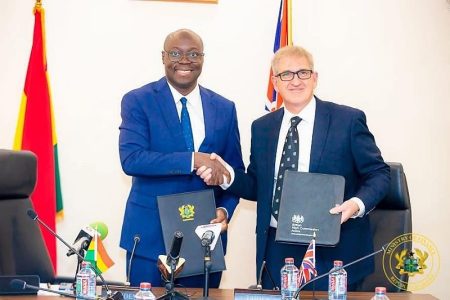
On November 28, 2024, the National Peace Council, in collaboration with the Institute of Democratic Governance (IDEG), is orchestrating a significant event: a peace pact signing ceremony involving all political parties and their presidential candidates ahead of the forthcoming December 7 elections. This initiative aims to foster a tranquil electoral environment by mandating that candidates pledge to uphold peace before, during, and after the election. Rev. Dr. Ernest Adu-Gyamfi, the Chairman of the National Peace Council, articulated a positive outlook regarding the likelihood of candidates’ participation, stating, “We believe that all the parties will be there.” He noted that commitments have been gathered, and the draft of the peace pact has already been disseminated to the parties for their review. The overall atmosphere leading up to the event appears hopeful, with no adverse feedback reported from the parties engaged in the discussions surrounding the pact.
Despite the optimistic tone, there remains some uncertainty surrounding the involvement of the opposition National Democratic Congress (NDC). The NDC’s Chairman, Johnson Asiedu Nketiah, had previously suggested that the party might refrain from participating in the peace pact signing. In August, the NDC communicated six prerequisites for its engagement in the process, which notably included the presence of several key figures: the President, the Inspector-General of Police, the Chief Justice, the National Security Coordinator, and the Attorney General. These stipulations reflect the NDC’s desire to ensure comprehensive governmental involvement in the peace process and indicate a cautious approach to the pact. Currently, it is uncertain whether any representatives from the NDC will attend the ceremony, creating a sense of unpredictability regarding the overall unity of political actors in endorsing the peace effort.
The National Peace Council and IDEG are keen to emphasize the need for a collaborative commitment to ensuring national stability through a peaceful electoral atmosphere. Rev. Dr. Adu-Gyamfi remarked on the significance of having all stakeholders actively participate in this initiative, signaling that a harmonious electoral process could have repercussions beyond just the election itself. The focus on peace reflects broader concerns about the potential for electoral violence, which can undermine democratic processes and harm societal cohesion. By fostering an environment of dialogue and cooperation, the Peace Council aims to mitigate risks associated with electoral tensions as the date of the elections approaches.
Underlining the importance of participation from all political parties, the peace pact is designed not merely as a formal agreement but as a commitment to a collective ethos that prioritizes peaceful engagement among political competitors. As the emphasis shifts towards maintaining decorum and respect among political actors, the success of such initiatives hinges on genuine involvement from all parties. The presence of high-profile political figures as signatories could lend additional credibility and weight to the agreement, potentially reinforcing a message of accountability and seriousness towards fostering peace. The still-uncertain participation of the NDC presents challenges to the perceived inclusivity and effectiveness of the pact, should they choose to remain detached from the process.
The upcoming peace pact signing ceremony serves as a critical touchstone for Ghana’s democratic ethos, particularly in a climate where electoral disputes can quickly escalate into tensions if not properly managed. As the NDC considers its position, the decisions made by each party may act as a litmus test for broader commitment toward fostering peace in the electoral space. The emphasis on dialogue, respect, and collective responsibility underscored by the National Peace Council speaks to a broader aspiration for resilience in Ghana’s democracy, imperative not only during election periods but as a foundation for governance and civic responsibility moving forward.
In summary, the collaboration between the National Peace Council and IDEG signifies a proactive step towards ensuring a peaceful electoral process in Ghana as outlined in the forthcoming peace pact signing ceremony. Despite the hopefulness expressed by council officials, particularly Rev. Dr. Adu-Gyamfi, the absence of confirmation from the NDC raises questions regarding the full participation of all political entities. This initiative highlights the importance of dialogue and mutual responsibility among political actors in electoral politics, advocating for a culture of peace that transcends the immediacy of the upcoming elections. The outcome of this ceremony not only reflects the commitment of political parties to peaceful coexistence but also contributes to the broader stability and integrity of Ghana’s democratic framework.