The Electoral Commission (EC) of Ghana is currently engaged in discussions with key media organizations, including the Ghana Journalists Association (GJA) and the Ghana Independent Broadcasters Association (GIBA), concerning media access for the upcoming 2024 general elections. A significant point of contention has been the Commission’s recent decision to restrict media coverage at collation centres, limiting access to only eight selected media houses. This limitation has attracted widespread criticism from various media entities, leading to concerns regarding transparency and the role of the press in covering the electoral process.
In response to these criticisms, a coalition of media organizations, which includes the GJA, GIBA, the Private Newspaper Publishers Association of Ghana (PRINPAG), and the Media Foundation for West Africa (MFWA), convened to address these issues. On November 28, they announced their intentions to formally submit a proposal to the EC after thorough consultations. This proposal aims to advocate for broader media access and to ensure that all relevant media representatives have the ability to cover the electoral processes comprehensively, thereby promoting transparency and accountability in the electoral system.
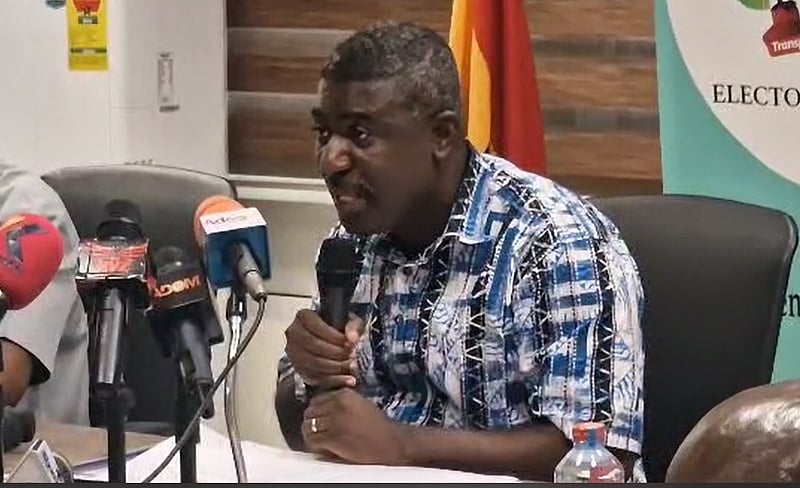
At an emergency meeting of the Inter-Party Advisory Committee (IPAC) held on November 29, EC Deputy Commissioner Dr. Bossman Asare attempted to assuage concerns from various stakeholders. He emphasized that the media will indeed be granted accreditation to cover the collation process at all levels, which includes constituency, regional, and national collation centres. Dr. Asare’s assurance highlighted the Commission’s commitment to facilitating media coverage as a crucial component of a democratic electoral process.
Dr. Asare further clarified the accreditation protocol for the collation centres, noting that while the exact number of accredited media houses for each centre is still under discussion, they are dedicated to ensuring that media presence will be available at all levels of the collation process. Political parties and presidential candidates will be allowed to have four accredited individuals at the national collation centre, which will be situated in Accra, with two persons allowed at the centre simultaneously. This arrangement is designed to maintain order and security while still permitting party representation.
Additionally, the EC outlined the accreditation process for constituency and regional collation centres, stating that each political party and presidential candidate will have the opportunity to have two accredited agents at these venues. This systematic approach aims to balance media freedom with the operational needs of the electoral process, ensuring both stakeholders can fulfill their roles effectively during the elections. The Commission has also committed to providing accreditation for domestic and international observers at the same levels, thus ensuring a comprehensive oversight role for independent bodies.
In conclusion, the ongoing dialogue between the Electoral Commission and media organizations is essential for fostering an environment of transparency and accountability as Ghana prepares for the 2024 general elections. By addressing the concerns raised by media groups and committing to broader access for journalists and observers, the EC aims to uphold democratic principles and reinforce the critical role of the media in the electoral process. As discussions continue, it remains vital for all parties involved to work collaboratively to ensure a fair and transparent electoral experience for all stakeholders.