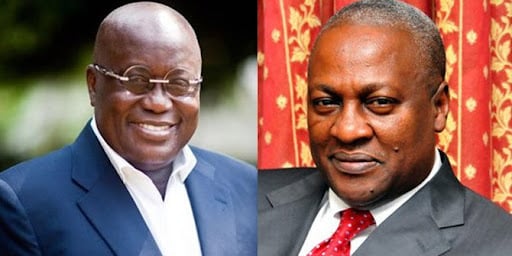
John Dramani Mahama, the former president of Ghana and current presidential candidate for the National Democratic Congress (NDC), has launched an ambitious campaign in the Western Region, highlighting his vision for the country’s future. During a recent three-day tour, Mahama criticized the existing New Patriotic Party (NPP) government, led by President Nana Akufo-Addo and Vice President Dr. Mahamudu Bawumia, citing their failures in managing the economy and addressing the growing hardships faced by Ghanaians. He emphasized the need for a change in leadership, suggesting that under his guidance, the country could experience a revival that would bring about joy and relief for its citizens.
During his campaign, Mahama engaged with various community leaders, particularly the clergy, urging them to reflect the concerns and frustrations of the people. He stated that their input was invaluable and resonated with the citizens who feel neglected by the current administration. On social media, he acknowledged the reality of the situation, claiming that the sentiments expressed by the religious leaders mirrored the broader discontent within the region, which has been exacerbated by the government’s policies. This connection with the grassroots level was a strategic move, portraying Mahama as a candidate who is not only aware of the issues but also committed to addressing them.
Mahama’s assertions were underpinned by his belief in the biblical principle that “when the righteous rule, the people rejoice.” He utilized this frame to advocate for a transformative leadership style, positioning himself as the candidate who could reset the socio-economic landscape of Ghana. His campaign slogan resonates with a desire for moral and ethical governance, suggesting that the current administration has strayed from these tenets. By framing his candidacy in this manner, Mahama seeks to inspire hope and mobilize a constituency ready for change.
To further solidify his plans for national recovery, Mahama pledged to restore vital industries within the Western Region. He emphasized the importance of revitalizing the Sekondi-Takoradi Fishing Harbour and the railway system, which he views as critical infrastructure for economic growth. His commitment extends to attracting both local and foreign investments, a strategy he believes will stimulate job creation and enhance the living standards of the people. This approach signals a proactive policy framework aimed at leveraging Ghana’s natural resources and strategic location to foster development.
Mahama’s campaign is not just about criticizing the NPP government but also about presenting practical solutions to Ghana’s pressing issues. His speeches reflect a deep understanding of the economic challenges facing the country, including inflation, unemployment, and inadequate public services. He conveys optimism that his leadership can address these obstacles through strategic investments and restoration of key industries. His rhetoric suggests an overarching theme of empowerment, encouraging citizens to envision a future where their needs and aspirations are prioritized.
As the political landscape heats up ahead of the elections, Mahama’s focus on engaging with communities and religious leaders positions him as a relatable figure in the eyes of the electorate. His call for a return to righteous governance resonates with those who feel disenchanted by the current regime’s performance. Overall, Mahama’s campaign is characterized by its emphasis on integrity, responsibility, and a commitment to fostering an inclusive and developed Ghana under an NDC administration. The outcome of his efforts will likely hinge on his ability to translate these pledges into actionable policies that address the pressing needs of the populace.