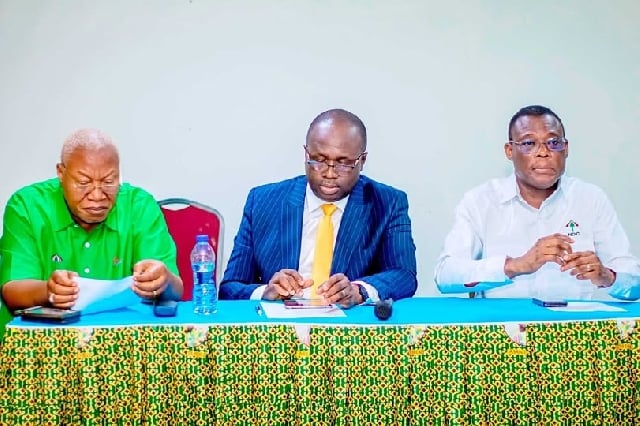
As Ghana approaches its critical general elections, the Electoral Commission (EC) finds itself under intense scrutiny due to a reported shortfall of ballot papers designated for constituencies in the Volta Region. This issue was officially raised in a letter from the EC, explicitly titled “Shortfall on Ballot Papers,” which has ignited criticism from the National Democratic Congress (NDC). With the elections set to take place soon, the NDC’s #EagleEyes team, under the leadership of its Director of Elections and IT, Dr. Edward Omane Boamah, has been closely monitoring the situation, particularly the printing and packaging of the ballots at Act Commercial, where this shortfall was first noted. The fact that the printing company adhered strictly to the ballot statistics provided by the EC raises questions about how such a discrepancy could arise, further complicating the situation.
The NDC’s concerns are rooted in a history of similar challenges during electoral preparations in the Volta Region, a traditional stronghold for the party, where past elections have shown significant inconsistencies and issues. Given this context, the party has heightened its calls for the EC to provide a comprehensive explanation regarding the origins of the ballot paper shortfall, making it clear that this issue could and should have been prevented. The recurrence of such errors feels suspicious to many party officials and supporters, fostering a sense of mistrust toward the transparency and reliability of the electoral process. Dr. Boamah emphasized the seriousness of the situation, articulating the need for the EC to take responsibility and offer clarity in order to reassure the electorate.
As the NDC addresses this pressing issue, they have announced plans to raise the matter at an upcoming Inter-Party Advisory Committee (IPAC) meeting scheduled for 11 a.m. today. This meeting aims to not only tackle the ballot paper discrepancies but also work towards improving transparency and cooperation within the electoral framework. The NDC’s involvement in this dialogue indicates a proactive approach to ensuring that any malfunctions or miscommunications are addressed before the elections commence. The party is eager to see a resolution that maintains the integrity of the electoral process, especially in light of the looming December 7 polls.
The approach the EC takes in handling this ballot paper shortfall could have significant implications for public confidence in the electoral process. With the elections approaching, how the EC responds could either alleviate or exacerbate existing tensions and suspicions surrounding the conduct of the elections. The integrity of the electoral system is crucial for democracy, and any perceived failure or mismanagement could disillusion voters and undermine the legitimacy of the upcoming polls. This situation becomes even more critical in the context of Ghana’s political landscape, where trust in institutions is vital for sustained democratic governance.
Moreover, the response from the EC will likely set a precedent for how similar issues may be managed in future elections. With political parties closely observing the commission’s actions, it is essential for the EC to demonstrate accountability and transparency. As stakeholders await the outcome of the IPAC meeting, it is clear that the eyes of the nation are upon both the commission and the NDC. The operational dynamics between political parties and the EC during such a pivotal time underscore the importance of collaboration, ensuring that citizens can cast their votes without fear of discrepancies or irregularities.
In summary, the situation surrounding the ballot paper shortfall in the Volta Region underscores the complexities and challenges that envelop the electoral process in Ghana. As the NDC highlights the potential implications of these shortfalls and pressures the EC for answers, it amplifies discussions about the reliability of electoral management and the need for systematic improvements. The forthcoming conversations within the IPAC meetings signify an essential step toward fostering greater transparency and cooperation among the country’s political parties. Ultimately, how this situation is resolved will resonate well beyond the immediate elections, shaping the public perception of the electoral machinery and impacting the democratic landscape of Ghana in the years to come.