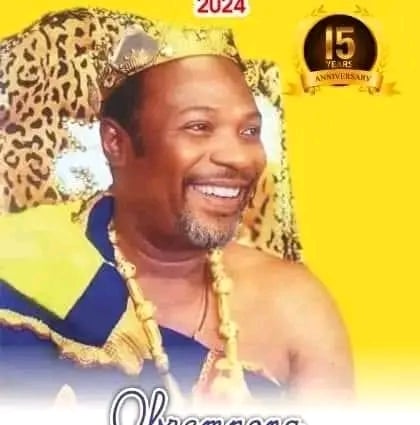
Obrempong Nyanful Krampah XI, the Omanhene of the Gomoa Ajumako Traditional Area in Ghana’s Central Region, has publicly expressed his fervent prayers for peace to prevail in the lead-up to the upcoming December 7 General Elections. During an interview at the Apemadze Shrine as part of the annual Akwambokese festival, he emphasized the critical need for a harmonious electoral process. He specifically urged the Electoral Commission, the body responsible for officiating the elections, to conduct the voting process in a manner that is free, fair, and transparent. This sentiment reflects his belief that such integrity is essential to satisfying all political stakeholders, ensuring that both winners and losers accept the results without conflict.
The relevance of traditional customs was a recurring theme in Obrempong Nyanful Krampah XI’s discourse. He shared that the traditional leaders, or Nananom, of the Gomoa Ajumako area persistently engage in rituals, such as pouring libation, to invoke blessings from their ancestors for peace and stability—especially during election years. This established practice serves as a spiritual safeguard against any form of unrest that may arise due to poor officiating in the electoral process. The Omanhene underscored the significance of maintaining a balanced and just approach by the Electoral Commission, as political parties invest substantial resources and efforts to propose their visions for governance.
Obrempong Nyanful Krampah XI looked ahead to the December elections with optimism, believing that necessary preparations had been made to ensure that these elections would be memorable in Ghana’s history. He reiterated the importance of unity among citizens, particularly urging political leaders and the youth to refrain from actions that violate electoral laws. The call for peaceful conduct during this electoral period speaks to a broader desire for societal stability and progress, echoing the sentiments of many Ghanaians who yearn for a peaceful transition of power.
To further reinforce accountability in political practices, Obrempong Nyanful Krampah XI proposed innovative methods to combat corruption. He suggested that oaths taken in traditional contexts—using elements like eggs and schnapps—could be more effective than conventional sworn oaths on religious texts such as the Bible or the Quran. His rationale is based on the belief that fear of divine retribution invoked through traditional practices might deter individuals from engaging in corrupt behaviors. He urged the need for such practices to be recognized and implemented within modern governance structures to bolster integrity within political offices.
In light of the impending elections, the Omanhene stressed the necessity for extensive public education campaigns focusing on coexistence and social cohesion. He posited that collective efforts to promote understanding and unity would facilitate both human and infrastructural development within the community. Such education is crucial for fostering a climate where dialogue and mutual respect overshadow potential divisions, particularly during politically charged times.
Ultimately, Obrempong Nyanful Krampah XI’s fervent advocacy for peace, transparency, and integrity encapsulates a broader ambition for Ghana’s democratic processes. By intertwining traditional customs with modern governance, he seeks to establish a legacy where peace and justice prevail in the polity, ensuring that all citizens can partake in a fair and equitable electoral experience. Through these endeavors, he aspires to contribute to a stable and prosperous future for the Gomoa Ajumako Traditional Area and all of Ghana, urging collective action toward a more peaceful nation.