Professor Kofi Agyekum, head of the Linguistics department at the University of Ghana, recently shared valuable insights on managing emotions during the impending December 7 elections in Ghana. His remarks, made during a segment on Peace FM’s Kokrokoo morning show, emphasized the emotional rollercoaster that often accompanies electoral outcomes. As elections can lead to joy for some and disappointment for others, Professor Agyekum called for a prudent approach to emotional responses, warning against allowing election results to negatively impact individuals’ mental and physical health.
The professor’s advice is particularly pertinent considering the high stakes involved in the electoral process, where the implications of each result can resonate deeply with citizens. By cautioning Ghanaians to avoid taking the elections too personally, Agyekum aims to mitigate the potential for emotional distress that often follows election cycles. “Do not take the election to heart to avoid heartbreaks and falling sick,” he stated, underscoring the necessity of maintaining one’s emotional equilibrium in the face of outcomes that may not align with one’s expectations.
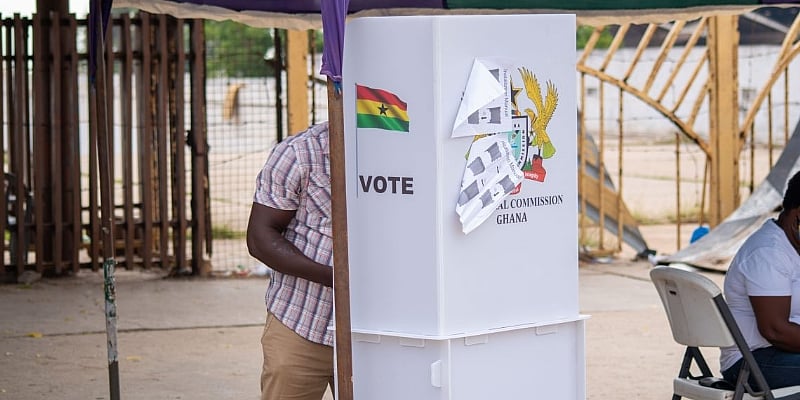
Beyond emotional management, Agyekum also stressed the vital role of active civic engagement, particularly the act of voting. He articulated a clear message about the importance of participation in the democratic process. Voting is not merely a right but a responsibility, and each individual’s participation is crucial in shaping the future governance of the country. “If you don’t go to vote, someone will elect a leader you may not like to rule over you,” he remarked, highlighting the direct consequences of political inaction.
Prof. Agyekum’s emphasis on the significance of each vote unfolds against a backdrop of political tension and societal stakes that fuel public emotions during elections. He urged citizens to recognize that every vote has the power to influence the outcome, thereby encouraging widespread voter turnout. The professor’s call to action resonates with the democratic ideals of representation and participation, reminding Ghanaians that their voice matters in the decision-making processes that govern their lives.
In his remarks, Agyekum seeks to foster a culture of informed and emotionally intelligent participation in the electoral process. The call for emotional regulation during elections takes into account the psychological impacts of political outcomes, urging individuals to engage in the electoral process while also taking care of their mental health. By promoting a balanced approach, he advocates for a democracy that not only values the act of voting but also the well-being of its citizens before and after the electoral results are announced.
Ultimately, Professor Agyekum’s insights serve as a reminder of the interconnectedness between emotional health and civic duties. As Ghanaians prepare for the upcoming elections, his message encourages a collective approach to not only celebrating democracy through participation but also understanding the emotional complexities that accompany such significant national events. His appeal is clear: while it is crucial to take part in voting, it is equally important to preserve one’s emotional well-being throughout the electoral process, ensuring that citizens emerge resilient regardless of the outcome.