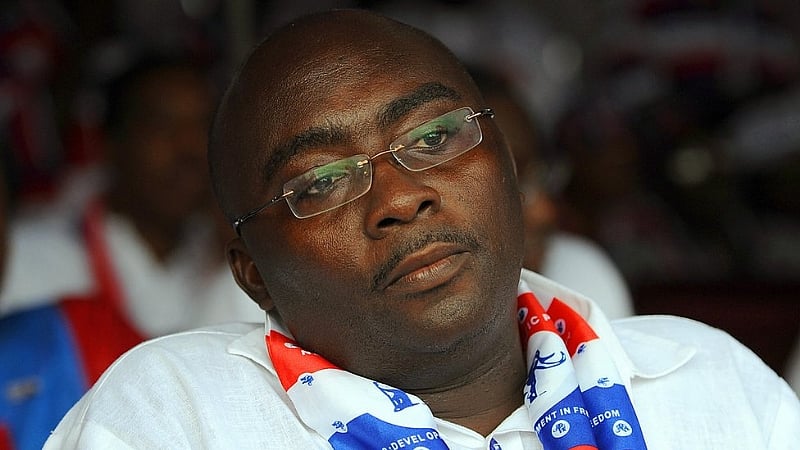
A group of lecturers from the University for Development Studies (UDS) in Tamale has directed their appeal to Ghanaians, urging them to reject Dr. Mahamudu Bawumia, the New Patriotic Party (NPP) flagbearer, in the upcoming December 7 elections. In an open letter dated December 4, the lecturers, who identify themselves as supporters of John Dramani Mahama and the National Democratic Congress (NDC), have voiced allegations against Bawumia, suggesting that he has enriched himself at the expense of ordinary citizens. Their dissatisfaction hinges on claims of a lack of accountability and transparency during his tenure as Vice President, pointing to a series of scandals that they believe exemplify his and the NPP administration’s failure to govern in the interest of the populace.
The letter emphasizes a number of corruption scandals, such as the Power Distribution Services (PDS), Agyapa, and Ghana National Petroleum Corporation (GNPC) controversies, depicting these as integral to understanding the mismanagement of resources and ethical breaches under Bawumia’s watch. The UDS lecturers argue that these incidents are not isolated, but rather indicative of a broader pattern of behavior that prioritizes personal gain over public service. They stress that the alarming trend of corruption poses a significant threat to the country’s development and the wellbeing of its citizens, ultimately leading to widespread disenchantment.
Moreover, the lecturers contend that the current NPP administration, under Dr. Bawumia’s influence, has actively undermined democratic institutions. They express concern over what they describe as a hostile environment for dissent, where opposition voices are suppressed, and freedom of expression is curtailed. This governance style is criticized for fostering an atmosphere marked by intimidation and harassment of civil society and media outlets, which the group believes is detrimental to the health of democracy in Ghana. These actions, they claim, not only stifle dissent but also inhibit constructive criticism and dialogue necessary for a vibrant democracy.
In stark contrast, the lecturers present John Mahama and the NDC as champions of good governance and social justice. They position Mahama as a “beacon of hope” for Ghanaians, advocating a candidate who they believe values accountability and the voices of the people. The group urges citizens to reflect on the principles of democracy and their right to hold leadership accountable during the elections. By advocating for a return to leadership characterized by integrity and public service, they hope to challenge the prevailing norms of corruption and disregard for the masses that they argue has been perpetuated under the NPP administration.
The call to action culminates in a powerful statement against the status quo. The lecturers emphasize that the forthcoming elections provide an opportunity for Ghanaians to assert their disapproval of a government they perceive as exploitative and disconnected from the needs of its citizens. They insist that the electoral process is a crucial moment for the people to demonstrate their rejection of the abuses they claim have characterized Dr. Bawumia’s tenure and the NPP’s governance. This collective stance underlines the urgency for a significant political shift to safeguard democratic principles and ensure a focus on public welfare.
In conclusion, the lecturers from UDS frame their arguments as not merely political endorsements but as a vital communal response to the current political climate in Ghana. They implore the populace to consider the implications of their vote in a context where government accountability and ethical leadership are paramount. By rallying support for John Mahama and the NDC, they hope to galvanize a movement rooted in the ideals of good governance that prioritizes the needs of all citizens over personal interests, thereby contributing to a more equitable and just society in Ghana.