





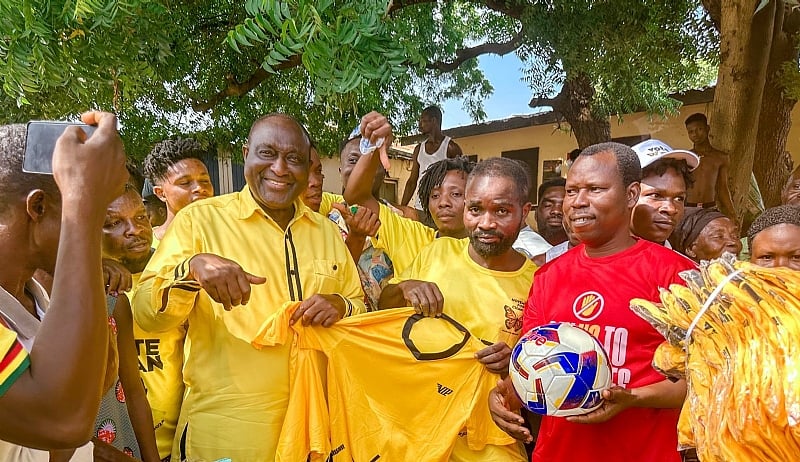
In recent developments, residents of Ghana’s Volta region have expressed enthusiastic support for Mr. Alan Kyerematen, the leader of the Afrafranto Alliance Movement, particularly during his campaign tour in the area. These residents have lauded Kyerematen for his visionary leadership and practical solutions encapsulated in his Great Transformational Plan (GTP). Their support reflects a collective yearning for a leader who recognizes the untapped potential of the Volta region. Community leaders have emphasized Kyerematen’s commitment to transforming the region into a Skills Development Hub and establishing a Traders Bank aimed at fostering business growth. Furthermore, his focus on investing heavily in agriculture, fishing, and eco-tourism resonates strongly with the local populace, who see these as critical areas aligned with the region’s natural strengths.
Kyerematen’s campaign tour was not only marked by cheers and enthusiastic receptions but also underscored by the presence of key team members, including his Policy Director, Yaw Buabeng Asamoah, and other senior members of the Afrafranto Alliance. The unity and significance of his campaign in the Volta region were palpable, reflecting how crucial this area is for the upcoming elections. During his address, Kyerematen expressed gratitude for the overwhelming love and support from the residents, describing the honor of being referred to as a “second father.” This sentiment indicates a deep emotional connection with the constituents, which Kyerematen aims to honor through a promise of transformational leadership that benefits not just the Volta region but the entire nation.
Amid celebrations, Kyerematen addressed a common concern regarding independent candidates’ viability in Ghanaian elections. He urged constituents to dismiss claims that these candidates lack the ability to secure victory. Drawing parallels with successful independent leaders worldwide—such as George Washington, Emmanuel Macron, and Patrice Talon—Kyerematen asserted that leadership should transcend party affiliation. His message resonated with the crowd, who were encouraged to see this election as a chance to redefine Ghana’s narrative and path forward. The sentiments expressed by Kyerematen reflect a broader desire for change among the electorate, hinting at a potential shift in the political environment.
Kyerematen’s campaign can be characterized by a strong emphasis on an inclusive approach to leadership, where he prioritizes the voices and desires of the people. His call for unity among voters, irrespective of party affiliations, was met with enthusiastic cheers. He reframed the election’s narrative, positioning it as a critical juncture for Ghana that would determine its future direction. By emphasizing leadership qualities rather than traditional party politics, Kyerematen aims to galvanize supporters to focus on the core message of transformation, empowerment, and progress.
The significance of this tour goes beyond mere political campaigning; it symbolizes a movement towards a collective aspiration for national renewal. Kyerematen presented himself not just as a candidate, but as a facilitator of a broader transformation for the marginalized regions, particularly Volta. His initiatives around skills development and support for local industries demonstrate a long-term vision to uplift communities and revitalize economic prospects. This aligns with the hopes of residents who seek a partner in governance capable of translating their aspirations into viable opportunities.
As Kyerematen concluded his engagement in the region, the responses from the residents reaffirmed the critical role of grassroots support in shaping political narratives. The tour showcased not just a campaign strategy but a burgeoning movement yearning for a transformative approach to governance. Kyerematen’s passionate appeal, coupled with the residents’ overwhelming support, points to a potential paradigm shift in Ghana’s electoral dynamics—a scenario where independent candidates could emerge as viable challengers against traditional party structures, thereby impacting the fabric of the nation’s governance and participation in its democratic process.








