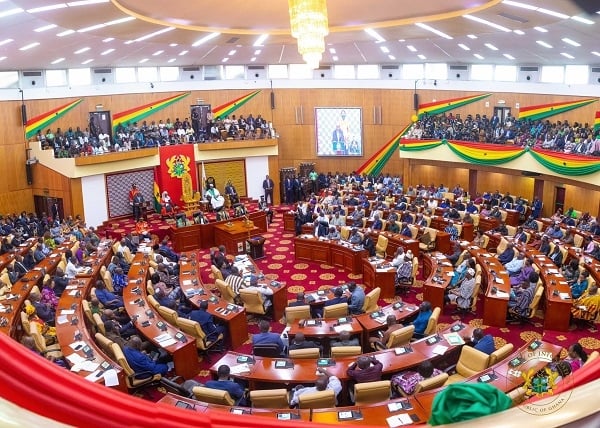
The upcoming election of the Speaker of the Ninth Parliament of the Fourth Republic of Ghana, scheduled for January 5, 2025, marks a significant procedural shift aimed at ensuring a smooth transition of power. This preemptive approach, enshrined in the Presidential Transition Act, mandates the Speaker’s election two days prior to the presidential inauguration, a departure from the previous practice. This change directly addresses the chaotic scenes witnessed during the Eighth Parliament’s Speaker election in 2021, where proceedings extended into the presidential inauguration, causing delays and disrupting the ceremony. By electing the Speaker in advance, the intention is to prevent a recurrence of such disarray and ensure the presidential inauguration proceeds without interruption.
The rationale behind this amendment stems from the recognition that the Speaker plays a crucial role in both the legislative and executive branches, particularly during transitions. The Speaker presides over the swearing-in of the President and other members of parliament, a constitutional obligation that underscores the importance of having the Speaker in place before the inauguration. The 2021 experience, where the prolonged Speaker election overlapped with the presidential inauguration, highlighted the potential for disruption and the need for a more structured approach. This new timeline allows for a dedicated focus on the Speaker’s election, ensuring a clear and undisputed leadership within the Parliament before the presidential inauguration takes center stage.
The pre-inauguration election of the Speaker allows for a more organized and dignified transition of power. It provides ample time for the newly elected Speaker to prepare for their responsibilities, including presiding over the swearing-in ceremonies. This avoids the potential for last-minute confusion and ensures that the focus remains on the peaceful transfer of power. Moreover, it respects the time of dignitaries and other attendees at the presidential inauguration, preventing unnecessary delays and maintaining the solemnity of the occasion. This structured approach signifies a commitment to upholding the democratic process and respecting the constitutional timelines established for the transition.
The change also reflects a broader effort to streamline the transition process and enhance the efficiency of parliamentary proceedings. By separating the Speaker’s election from the presidential inauguration, the Parliament can dedicate its full attention to each event. This allows for a more focused and deliberative approach to the Speaker’s election, ensuring a thorough and transparent process. It also avoids the potential for political maneuvering or horse-trading that might occur if the two events were held concurrently. The separated timeline ensures that the Speaker’s election is conducted with due diligence and without the pressure of a looming presidential inauguration.
Furthermore, this new provision reinforces the separation of powers between the legislative and executive branches of government. While the Speaker plays a role in the presidential inauguration, their primary responsibility lies within the legislature. By electing the Speaker prior to the inauguration, the Parliament asserts its independence and ensures that its internal affairs are managed autonomously. This strengthens the checks and balances within the government and prevents any perceived influence of the executive branch on the selection of the Speaker. The clear delineation of responsibilities and timelines underscores the distinct roles of each branch of government.
The decision to hold the Speaker’s election two days prior to the presidential inauguration signifies a significant step towards ensuring a more organized and respectful transition of power. It reflects a commitment to learning from past experiences and to implementing measures that enhance the efficiency and integrity of parliamentary proceedings. By addressing the logistical challenges experienced in the past, the Presidential Transition Act paves the way for a smoother and more dignified transition, upholding the principles of democracy and respecting the constitutional framework of the Fourth Republic of Ghana. This careful planning and proactive approach aim to foster a sense of stability and continuity, setting a positive tone for the new Parliament and the incoming administration.