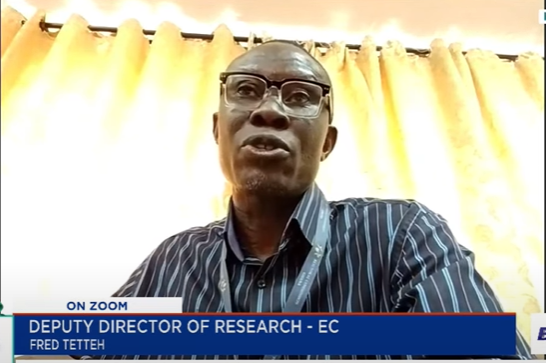
The 2024 Ghanaian general elections witnessed several instances of disruption and irregularities, necessitating the re-collation of parliamentary results in a number of constituencies. Fred Tetteh, Deputy Director of Research at the Electoral Commission (EC), attributed these challenges primarily to widespread lawlessness exhibited by political parties and their supporters. He highlighted the disruptive actions of these individuals, which impeded the EC’s ability to complete the electoral process smoothly in the affected areas. This lawlessness manifested in various forms, including physical disruptions, besieging electoral officials, and preventing them from carrying out their duties. The specific constituencies requiring re-collation due to these disruptions included Nsawam Adoagyiri, Ahafo Ano South West, Ahafo Ano North, Obuasi East, Okaikwei Central, Ablekuma North, Tema Central, Techiman South, and Dome Kwabenya. These incidents underscored a concerning trend of disregard for established electoral procedures and respect for the authority of the EC.
The disruptions observed in these constituencies took various forms, ranging from outright violence and intimidation to more subtle forms of interference. In some cases, party supporters stormed collation centers, creating chaos and disrupting the counting process. In other instances, they employed tactics of intimidation, threatening electoral officials and attempting to influence the outcome of the vote. These actions not only undermined the integrity of the electoral process but also posed a significant risk to the safety and security of electoral officials and other stakeholders involved in the elections. The widespread nature of these disruptions pointed to a systemic problem of lawlessness and a lack of respect for the democratic process, demanding a comprehensive response to address the root causes and prevent future occurrences.
The EC’s inability to complete its work in the affected constituencies due to these disruptions had significant implications for the overall electoral process. The delays caused by re-collation not only prolonged the announcement of final results, creating uncertainty and tension, but also raised questions about the credibility and transparency of the elections. Moreover, the resources and time required to address these disruptions diverted the EC’s attention and resources away from other critical aspects of the electoral process. The re-collation exercises also added an additional financial burden to the already strained resources of the EC, further highlighting the cost of electoral irregularities and the importance of upholding the rule of law during elections.
Fred Tetteh’s public expression of concern over these incidents underscored the gravity of the situation. Speaking on a national television program, he emphasized the need for stricter adherence to electoral laws by all stakeholders, including political parties, candidates, and their supporters. He specifically called on political parties to take responsibility for the actions of their supporters and ensure discipline within their ranks. The EC’s call for greater adherence to electoral laws reflects the institution’s commitment to upholding the integrity of the democratic process. It also highlights the shared responsibility of all stakeholders in ensuring free, fair, and peaceful elections.
The call for stricter adherence to electoral laws also signifies the need for robust enforcement mechanisms to deter future misconduct. This includes strengthening the legal framework governing elections, increasing the capacity of law enforcement agencies to respond to electoral offences, and ensuring that perpetrators of electoral violence are held accountable for their actions. Furthermore, proactive measures, such as voter education campaigns and civic engagement initiatives, are crucial to fostering a culture of respect for the democratic process and promoting peaceful participation in elections. A comprehensive approach involving legal reforms, enhanced enforcement, and public awareness campaigns is essential to address the underlying issues contributing to electoral irregularities.
Ultimately, the incidents of lawlessness witnessed during the 2024 Ghanaian elections served as a stark reminder of the fragility of democratic institutions and the importance of upholding the rule of law. The disruptions not only undermined the integrity of the electoral process but also eroded public trust in the EC and the democratic system as a whole. Addressing these challenges requires a concerted effort from all stakeholders, including political parties, civil society organizations, and the general public, to ensure that future elections are conducted in a free, fair, and peaceful manner. The long-term health and stability of Ghana’s democracy depend on the commitment of all citizens to upholding the principles of democratic governance and respecting the rule of law.