









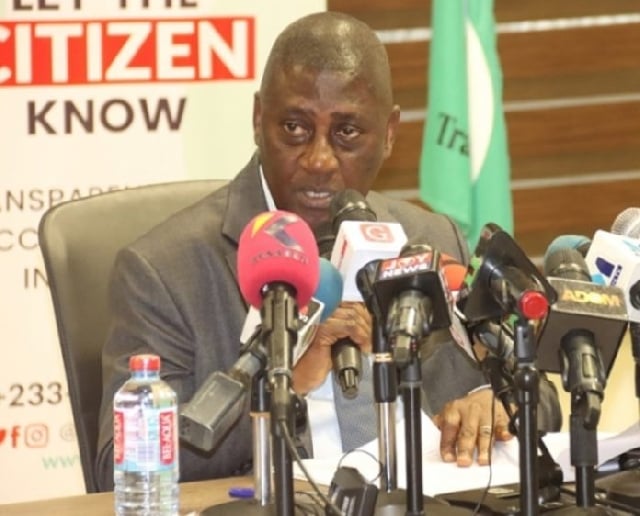
The Electoral Commission (EC) of Ghana has declared the parliamentary election results from four constituencies in the Greater Accra Region – Dome Kwabenya, Okaikwei Central, Ablekuma North, and Tema Central – as invalid due to significant irregularities during the collation process. These irregularities, according to the EC’s Deputy Chair for Operations, Samuel Tettey, contravened the established electoral procedures outlined in Constitutional Instrument (CI) 127. This announcement underscores a broader challenge faced by the EC in ensuring the integrity and transparency of the 2020 general elections, with several other constituencies also experiencing issues requiring re-collation or further investigation. The EC’s declaration highlights the vulnerability of the electoral process to interference and the importance of upholding due process to maintain public trust in the democratic system.
The invalidation of the results stems from disruptive actions by party supporters at the collation centers in the affected constituencies. Mr. Tettey described scenes of besieged collation centers where party loyalists interfered with the process, ultimately coercing electoral officers into declaring results in favor of their preferred candidates. This blatant disregard for established procedures, despite the presence of police personnel, compromised the integrity of the collation process and rendered the declared results illegitimate. The EC’s assertion that these actions violated CI 127 points to specific legal breaches committed during the disrupted collation exercises, further emphasizing the gravity of the situation and the need for accountability.
While the EC has successfully completed the re-collation of results in three other constituencies – Suhum, Akwatia, and Fanteakwa North – several others remain outstanding. Constituencies such as Ahafo Ano South West, Ahafo Ano North, Obuasi East, and Techiman South are still under scrutiny, with ongoing investigations and potential re-collation exercises pending. This backlog of unresolved electoral disputes underscores the scale of the challenges faced by the EC in ensuring a smooth and credible electoral process. The delays in finalizing these results contribute to a climate of uncertainty and raise concerns about the overall efficiency and transparency of the electoral system.
The EC’s declaration of illegality in the four Greater Accra constituencies is particularly significant due to the explicit nature of the irregularities. Mr. Tettey’s account of electoral officers facing threats and coercion paints a worrying picture of compromised independence and undermined due process. The fact that results were declared under duress, without adhering to proper collation and declaration protocols, strikes at the core of a free and fair election. This situation underscores the vulnerability of electoral officials to political pressure and the potential for such pressure to distort the will of the voters. The EC’s firm stance in declaring these results illegal sends a clear message about its commitment to upholding the integrity of the electoral process, even in the face of such challenges.
The incidents in these constituencies raise broader questions about the effectiveness of security measures at polling stations and collation centers. While police presence was noted, their inability to prevent the disruptions and protect the integrity of the collation process highlights potential weaknesses in security protocols. It also underscores the need for a more robust security strategy to safeguard the electoral process from undue influence and ensure the safety of electoral officials. A thorough review of security arrangements and protocols is essential to prevent similar incidents from occurring in future elections and to bolster public confidence in the security of the electoral process.
Moving forward, the EC faces the complex task of rectifying the situation in the affected constituencies while simultaneously addressing the outstanding issues in other areas. This will likely involve further investigations, potential re-collations, and possibly even legal challenges. The EC’s commitment to upholding CI 127 and ensuring the integrity of the electoral process will be crucial in navigating these challenges and restoring public faith in the electoral system. The ultimate goal is to ensure that the final results accurately reflect the will of the people and contribute to a peaceful and democratic transition of power. The EC’s actions in these cases will set an important precedent for future elections and contribute significantly to shaping the landscape of electoral integrity in Ghana.









