









The Mental Health Crisis in Ghana: A Struggle for Recognition and Resources
Ghana faces a significant mental health crisis, with an estimated 2.3 million people requiring care, yet only a fraction receiving it. This stark reality underscores the systemic challenges, including inadequate funding and pervasive stigma, that hinder access to essential mental health services. Organizations like EmpoweredMind Ghana, an NGO operating in the Volta Region, are working tirelessly to address these issues through advocacy, community outreach, and direct support to individuals affected by mental health conditions. Their efforts highlight the urgent need for increased resources, public awareness campaigns, and policy changes to effectively tackle this growing problem.
EmpoweredMind Ghana: A Beacon of Hope in the Volta Region
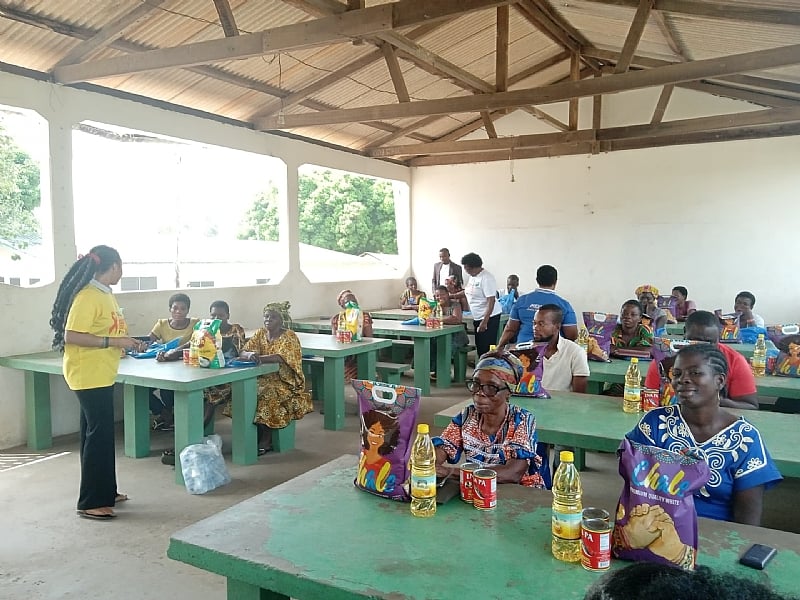
EmpoweredMind Ghana plays a crucial role in providing both material and emotional support to those struggling with mental health challenges. They offer essential supplies to individuals and their families, easing the burden of care and providing a much-needed sense of community. Recognizing the tireless efforts of caregivers, the NGO also provides them with annual gifts and supplies as a token of appreciation for their dedication and commitment. Beyond material assistance, EmpoweredMind Ghana champions awareness campaigns, dispelling misconceptions about mental health and mental illness. They emphasize that mental health is a universal concern, impacting people from all walks of life, and strive to break down the stigma that prevents individuals from seeking help.
Bridging the Gap Between Need and Access: Education and Advocacy
EmpoweredMind Ghana’s proactive approach to mental health advocacy involves educational outreach programs in schools and communities across the Volta Region. By engaging with students, community members, and key stakeholders, they aim to foster a greater understanding of mental health, promote early intervention, and encourage help-seeking behaviors. These initiatives are crucial in combating the prevailing stigma and fostering a supportive environment for those affected by mental health conditions. The organization’s future plans include expanding their reach to underserved communities, ensuring that even those in remote areas have access to vital information and support.
The Challenges Faced by Caregivers and the Need for Systemic Support
Caregivers of individuals with mental health conditions often face immense challenges, both emotional and financial. The constant need for support, coupled with the high cost of medication and limited access to resources, can be overwhelming. Victoria Agbedanu, Chairperson of EmpoweredMind Ghana and a retired mental health nurse, emphasizes the critical role caregivers play and the urgent need for more substantial support systems. She advocates for government intervention, including the implementation of National Health Insurance Scheme (NHIS) coverage for mental health medications, to alleviate the financial burden on families and ensure access to life-saving treatment.
The Promise of NHIS Coverage and the Ongoing Struggle for Access to Medication
The potential inclusion of mental health medications in the National Health Insurance Scheme (NHIS) offers a glimmer of hope for individuals struggling to afford essential treatment. While the approval of this policy is a significant step forward, its implementation remains uncertain, leaving patients and caregivers in a state of limbo. Courage Aholu-Dzage, Volta Regional Mental Health Coordinator, highlights the chronic shortage of psychotropic medications and the urgent need for swift action to make these medications accessible and affordable. The delay in implementing the NHIS coverage underscores the ongoing challenges in prioritizing mental health within the healthcare system.
A Call to Action: Supporting EmpoweredMind Ghana and the Fight for Mental Health
EmpoweredMind Ghana’s unwavering dedication to improving mental health services in Ghana requires continued support from individuals, organizations, and the government. Donations, grants, and partnerships are essential to sustain their vital work and expand their reach to more communities. By working together, we can amplify their efforts, break down the stigma surrounding mental health, and ensure that everyone has access to the care and support they deserve. The ongoing struggle for mental health recognition and resources necessitates a collective effort to create a more inclusive and supportive society for all.









