





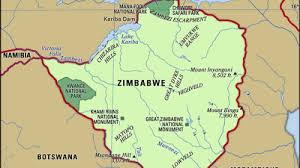
The proposed coal mining project within the vicinity of Hwange National Park in Zimbabwe has sparked significant controversy and concern due to its potential impact on the park’s fragile ecosystem and endangered species, particularly the black rhino. Hwange, Zimbabwe’s largest national park, is a critical habitat for a variety of wildlife, including a substantial population of black rhinos, a species classified as endangered by the International Union for Conservation of Nature (IUCN). The park also boasts the second-largest elephant population in Africa, further highlighting its ecological significance. The proposed mining activity, spearheaded by the Chinese firm Sunny Yi Feng, targets an area spanning over 16,000 hectares, situated alarmingly close to the Sinamatella Black Rhino Intensive Protection Zone, a dedicated sanctuary within the park aimed at preserving and bolstering the black rhino population.
The Zimbabwe Parks and Wildlife Management Authority (ZimParks), the governmental body responsible for managing the nation’s parks and wildlife, has vehemently opposed the mining project, emphasizing its detrimental consequences for the park’s biodiversity. ZimParks argues that the introduction of mining operations within this ecologically sensitive area would disrupt the delicate balance of the ecosystem, jeopardizing the survival and reproductive success of numerous species, especially the already vulnerable black rhino. The authority has explicitly urged the Ministry of Mines and Mining Development to revoke the mining permit and establish a policy preventing future mining applications within protected areas. Their concern stems from the potential for mining activities to degrade the natural habitat, pollute water sources, and increase human-wildlife conflict, all of which could contribute to the further decline of endangered species.
The black rhino population in Hwange has experienced a period of growth, representing a conservation success story. However, this progress is now under threat from the proposed mining venture. The IUCN classifies black rhinos as endangered, with only slightly over 6,400 individuals remaining worldwide. The species faces ongoing pressure from poaching, habitat loss, and human encroachment, making the protection of remaining populations paramount. The proposed mining project within close proximity to the Sinamatella Black Rhino Intensive Protection Zone raises significant concerns about the potential for disturbance and displacement of the rhinos, undermining conservation efforts and increasing the risk of localized extinction. This threat contradicts ZimParks’ commitment to restoring degraded ecosystems and protecting biodiversity, a goal aligned with international conservation targets.
Beyond the immediate threat to black rhinos, the mining project also poses risks to the wider ecosystem of Hwange National Park. The park supports a diverse range of flora and fauna, including the aforementioned large elephant population. Mining activities could contaminate water sources, impacting both wildlife and local communities who rely on these resources. The disruption of groundwater flow, a potential consequence of mining, could further exacerbate water scarcity and pose a serious threat to the park’s wildlife populations, particularly during dry seasons. The noise and dust generated by mining operations could also disrupt animal behavior and migratory patterns, leading to further ecological imbalances.
This is not the first instance of mining interests encroaching upon Hwange National Park. In 2020, a similar controversy arose regarding a mining application from another Chinese company, Tongmao Coal Company, within the park’s boundaries. The ensuing public outcry and pressure from conservation organizations prompted the Zimbabwean government to declare a ban on mining activities within nature reserves. This precedent raises questions about the current government’s stance and the apparent disregard for its own prior commitments. The approval of the Sunny Yi Feng mining project suggests a potential shift in policy or a lack of enforcement of existing regulations, raising concerns about the future of protected areas in Zimbabwe.
The current situation underscores the complex interplay between economic development, conservation, and political considerations in resource-rich countries like Zimbabwe. The government faces the challenge of balancing the potential economic benefits of mining with the imperative to protect its natural heritage and biodiversity. The international community plays a crucial role in supporting conservation efforts and holding governments accountable for their environmental commitments. The fate of Hwange National Park and its endangered inhabitants hangs in the balance, pending a decisive response from the Zimbabwean government and continued vigilance from conservation organizations and international stakeholders. The case highlights the ongoing tension between short-term economic gains and the long-term sustainability of natural resources and the biodiversity they support.








