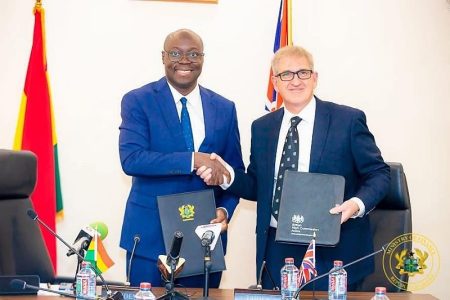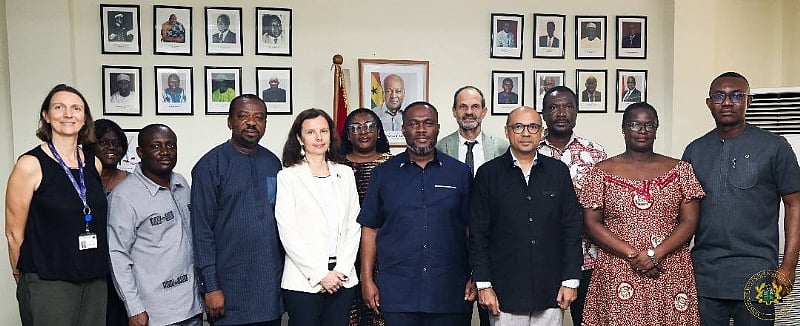
The Ghanaian government, in collaboration with the European Union (EU), is embarking on a significant initiative to enhance water infrastructure and expand access to clean water in the northern regions of the country. This partnership underscores a shared commitment to addressing critical water challenges and improving the lives of communities in this region. The Minister for Works, Housing and Water Resources, Mr. Gilbert Kenneth Agyei, formally acknowledged the EU’s support during a meeting with an EU delegation led by Ambassador Irchad Razaaly. This collaboration signals a substantial investment in the well-being of northern Ghanaian communities and promises to significantly impact their social and economic development.
The EU’s financial commitment to water supply projects in northern Ghana reinforces its ongoing support for the country’s water sector. This support has predominantly focused on improving water access in rural areas and small towns, where access to safe and reliable water sources remains a pressing concern. The specific focus on northern Ghana recognizes the distinct challenges faced by these communities, including arid and semi-arid conditions, which exacerbate water scarcity issues. This targeted approach reflects a broader strategy to prioritize equitable water access across Ghana and address regional disparities in development.
This collaborative initiative will encompass several key communities in northern Ghana, including major urban centers like Tamale and Yendi, as well as smaller towns like Sang, Savelugu, Pong-Tamale, and Diare, along with their surrounding areas. By focusing on both urban and rural populations, the project aims to comprehensively address water access challenges across the region. This comprehensive approach is crucial for regional development, as improved water infrastructure is essential for supporting various sectors, including agriculture, healthcare, and education.
The expansion of water infrastructure in these areas will not only improve access to safe drinking water but also contribute to improved sanitation and hygiene practices. Access to clean water is fundamental to public health and directly reduces the risk of waterborne diseases. This investment will lead to substantial improvements in public health outcomes, particularly for vulnerable populations such as children and the elderly. Furthermore, improved water access reduces the burden on women and girls, who often bear the responsibility of fetching water from distant sources, freeing up their time for education and economic activities.
The positive impacts of this project extend beyond immediate health benefits. Increased access to water resources can significantly improve agricultural productivity, contributing to food security and economic stability in the region. Reliable water sources support irrigation, enabling farmers to cultivate crops more effectively and enhance their livelihoods. This, in turn, can stimulate local economies and improve overall living standards. The improved water infrastructure also enhances community resilience to climate change impacts, particularly droughts, which are becoming increasingly frequent and severe in the region.
The collaboration between the Ghanaian government and the EU signifies a strategic partnership focused on sustainable development in northern Ghana. By investing in critical water infrastructure, this initiative addresses a fundamental need and lays the groundwork for long-term social and economic progress. The project’s comprehensive approach, encompassing both urban and rural communities, ensures a wide-reaching impact and promotes equitable access to essential resources. This joint effort underscores the crucial role of international cooperation in tackling development challenges and improving the lives of communities in need. The long-term success of this initiative will depend on ongoing collaboration, effective implementation, and community engagement to ensure sustainable water management and improved quality of life for the people of northern Ghana.