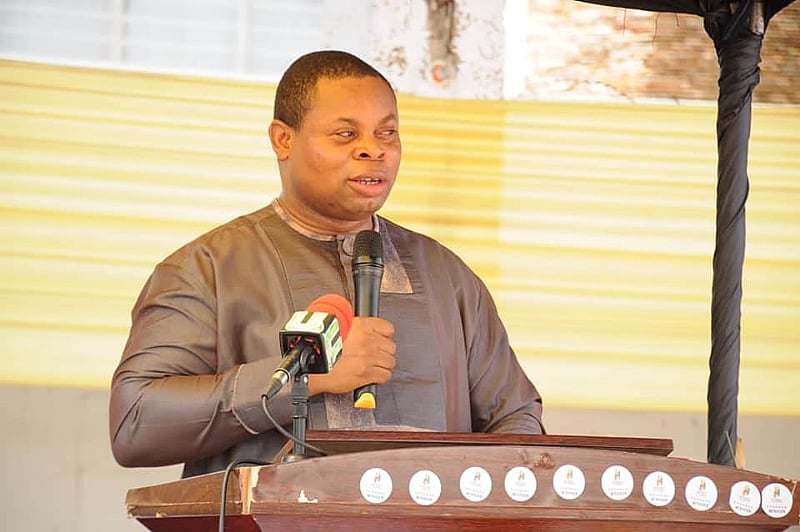
The New Patriotic Party (NPP) in Ghana is facing a period of profound introspection following its decisive defeat in the 2024 general elections. The party lost both the presidency and its parliamentary majority, a significant setback that has prompted calls for internal assessment and reform. IMANI Africa’s Founding President, Franklin Cudjoe, has publicly criticized the NPP’s proposed formation of a committee to investigate the reasons behind the electoral loss, arguing that the party’s downfall was self-evident due to a combination of laziness, corruption, arrogance, and a disconnect from the electorate.
Cudjoe’s scathing critique highlights the perceived shortcomings of the NPP’s governance and campaign strategy. He points to a perceived lack of diligence and effort, suggesting that the party became complacent and failed to adequately address the concerns of the Ghanaian people. The accusation of corruption further undermines the NPP’s image, suggesting a betrayal of public trust and a prioritization of personal gain over national interests. Cudjoe’s characterization of the party as “innately arrogant” and “rabidly tone-deaf” underscores a perceived disconnect between the NPP leadership and the electorate, suggesting an inability or unwillingness to listen to the concerns and aspirations of ordinary Ghanaians.
The electoral outcome, as declared by the Electoral Commission (EC), confirms the magnitude of the NPP’s defeat. Former President John Dramani Mahama of the National Democratic Congress (NDC) secured a convincing victory with 56.55% of the total votes cast, regaining the presidency he lost to the NPP in 2020. The NDC also gained control of the parliament, leaving the NPP with only around 80 of the 276 parliamentary seats, a significant reduction from their previous majority. This dramatic shift in the political landscape reflects a widespread dissatisfaction with the NPP’s performance and a desire for change among the Ghanaian electorate.
The NPP’s proposed committee, while intended to analyze the factors contributing to the electoral loss, has been met with skepticism, particularly from critics like Cudjoe. The argument against the committee’s utility rests on the premise that the reasons for the NPP’s defeat are readily apparent and stem from internal failings rather than external factors. The accusations of laziness, corruption, arrogance, and disconnect from the electorate paint a picture of a party that lost touch with its core values and the needs of the people it was elected to serve. These perceived failings, according to critics, are self-inflicted wounds that require immediate and decisive action rather than lengthy committee deliberations.
The challenge facing the NPP now extends beyond simply understanding the reasons for its defeat. The party must embark on a process of genuine introspection and reform to regain the trust and support of the Ghanaian people. This requires addressing the issues raised by critics, including allegations of corruption and arrogance, and demonstrating a renewed commitment to serving the interests of the nation. The NPP must also reassess its political strategy and messaging to connect more effectively with the electorate and address the concerns that led to their resounding defeat.
The 2024 election results serve as a stark reminder of the importance of accountability and responsiveness in democratic governance. The NPP’s loss underscores the consequences of failing to address the needs and aspirations of the people, and the power of the electorate to hold their leaders accountable. The road to recovery for the NPP will be long and arduous, requiring a fundamental shift in its approach to governance and a renewed commitment to serving the interests of all Ghanaians. The party must move beyond simply analyzing the reasons for its defeat and embrace meaningful change to regain the trust and confidence of the electorate.