









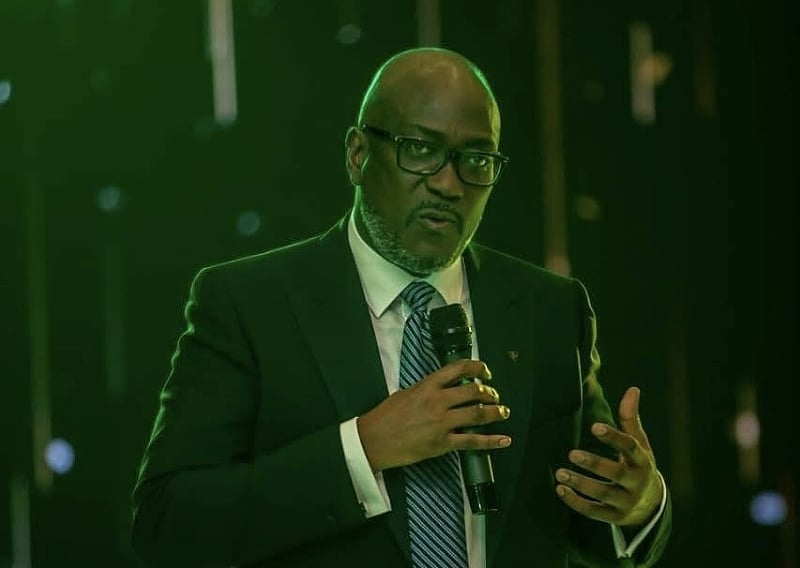
Professor H. Kwasi Prempeh, Chairman of the Constitutional Review Committee, has ignited a crucial debate concerning the presidential role in the removal process of heads of independent institutions in Ghana. He argues that the current constitutional framework, specifically Article 146 of the 1992 Constitution, grants excessive power to the President, thereby potentially jeopardizing the fairness and independence of the removal proceedings. Professor Prempeh advocates for a more streamlined presidential involvement, limiting it to the implementation of the final decision reached by an independent removal committee. This stance stems from the principle that the process should not only be fair but also be perceived as such, fostering public trust and confidence in the integrity of independent institutions. His comments were prompted by President John Dramani Mahama’s suspension of Chief Justice Gertrude Esaaba Torkonoo pending the outcome of a committee inquiry into petitions seeking her removal. This case highlights the very concerns Professor Prempeh raises, underscoring the need for a more robust and transparent system for handling such sensitive matters.
Professor Prempeh’s critique focuses on the potential for political influence inherent in the current system. By vesting significant authority in the President, the process becomes vulnerable to partisan interests, undermining the very independence the institutions are designed to uphold. He emphasizes the need for a truly independent and politically inclusive structure for the removal committee, suggesting a shift away from presidential appointments towards a more neutral and diverse selection process for the non-lawyer members. This would ensure a broader representation of perspectives and mitigate the risk of political bias influencing the outcome of the proceedings. The selection of non-lawyer members by a more neutral entity, rather than by the President in consultation with the Council of State, would enhance the credibility of the removal process and foster public trust in its impartiality.
Addressing the specific case of the Chief Justice, Professor Prempeh highlights the potential for conflicts of interest when sitting judges, especially from the Supreme Court, are part of the inquiry committee. He argues that their inclusion could create a perception of bias, given the hierarchical structure of the judiciary and the potential influence the Chief Justice holds over their careers. To maintain the integrity of the process and avoid any appearance of impropriety, he recommends excluding sitting judges from committees investigating removal petitions against the Chief Justice. This measure would reinforce the independence of the judiciary and ensure that the process is free from internal pressures or perceived conflicts.
The call for greater transparency in these proceedings forms a crucial aspect of Professor Prempeh’s argument. He emphasizes the public’s right to be informed about the reasons underlying the success or failure of removal petitions. Transparency, he contends, is essential for accountability and fosters public confidence in the fairness and impartiality of the process. Without clear and accessible information regarding the grounds for decisions, the public may harbor suspicions about the motives behind the removal or retention of officials, potentially eroding trust in the integrity of the institutions themselves.
Professor Prempeh’s recommendations aim to establish a more robust and transparent system for the removal of heads of independent institutions. By limiting presidential involvement to the implementation of final decisions, enhancing the diversity and neutrality of the removal committee, and excluding sitting judges in cases involving the Chief Justice, he seeks to safeguard the independence of these crucial bodies. Furthermore, his emphasis on transparency ensures that the public is adequately informed about the proceedings, promoting accountability and fostering public trust.
In conclusion, Professor Prempeh’s critique of the existing constitutional framework and his proposed reforms are a timely contribution to the ongoing discourse on strengthening Ghana’s democratic institutions. His recommendations offer a pathway towards a more independent, transparent, and accountable process for the removal of heads of independent institutions, ultimately reinforcing the rule of law and enhancing public trust in the governance of the country. By implementing these reforms, Ghana can take significant strides towards consolidating its democratic gains and ensuring the long-term integrity and independence of its vital institutions.









