





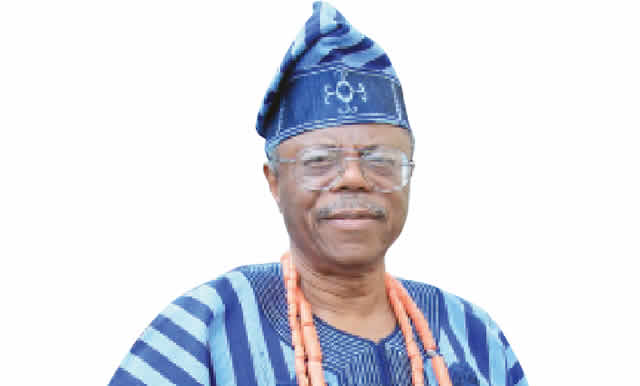
Renowned historian Prof. Toyin Falola has recently unveiled the African Ancestral Studies programme at the University of Ghana, aiming to correct historical distortions and present a more accurate representation of Africa’s rich intellectual heritage. This initiative was launched during the 2024 Anton Wilhelm lecture, held at the Merian Institute for Advanced Studies in Africa. Falola’s announcement sparked significant interest as it responds to the prevailing Eurocentric narratives that have often overlooked or mischaracterized Africa’s substantial contributions to various fields, particularly in understanding its history and culture from indigenous perspectives.
Prof. Falola emphasized the necessity for Africans to reclaim and articulate their stories. He pointed out that mainstream historical and anthropological perspectives have frequently belittled Africa’s role in disciplines such as mathematics, astronomy, medicine, and governance. The new programme is envisioned as a platform that empowers students to view the world through an African lens, nurturing a sense of pride in the continent’s intellectual accomplishments. This shift is crucial, as it aims to provide students with the tools to engage deeply with Africa’s spiritual and intellectual traditions, focusing on indigenous knowledge systems and the ethical values that have long been integral to African societies.
One of the significant aspects of the African Ancestral Studies programme is its interdisciplinary approach. Falola noted that the programme does not merely treat history as a linear sequence of events but integrates African epistemologies, making culture, ethics, and spirituality as critical components of understanding African societies. This holistic perspective encourages a broader exploration of African life, where cosmological beliefs and ethical practices are as vital as political dynamics or economic factors. In doing so, the programme aims to reshape how African history and culture are studied and taught, making room for diverse narratives and insights.
In addition to addressing historical misconceptions, Falola pointed out the programme’s goal of situating Africa’s intellectual heritage within a global context. He emphasized the importance of examining how African traditions and practices have been preserved and evolved by people of African descent worldwide. This global perspective aims to broaden students’ appreciation of African influences and contributions, fostering a more interconnected understanding of cultural exchanges across borders and histories. The programme is seen as a crucial response to the need for Africans to be at the forefront of narrating their historical and cultural experiences.
A notable feature of the African Ancestral Studies programme is its incorporation of African spirituality into academic study. Falola argued that African cosmologies, spiritual practices, and rites of passage provide valuable insights into how societies in Africa understand the universe and their existence within it. By challenging the secular frameworks predominantly found in modern academia, the programme seeks to offer a richer and more nuanced portrayal of African societies, where spirituality is not a separate entity but an essential aspect of intellectual life and societal structures. This innovative approach not only enhances the academic discourse surrounding African heritage but also reinforces the understanding that knowledge in African cultures is profoundly intertwined with spiritual and ethical dimensions.
Ultimately, Prof. Toyin Falola’s African Ancestral Studies programme represents a significant milestone in the study of African history and culture. By prioritizing indigenous knowledge systems and promoting a comprehensive understanding of Africa’s contributions to global intellectual landscapes, this initiative has the potential to empower a new generation of scholars. It invites students to engage with Africa’s diverse spiritual and intellectual traditions while fostering a sense of pride in their rich heritage. Through this academic initiative, the gaps created by Eurocentric narratives may begin to close, paving the way for a more inclusive and accurate representation of Africa’s past and present contributions to the world.








