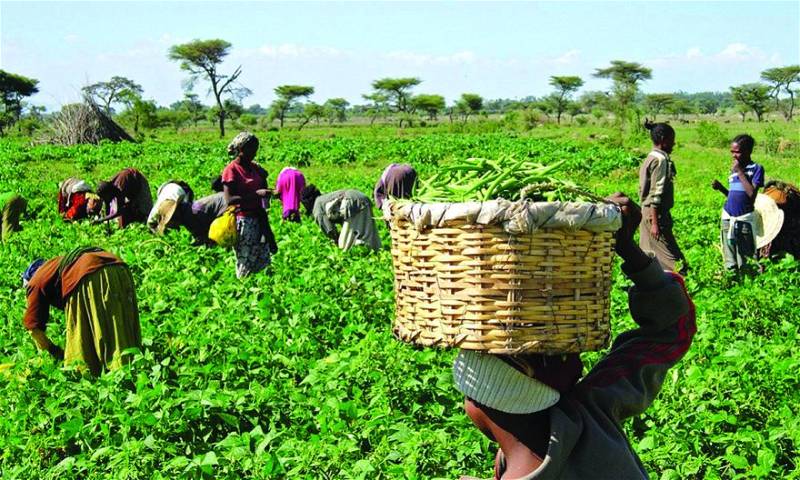
The Nigerian government has embarked on a campaign to promote dry-season farming as a key strategy to combat escalating food insecurity and transition from reliance on rain-fed agriculture to year-round food production. Several high-ranking officials, including the Ministers of Agriculture, Water Resources and Sanitation, and State for Agriculture and Food Security, have publicly affirmed the government’s commitment to this initiative. They have highlighted projects such as the Middle Ogun Irrigation Project in Oyo State, partnerships with the National Agricultural Growth Scheme, and a significant loan secured from the African Development Bank to bolster seed and grain production. The government has also declared a food production emergency, underscoring the gravity of the situation and its resolve to ensure affordable access to nutritious food for all Nigerians. These pronouncements and initiatives aim to address the looming food crisis and transform the agricultural sector into a more resilient and productive engine of the economy.
Despite these pronouncements and apparent investments, significant skepticism pervades the farming community. Farmers across the country have expressed concerns about the implementation and reach of these government interventions. Many perceive the initiatives as selective, benefiting primarily those with connections and leaving a vast majority of farmers, particularly smallholders, excluded. This perception of inequitable distribution of resources and information fuels distrust and discourages wider participation in dry-season farming. Farmers have also pointed to the persistent challenges of high costs associated with irrigation farming, limited access to necessary infrastructure, and a lack of consistent support from the government. These concerns, coupled with the historical pattern of unmet promises, contribute to a sense of disillusionment and hinder the effectiveness of the government’s efforts to promote sustainable agricultural practices.
Experts in agriculture and economics have echoed the farmers’ concerns, highlighting systemic issues that hinder the effective implementation of dry-season farming initiatives. They emphasize the urgent need for a structural shift from rain-fed agriculture to a more reliable and sustainable irrigation-based system. The over-reliance on rain-fed agriculture, coupled with recent droughts, has exacerbated food insecurity, leading to significant price hikes and reduced availability of essential food items. Experts argue that proper irrigation would empower farmers to cultivate crops year-round, stabilizing prices and ensuring greater accessibility to food. However, they acknowledge the financial constraints faced by small-scale farmers, who often lack the capital to invest in irrigation systems. The government, they contend, must prioritize investment in irrigation infrastructure to enable wider adoption of this crucial technology.
Furthermore, experts caution against the practice of food hoarding, which disrupts supply chains and artificially inflates prices, further exacerbating food insecurity, particularly for vulnerable households. They advocate for stronger regulatory mechanisms to curb hoarding and call for the implementation of social safety nets to protect those most affected by rising food costs. The delayed provision of promised irrigation facilities is another significant concern raised by experts. This delay, they argue, leads to wasted resources for farmers who prepare their land and invest in equipment in anticipation of government support that often fails to materialize. Such unmet promises not only demoralize farmers but also contribute to wasted investments and perpetuate the cycle of food insecurity.
The consequences of inaction or ineffective intervention are dire. Experts warn that the escalating food insecurity crisis could have far-reaching implications, including widespread malnutrition, increased crime rates, and social unrest. Projections from organizations like Cadre Harmonisé paint a grim picture, with estimates suggesting that over 130 million Nigerians could face a hunger crisis by 2025. The National Bureau of Statistics also reports a sharp increase in food inflation, further compounding the challenges faced by ordinary Nigerians. These alarming statistics underscore the urgency of addressing the root causes of food insecurity and implementing effective strategies to ensure food availability and affordability for all.
Ultimately, the success of Nigeria’s efforts to combat food insecurity and transition towards sustainable agriculture hinges on the government’s commitment to fulfilling its promises and addressing the legitimate concerns raised by farmers and experts. This requires a multi-pronged approach that prioritizes investment in irrigation infrastructure, ensures equitable access to resources and information, strengthens regulatory mechanisms to curb harmful practices like food hoarding, and provides support and incentives for smallholder farmers. The government must also recognize the vital role of farmers and engage them as active partners in this crucial endeavor. Without timely, inclusive, and well-executed interventions, Nigeria risks a deepening food crisis with potentially devastating consequences for its citizens and its future.