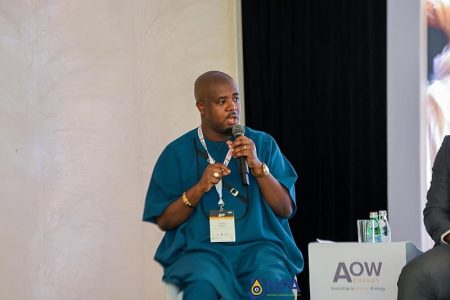
Babatunde Fashola, former Minister of Works and Housing, delivered a potent message on inclusive leadership at the Lateef Jakande Leadership Academy 2025 Lagos Leadership Summit. He argued that true inclusion transcends mere appointments and employment quotas. It demands the creation of systems that genuinely empower individuals and communities, affording them opportunities to thrive. Fashola emphasized the importance of serving the most vulnerable members of society, citing laws like the Child’s Rights Act and the Discrimination Against Persons with Disabilities (Prohibition) Act as crucial steps toward a more inclusive Nigeria. However, he stressed that these laws are meaningless without effective implementation, using the practical example of ensuring accessibility for people with disabilities in buildings. He challenged leaders and citizens to examine their personal choices and biases, urging them to diversify their inner circles to reflect the broader society they serve. Fashola concluded by highlighting the significance of visibility and consultation, advocating for increased engagement with communities through town halls and stakeholder meetings. True inclusion, he asserted, is about demonstrable effort to leave no one behind.
Fashola’s call for a deeper commitment to inclusion was echoed by Lagos State Governor Babajide Sanwo-Olu, who defined leadership as a legacy of service rather than a pursuit of power or personal gain. He emphasized the importance of making decisions that benefit all members of society, even those who may not be directly involved in the decision-making process. Reflecting on his personal journey, Sanwo-Olu shared how early setbacks, including not being reappointed to a desired role, served as redirection and fueled his personal and professional growth. He underscored the importance of continuous learning, adaptability, and embracing humility and resilience as key attributes of effective leadership. Sanwo-Olu also highlighted the value of mentorship and collaboration, stressing that strong leaders build teams of excellence rather than hoarding power and influence.
Sanwo-Olu’s administration has prioritized youth-focused initiatives, such as the Lagos State Science, Research and Innovation Council, creative and tech grant programs, and the Lateef Jakande Leadership Academy, demonstrating a commitment to empowering the next generation of leaders. He further unveiled plans to expand the Lagos Creative Season, aiming to boost tourism and youth engagement. Reflecting on the challenges posed by the COVID-19 pandemic and the #EndSARS movement, Sanwo-Olu affirmed his commitment to completing his term with renewed vigor and smarter governance. He emphasized that leadership is a privilege that must be earned and exercised for the greater good of society, a sentiment particularly relevant in a climate of growing public distrust towards officials.
Fashola’s emphasis on practical inclusion, extending beyond symbolic representation to tangible empowerment, provides a framework for building a society where everyone has the opportunity to thrive. His challenge to individuals and leaders to scrutinize their personal choices and biases is a crucial step towards dismantling systemic inequalities. Sanwo-Olu’s focus on youth empowerment, mentorship, and collaborative leadership complements Fashola’s vision, highlighting the importance of investing in the next generation and building strong, diverse teams to navigate the complex challenges facing society. Both leaders emphasize the critical role of service, resilience, and adaptability in effective leadership, particularly in the face of adversity.
The convergence of these two perspectives underscores the urgent need for a paradigm shift in leadership, moving away from self-serving agendas towards a genuine commitment to service and inclusivity. This shift requires not just policy changes but a fundamental change in mindset, where leaders prioritize the needs of the most vulnerable and actively work to create a society where everyone feels seen, heard, and valued. The emphasis on mentorship and collaboration further highlights the importance of fostering a culture of shared leadership, empowering individuals at all levels to contribute to the collective good.
In conclusion, the insights shared by Fashola and Sanwo-Olu at the Lateef Jakande Leadership Academy summit offer a compelling vision for transformative leadership in the 21st century. Their emphasis on inclusive practices, genuine service, and youth empowerment provides a roadmap for building more equitable and resilient societies. The challenge now lies in translating these words into action, fostering a new generation of leaders who prioritize the collective good and work tirelessly to create a world where everyone has the opportunity to reach their full potential. The emphasis on continuous learning, adaptation, and resilience further reinforces the need for leaders to be agile and responsive in a constantly evolving world, constantly seeking new knowledge and perspectives to inform their decisions.