









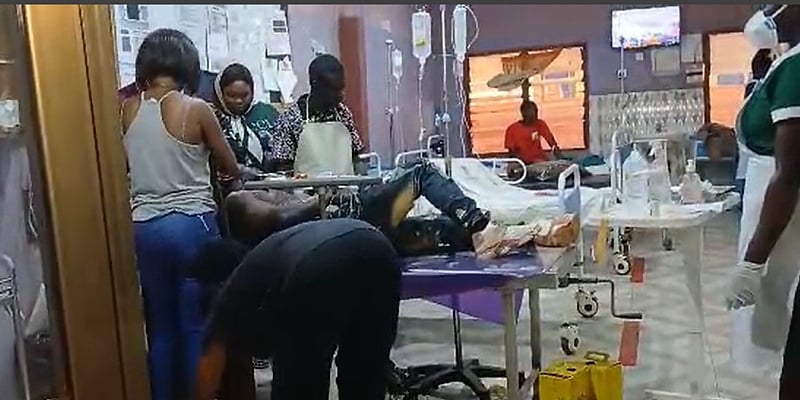
The tranquil communities of Mpasaaso No. 1 and No. 2 in the Ahafo Ano South-West District of Ghana’s Ashanti Region have been shattered by a surge of violence, culminating in a tragic death and a critical injury. On July 18, 2025, a young man was killed and a pregnant woman gravely wounded in a violent incident linked to a protracted feud between two youth groups. This escalating conflict, which has spanned over a year, has plunged the communities into a state of fear and insecurity, disrupting daily life and livelihoods. Residents are now pleading for urgent intervention from law enforcement and regional authorities to quell the violence and restore peace.
The precise root cause of the animosity between the two youth groups remains unclear, shrouded in a mix of speculation and rumor. However, the impact of their ongoing clashes is undeniable and devastating. Residents report a pervasive climate of fear, with farmers abandoning their fields and students too afraid to attend school. The social fabric of the community has been torn, replaced by anxiety and uncertainty. The incident on July 18th tragically underscores the escalating danger, transforming a simmering conflict into a deadly reality.
The communities’ desperate pleas for help have seemingly gone unanswered, fueling frustration and a growing sense of abandonment. Residents claim to have repeatedly reported the escalating violence to the authorities, yet no concrete action has been taken. This perceived inaction has eroded trust in law enforcement and left the communities feeling vulnerable and unprotected. The lack of arrests, despite persistent reports, further emboldens the warring factions, creating a vicious cycle of violence.
The youth leader, Kojo Asare, has become a vocal advocate for his community, urging immediate intervention from the District Chief Executive, Abubakar Saddick, and higher authorities. He paints a grim picture of daily life under the shadow of this conflict, with residents increasingly fearful for their safety and livelihoods. The inability to farm or attend school has dire consequences for the economic and educational well-being of the communities, threatening long-term stability and prosperity.
As the violence continues unchecked, residents warn of resorting to self-protection if the authorities fail to act swiftly. This desperate declaration highlights the gravity of the situation and the erosion of faith in the established systems of law and order. The threat of vigilante action underscores the urgent need for intervention to prevent further bloodshed and chaos. A proactive response from regional and national authorities is crucial to restore order, protect innocent lives, and prevent the situation from spiraling into further violence.
The call for help emanating from Mpasaaso No. 1 and No. 2 represents a critical test for the Ashanti Regional Security Council (REGSEC) and the Inspector General of Police. Their response will determine not only the immediate safety of these communities but also send a broader message about the government’s commitment to maintaining peace and security throughout the region. The tragic events of July 18th must serve as a catalyst for decisive action, ensuring that these communities are no longer left to fend for themselves against the escalating tide of violence.









