









The 2025 proposed budget allocates N2.1 billion for the posting and repatriation of Nigerian ambassadors and other diplomatic officers, reflecting the financial commitment required for personnel transitions within the foreign service. This encompasses travel expenses, relocation allowances, and other associated costs involved in deploying and returning diplomats from their assigned posts. This allocation is crucial for ensuring the smooth transition of diplomatic staff and maintaining Nigeria’s presence abroad. The significant financial investment underlines the importance the government places on maintaining a robust diplomatic corps capable of representing Nigeria’s interests on the global stage.
A substantially larger allocation of N53 billion has been earmarked for the renovation of 103 foreign missions worldwide. This extensive renovation project aims to upgrade and modernize various aspects of Nigeria’s diplomatic infrastructure. The earmarked funds will cover essential improvements to chanceries (embassy offices), staff quarters, ambassadorial residences, office furniture, and official vehicles. This investment seeks to enhance the functionality and image of Nigerian missions abroad, providing suitable working and living conditions for diplomatic staff while projecting a positive image of Nigeria to the international community. The scale of this investment underscores the government’s commitment to maintaining a respectable and effective diplomatic presence globally.
The proposed budget provides specific allocations for individual missions, illustrating the varying needs and priorities across different locations. Examples include N554 million for Abidjan, N812 million for Banjul, N555 million for Brazzaville, and various other amounts for missions across the globe. These specific allocations demonstrate a nuanced approach to funding, acknowledging the diverse operational costs associated with maintaining diplomatic presence in various countries. Factors influencing these allocations likely include the size and scope of the mission, local economic conditions, and the specific needs of each facility.
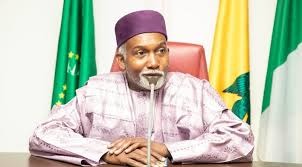
President Bola Tinubu’s recall of 83 ambassadors in September 2023 initiated a process of reassessing Nigeria’s foreign policy and diplomatic representation. This recall signaled a shift in approach and the intention to re-evaluate the effectiveness of existing diplomatic strategies. The subsequent delays in appointing new envoys highlight the financial constraints impacting the Ministry of Foreign Affairs. Foreign Minister Yusuf Tuggar has openly acknowledged these funding challenges, emphasizing the impracticality of deploying ambassadors without adequate resources for travel, operational expenses, and the effective functioning of their missions.
The appointment of new ambassadors involves a complex process incorporating career diplomats and political appointees. This requires thorough vetting procedures, including security checks and approval from the National Assembly. Presidential Special Adviser on Information and Strategy, Bayo Onanuga, highlighted the multi-stage nature of this process, involving both the Ministry of Foreign Affairs and a consolidated list that undergoes further scrutiny. This highlights the importance placed on selecting qualified and suitable individuals to represent Nigeria’s interests abroad.
The prolonged absence of substantive heads in Nigerian missions has raised concerns among retired diplomats. They emphasize the critical role of functioning embassies in maintaining diplomatic relations and representing national interests. Former Consul to Cameroon, Rasheed Akinkuolie, and retired Ambassador to Mexico, Ogbole Amedu-Ode, both cautioned against the negative implications of extended vacancies in ambassadorial positions. They argue that prolonged absences can damage Nigeria’s international reputation and hinder its ability to effectively engage in diplomatic activities. This underscores the urgency of addressing the funding challenges within the Ministry of Foreign Affairs to ensure the timely appointment and deployment of ambassadors to vacant posts.









