









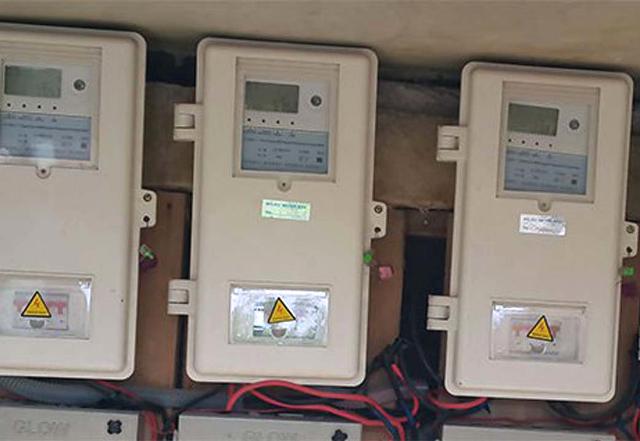
The Nigerian government has embarked on an ambitious initiative, the Presidential Metering Initiative (PMI), to address the pervasive issue of estimated billing and metering gaps within the Nigerian Electricity Supply Industry (NESI). This initiative aims to ensure that a significant portion of electricity consumers, currently reliant on estimated billing practices, are equipped with prepaid meters. With a target of distributing two million meters annually, the PMI represents a substantial financial commitment, with N700 billion earmarked for its implementation. This funding is being systematically deducted from the Federation Account Allocation Committee (FAAC) revenue, a pool of funds shared among the federal, state, and local governments, underscoring the government’s prioritization of this program.
The PMI’s genesis stems from the recognition that the existing metering gap, estimated at 50%, significantly hinders the financial viability of the NESI and contributes to consumer dissatisfaction. Estimated billing, often perceived as unfair and inaccurate, discourages prompt payment for electricity consumed. This, in turn, creates a revenue shortfall for Distribution Companies (DisCos), impeding their ability to invest in infrastructure upgrades and improve service delivery. The PMI, by promoting accurate metering and billing, aims to establish a more transparent and equitable system, fostering trust between consumers and DisCos. This increased transparency is expected to unlock significant revenue currently trapped within the system due to the prevalence of unmetered customers.
The N700 billion allocated to the PMI is being drawn down incrementally. Initial deductions from the FAAC revenue, commencing in April 2024 with N120 billion, have accumulated to N420 billion by August 2024, with a monthly deduction rate of N100 billion. This phased approach ensures a consistent flow of funds towards meter procurement and distribution. In addition to the FAAC deductions, the government has pledged an initial seed capital of N75 billion, demonstrating its commitment to kickstarting the initiative. The Nigerian Sovereign Investment Authority (NSIA) has also pledged substantial annual contributions of N250 billion, further solidifying the financial backing of the PMI. Moreover, the government intends to explore debt financing options from various financial institutions to supplement the available resources.
The PMI is not the only metering program underway. The World Bank’s Distribution Sector Reform Programme (DSRP) complements the PMI, aiming to provide 3.2 million meters. The government has committed to delivering 1.3 million of these meters by the end of 2024, further accelerating the progress towards closing the metering gap. The synergy between the PMI and the DSRP demonstrates a multi-pronged approach to tackling the metering challenge, leveraging both domestic and international resources. Both initiatives are crucial steps towards creating a more robust and sustainable power sector.
The PMI’s execution involves collaboration between the government, DisCos, and the Nigerian Electricity Regulatory Commission (NERC). NERC has approved N21 billion for the 11 DisCos to facilitate the procurement and distribution of meters to end-users at no cost. This zero-cost provision aims to ensure equitable access to meters, particularly for vulnerable consumers who may not be able to afford the upfront costs associated with meter acquisition. The involvement of DisCos in the distribution process ensures that meters reach consumers efficiently and that the benefits of accurate metering are realized throughout the electricity supply chain.
The anticipated impact of the PMI is multifaceted. Beyond addressing the immediate challenge of estimated billing, the initiative is projected to unlock approximately N1 trillion in revenue currently tied up in the NESI. This substantial injection of funds will strengthen the financial position of DisCos, enabling them to invest in critical infrastructure upgrades, improve service delivery, and reduce technical losses. Improved revenue collection will also enhance the overall financial viability of the NESI, attracting further investment and driving sector growth. For consumers, the PMI promises greater transparency in billing, fostering trust and encouraging timely payment for electricity consumed. The resulting improvements in service reliability and customer satisfaction will contribute to a more stable and efficient power sector, ultimately benefiting the Nigerian economy as a whole.









