Paragraph 1: Approval of Funding for Siemens Project Phase I
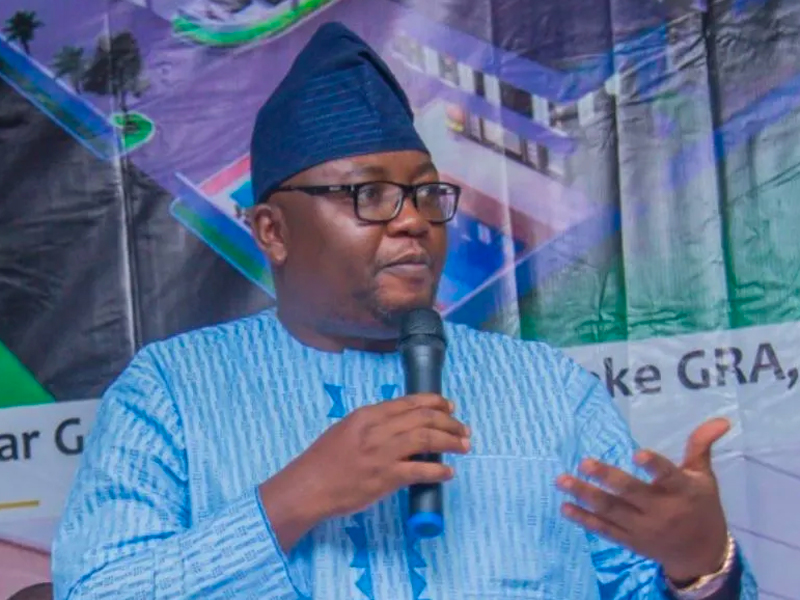
The Nigerian Federal Executive Council (FEC) has approved a substantial sum of N262.75 billion (equivalent to €161.33 million) for the initial phase of the Presidential Power Initiative (PPI), also referred to as the Siemens Project. This project aims to significantly bolster Nigeria’s power infrastructure through the construction and upgrade of vital substations. The Minister of Power, Mr. Adebayo Adelabu, announced this development following a FEC meeting held at the Aso Rock Villa in Abuja. This approval follows the successful near-completion of the project’s pilot phase, marking a significant step forward in addressing Nigeria’s chronic power challenges.
Paragraph 2: Project Details and Background
The Siemens Project is a collaborative effort between the Nigerian and German governments, formalized in December 2023 with the goal of adding 12,000 megawatts to the national grid. The agreement was signed by President Bola Tinubu and German Chancellor Olaf Scholz during the COP28 summit in Dubai. Although the recent agreement solidifies the commitment, the project’s roots trace back to 2018 during the tenure of former President Muhammadu Buhari. Phase I of the Siemens Project focuses on upgrading existing substations (brownfield) and constructing new ones (greenfield) to enhance the transmission network. This first batch of Phase I targets five key substations: Onitsha, Offa, Abeokuta, Ayede, and Sokoto, which are strategically located across the country to maximize impact on the grid.
Paragraph 3: Acquisition of NELMCO Office Complex
In addition to the Siemens Project funding, the FEC also approved the purchase of an office complex in Abuja for the Nigeria Electricity Liability Management Company (NELMCO) at a cost of N1.7 billion. NELMCO, established through the Electricity Power Sector Reform Act of 2005, plays a crucial role in the ongoing power sector reforms. The acquisition aims to provide a stable and cost-effective solution for NELMCO’s expanding operations, avoiding escalating rent costs and providing adequate space for its growing workforce. This purchase allows NELMCO to fulfill its expanded mandate and contribute effectively to the power sector’s revitalization.
Paragraph 4: Project Timeline and Progress
Minister Adelabu emphasized the urgency of the approvals, as the commercial terms agreed upon with Germany were nearing expiration. He also clarified the project’s phased approach, highlighting the successful pilot phase which involved importing, installing, and commissioning power transformers and mobile substations. With the pilot phase nearing completion, the groundwork is laid for the full implementation of Phase I. The Minister expressed confidence that the project would contribute significantly to grid stability and reduce the frequency of grid collapses.
Paragraph 5: Challenges and Mitigation Strategies
The Minister acknowledged the persistent challenge of grid collapses, attributing a significant portion of these incidents to vandalism targeting the aging infrastructure. While efforts are underway to address technical issues and minimize downtime after a collapse, vandalism remains a major concern. Adelabu advocated for a long-term solution involving the regionalization or even state-specific grids. This decentralized approach would insulate individual states from the impact of national grid disturbances, ensuring greater resilience and reliability in power supply.
Paragraph 6: Long-Term Vision for Power Stability
Adelabu’s vision for Nigeria’s power sector involves a multifaceted approach. The Siemens Project focuses on enhancing transmission infrastructure, while concurrent initiatives promote alternative energy sources like mini-grids and utility-scale solar power. The Minister believes that by combining national grid improvements with localized power generation, Nigeria can achieve greater energy independence and security. He expressed optimism about the support from state governors and the Nigeria Governors Forum in realizing this vision of a more robust and resilient power sector, ultimately benefiting all Nigerians.