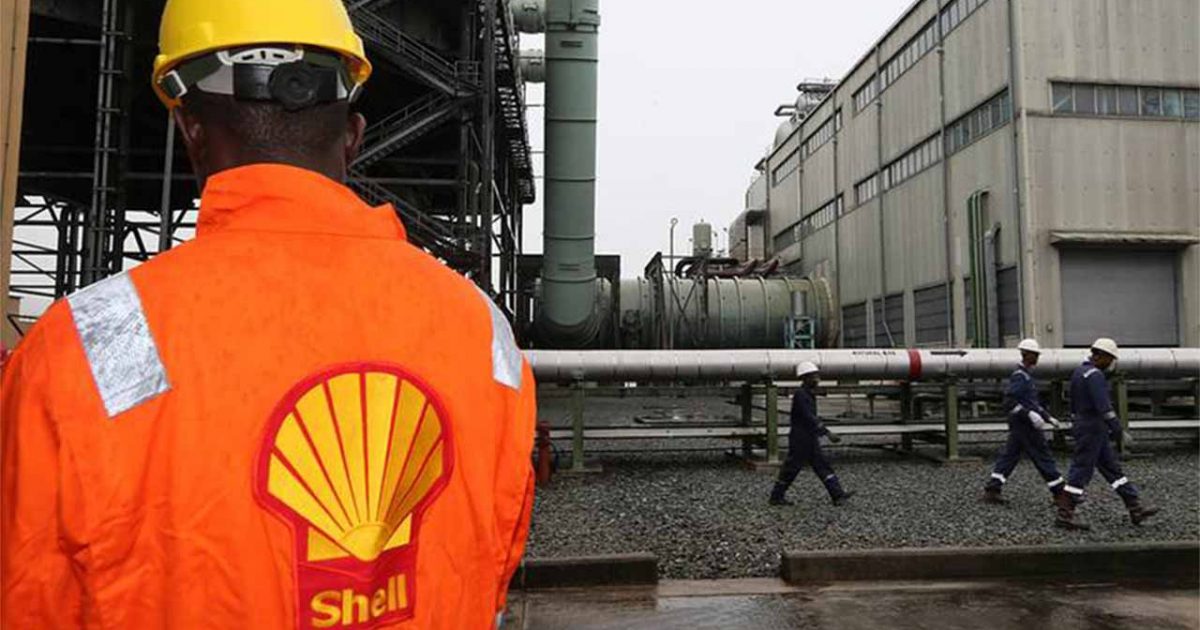
The protracted saga of Shell Petroleum Development Company’s divestment from its onshore oil assets in Nigeria has taken a significant turn with the reported ministerial consent granted to Renaissance Africa Energy Company Limited, a local oil and gas consortium. This development, announced by Renaissance in a statement, follows months of uncertainty and regulatory hurdles that initially stalled the $1.3 billion transaction first agreed upon in January 2024. The ministerial approval, allegedly given by the Minister of State for Petroleum Resources (Oil), Heineken Lokpobiri, and ultimately by President Bola Tinubu himself, who also serves as the Minister of Petroleum Resources, breathes new life into the deal that promised to transfer ownership of substantial oil and gas reserves – an estimated 6.73 billion barrels of oil and condensate, and 56.27 trillion cubic feet of gas – to Nigerian hands.
The journey to this point has been fraught with complexities. In October 2024, the Nigerian Upstream Petroleum Regulatory Commission (NUPRC) rejected the initial deal, citing its failure to meet regulatory requirements. NUPRC CEO, Gbenga Komolafe, highlighted the regulatory concerns and emphasized the need for Shell to address lingering issues related to oil spills and environmental degradation in the Niger Delta. The commission’s stance reflected a broader concern regarding Shell’s legacy of environmental damage and human rights abuses in the region, with numerous lawsuits and allegations casting a shadow over the company’s operations. NUPRC’s insistence on Shell’s accountability for past environmental damage and commitment to cleanup efforts before approving the sale signaled a firm regulatory approach.
The NUPRC’s initial rejection of the deal contrasted sharply with the government’s approval of four other divestment requests in October, further underscoring the specific challenges surrounding the Shell-Renaissance transaction. These approved divestments involved major international oil companies such as Mobil Producing Nigeria Unlimited, Equinor Nigeria Energy Company Limited, TotalEnergies EP Nigeria Limited, and the Nigerian Agip Oil Company Limited, selling assets to various Nigerian entities. The government’s willingness to approve these other transactions while holding back on the Shell deal clearly indicated that the regulatory concerns were substantial and directly linked to Shell’s environmental record.
The recent ministerial consent, however, suggests a potential resolution to these sticking points. Although official confirmation from NUPRC remains elusive, Renaissance’s statement asserts the deal has received the necessary presidential approval, marking a crucial step towards finalizing the transaction. This suggests that negotiations between Shell, Renaissance, and the Nigerian government have yielded progress, potentially addressing the environmental liabilities and paving the way for the transfer of ownership. The presidential intervention, given President Tinubu’s dual role as Minister of Petroleum Resources, likely played a decisive role in breaking the deadlock.
While the ministerial consent signifies a positive development, the intricacies of the deal remain complex. The specific terms of the agreement, particularly regarding Shell’s responsibility for environmental remediation and the allocation of funds for cleanup efforts, are yet to be publicly disclosed. The extent to which the final agreement addresses the concerns raised by NUPRC and satisfies the demands of affected communities in the Niger Delta will be crucial in determining the long-term impact of the divestment. The successful completion of the sale hinges on the satisfactory resolution of these issues and the demonstrable commitment of Shell and Renaissance to environmental responsibility.
The acquisition of Shell’s assets by Renaissance, a consortium of indigenous Nigerian oil and gas companies, holds significant implications for the Nigerian energy sector. It represents a substantial transfer of ownership to local players, potentially fostering greater Nigerian participation and control over its oil and gas resources. The deal also represents a significant financial investment in the Nigerian economy and could lead to increased employment and development opportunities. However, the deal’s success will ultimately be judged not only by its economic benefits but also by its environmental and social impact on the Niger Delta region. The long-term sustainability of the transaction hinges on a robust commitment to environmental protection and community engagement, ensuring that the transfer of ownership translates into genuine benefits for the affected communities and contributes to a cleaner and more equitable energy future for Nigeria.