





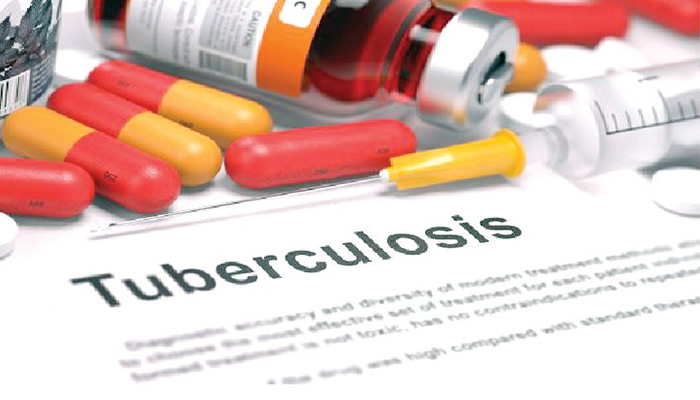
Tuberculosis (TB), a persistent and often debilitating respiratory disease, continues to pose a significant global health challenge, particularly in high-burden countries like Nigeria. Contrary to widespread misconceptions attributing the disease to spiritual forces or supernatural causes, TB is a bacterial infection caused by Mycobacterium tuberculosis. This airborne pathogen primarily affects the lungs but can also impact other organs. The Federal Government of Nigeria, in an effort to dispel these myths and encourage early detection and treatment, emphasized during a World TB Day event that TB is not only curable but that screening and treatment services are provided free of charge at government health facilities. This clarification is critical for promoting public health and reducing the stigma associated with the disease, which often prevents individuals from seeking timely medical attention.
The World TB Day commemoration, held annually on March 24th, serves as a platform to raise awareness about the disease, mobilize resources, and secure political commitment to combatting TB. The theme of the 2024 event, “Yes! We can end TB: Commit, invest, and deliver,” underscores the urgent need for concerted efforts to eradicate this preventable and curable disease. Activities such as road shows and awareness walks, like the one organized in Abuja, play a crucial role in reaching communities and educating individuals about the symptoms of TB, which include persistent cough (lasting two weeks or more), fever, unexplained weight loss, night sweats, and chest pain. Dr. Urhioke Ochuko, Deputy Director of the National Tuberculosis and Leprosy Control Programme, stressed the importance of seeking medical attention if experiencing these symptoms, highlighting the availability of free diagnosis and treatment services at government hospitals.
The urgency of tackling TB in Nigeria is underscored by the alarming statistics. The country ranks among the top 10 countries globally with a high burden of TB, reporting over 400,000 cases in 2024 alone. This significant disease burden highlights the gap between the availability of effective treatment and the accessibility of these services to the population. Several factors contribute to the persistence of TB in Nigeria, including limited public awareness, delayed diagnosis due to misconceptions and stigma, and barriers to accessing healthcare services. These challenges necessitate a multi-pronged approach involving sustained advocacy, community engagement, and enhanced access to quality healthcare services.
Babafunke Fagbemi, Executive Director of the Centre for Communication and Social Impact, echoed the need for intensified efforts to combat TB. She emphasized the importance of sustained advocacy to raise public awareness, engage communities, and improve access to healthcare services. Community engagement is essential to dispel myths and misconceptions surrounding TB and to encourage individuals to seek testing and treatment. Improving access to healthcare involves addressing infrastructural limitations, ensuring the availability of trained healthcare personnel, and providing affordable and accessible diagnostic and treatment services. These efforts are crucial to reducing the incidence of TB and achieving the global goal of eliminating the disease.
The fight against tuberculosis requires a comprehensive strategy that addresses both the medical and societal aspects of the disease. Public health campaigns must prioritize dispelling misconceptions, promoting early detection through symptom recognition and testing, and ensuring access to free treatment. Community health workers play a crucial role in reaching marginalized communities and providing essential information and support. Furthermore, addressing the socioeconomic factors that contribute to the vulnerability of certain populations to TB is vital for effective long-term control and eradication of the disease. Collaborative efforts between government agencies, healthcare providers, community organizations, and individuals are essential to achieve the shared goal of a TB-free Nigeria.
Ending TB requires a concerted and sustained commitment from all stakeholders. This includes increased investment in research and development of new diagnostic tools, treatments, and vaccines. It also necessitates strengthened health systems to ensure that these advancements reach those who need them most. Global cooperation and sharing of best practices are equally important to accelerate progress towards a world without TB. By combining scientific advancements with robust public health interventions and community engagement, we can effectively combat this ancient disease and create a healthier future for all.








