





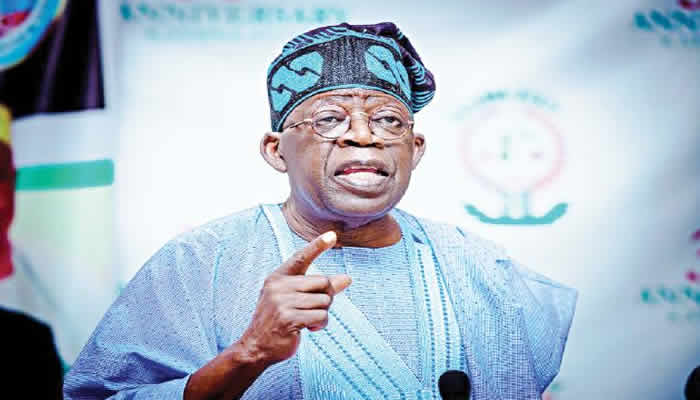
The Nigerian Federal Government’s proposed National Youth Confab, slated for February 2025, has been shrouded in financial uncertainty. Despite President Bola Tinubu’s announcement of the 30-day event in his October 1st address, a detailed examination of the 2025 budget reveals a glaring omission: no specific allocation for the confab. This raises serious questions about the government’s commitment to the initiative, which was touted as a platform to engage young Nigerians in nation-building and policy formulation. While the Federal Ministry of Youth Development received a substantial budgetary allocation of N14,968,237,306 billion, the absence of a dedicated fund for the confab casts a shadow over its feasibility and potential impact.
The Minister of Youth Development, Ayodele Olawande, has attempted to allay concerns, emphasizing a unique approach to the confab. He stated that the event will not follow the conventional format of lavish gatherings in hotels, but will instead involve three weeks of grassroots engagement followed by a one-week convergence in Abuja. This decentralized approach, while potentially cost-effective, lacks clarity regarding its logistical execution and financial underpinnings. The Minister’s assurance that the ministry has a “strategy” and that the confab “is not going to be the normal confab” offers little concrete information about the source of funding. The lack of transparency surrounding the financial arrangements fuels skepticism about the government’s preparedness for the event.
The absence of a dedicated budget for the National Youth Confab contrasts sharply with the allocation of N428,269,464 million for other youth-related initiatives. The budget includes provisions for programs such as the Commonwealth Youth Programmes (N100 million), Local Youth Exchange programme (N62 million), and the Commemoration of World Youth Skills Day (N80 million). This disparity underscores the puzzling prioritization of smaller-scale initiatives while the flagship youth confab, meant to foster national dialogue and youth participation, remains financially unanchored. The government’s apparent willingness to fund less impactful programs while neglecting the financial needs of a potentially transformative national conversation raises concerns about the sincerity of its commitment to youth engagement.
The lack of financial provision for the National Youth Confab is a significant setback for an initiative that holds immense promise for Nigeria’s future. The event, envisioned as a platform for young Nigerians to contribute to national development, requires adequate resources to ensure its success. The absence of a budget suggests a lack of planning and foresight, potentially undermining the credibility and impact of the confab. Furthermore, it risks alienating the very demographic the government claims to empower, sending a message that their voices and contributions are not valued. The government’s failure to prioritize the financial needs of the confab casts a shadow over its commitment to youth engagement and raises questions about its true intentions.
The Minister’s insistence on a “non-traditional” confab, while possibly well-intentioned, does not address the fundamental issue of funding. While cost-effectiveness is a laudable goal, it should not come at the expense of the event’s effectiveness and reach. The lack of detail about the “strategy” and the source of funding creates an atmosphere of ambiguity and raises concerns about the viability of the proposed grassroots engagement. The government’s reluctance to disclose the financial arrangements for the confab further fuels skepticism and undermines public trust in its commitment to meaningful youth engagement.
The National Youth Confab represents a crucial opportunity for Nigeria to harness the potential of its young population. However, the lack of financial provision threatens to derail this important initiative. The government must prioritize the allocation of adequate resources to ensure the confab’s success, demonstrating its genuine commitment to youth engagement and nation-building. Transparency in financial planning and execution is essential to build public trust and ensure the meaningful participation of young Nigerians in shaping the country’s future. The government’s current approach, characterized by financial ambiguity and a lack of clear planning, risks undermining the potential of the confab and sending a detrimental message to the youth of Nigeria.








