





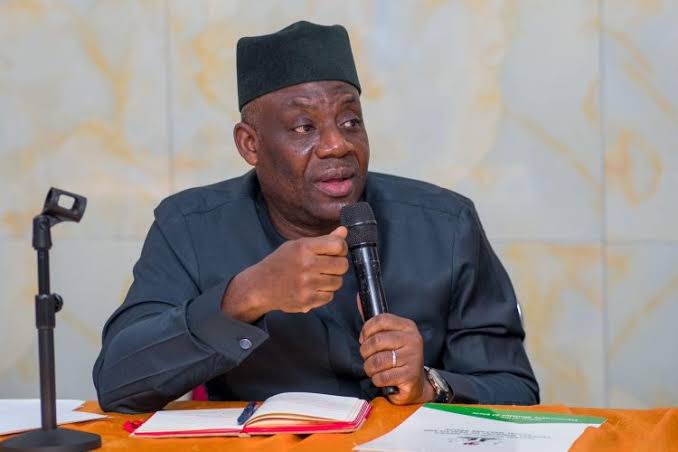
Paragraph 1: The escalating problem of bullying in Nigerian primary and secondary schools has prompted the Federal Ministry of Education to take decisive action. Minister of Education, Dr. Maruf Alausa, announced the development of a whistleblower platform during a press briefing in Abuja. This platform will enable students and others to report incidents of bullying anonymously, aiming to address the pervasive nature of this issue, which often goes unreported due to fear of reprisal. The initiative comes in response to rising public concern and several high-profile cases that have highlighted the devastating consequences of bullying.
Paragraph 2: Dr. Alausa expressed deep concern about the detrimental effects of bullying, violence, and other harmful behaviors on students. He emphasized the link between these issues and declining academic performance, mental health challenges, and increased dropout rates. The minister also highlighted the erosion of moral values within the school environment as a direct consequence of unchecked bullying and violence. The ministry recognizes that addressing this multifaceted problem requires a comprehensive approach involving all stakeholders, including students, parents, teachers, school administrators, and law enforcement.
Paragraph 3: Recent cases of bullying, some with tragic outcomes, have underscored the urgency of the situation. The death of Sylvester Oromoni, a student at a Lagos private school, allegedly due to bullying, brought the issue into sharp national focus. The subsequent suspension of 13 students from the Federal Government College, Enugu, for bullying further highlighted the prevalence of the problem across different types of schools, including both private and public institutions. These incidents, along with countless others that may not have reached national headlines, have spurred the ministry to strengthen its efforts to combat bullying and create safer learning environments.
Paragraph 4: The whistleblower platform is the latest in a series of initiatives launched by the Ministry of Education to tackle school violence. These include the National Campaign Against School Violence, an awareness program aimed at educating students, teachers, and parents about the dangers of bullying and violence. This campaign aims to foster a culture of respect and tolerance within schools, equipping individuals with the knowledge and tools to identify, prevent, and address bullying effectively. The ministry is also collaborating with the Nigeria Police Force and other security agencies to address cultism and other criminal activities within schools, recognizing the interconnectedness of these issues with the broader problem of school violence.
Paragraph 5: Beyond the whistleblower platform and the national campaign, the Ministry of Education is taking further steps to provide accessible reporting mechanisms. A dedicated helpline and online platform will be established to complement the anonymous reporting system, offering multiple avenues for students and parents to report incidents. Dr. Alausa urged parents to actively monitor their children’s behavior and mental well-being, emphasizing the importance of open communication and parental involvement in creating a supportive environment. He also called on teachers and school authorities to foster safe and inclusive environments where students feel empowered to speak out against bullying and violence. Swift action from school officials when incidents are reported is crucial in addressing the problem effectively and sending a clear message that bullying will not be tolerated.
Paragraph 6: The minister appealed to students to become active participants in the effort to eradicate bullying and violence from their schools. He encouraged them to reject bullying, violence, and cultism, and to report any incidents to trusted adults. Recognizing the influence of the media, Dr. Alausa called for its support in raising awareness about the dangers of bullying and the importance of moral education. By highlighting these issues and showcasing positive examples of student resilience and community action, the media can play a critical role in shaping public opinion and promoting positive change within schools and society as a whole. The collective effort of all stakeholders, including students, parents, teachers, school authorities, law enforcement, and the media, is essential to creating a safer and more nurturing learning environment for all Nigerian children.








