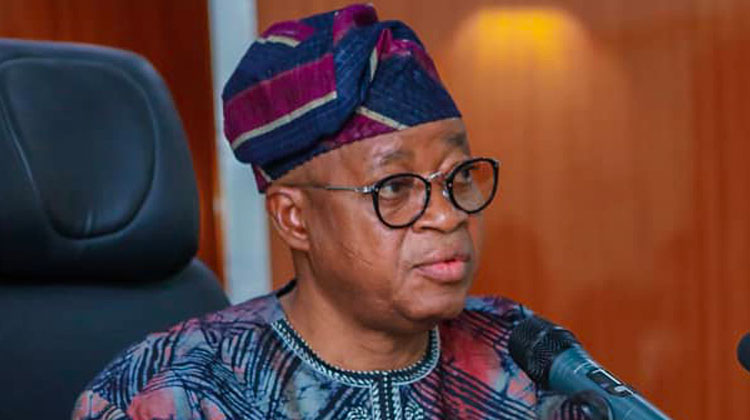
The Federal Government of Nigeria, through the Ministry of Marine and Blue Economy, has initiated efforts to seek private sector investment aimed at modernizing ports in the country. This push for modernisation is seen as a vital step toward enhancing Nigeria’s competitiveness in the global maritime landscape and securing sustainable funding for the marine sector. During a keynote speech at a stakeholders’ workshop in Lagos regarding the development of a national policy on Marine and Blue Economy, Minister Adegboyega Oyetola emphasized the need for these investments. He highlighted Nigeria’s progress in maritime governance, including the successful ratification and domestication of international maritime protocols, which have significantly improved safety and security within its waters, evidenced by a three-year period without piracy incidents.
Oyetola articulated a sense of urgency in addressing the pressing challenges facing Nigeria’s marine sector, especially the growing number of boat accidents. Through a comprehensive national policy framework, the government aims to tackle critical issues such as illegal fishing and environmental degradation, which have been detrimental to marine resources. He reiterated the government’s commitment to elevate Nigeria’s status within the blue economy sector, mentioning the country’s candidacy for a position in Category C of the International Maritime Organisation. This candidacy reflects Nigeria’s commitment to enhance its influence and dialogue concerning global maritime governance and positions the country as a proactive participant on international platforms.
Oyetola underlined that the ongoing development of the national policy must be inclusive and thorough, reflecting diverse stakeholder input. This validation workshop marks a significant milestone, emphasizing collaboration and strategic planning to guide the sustainable use of marine resources. The minister shared that the Ministry has established partnerships with key organizations such as the African Union and various stakeholders, which have resulted in foundational strategy and policy documents integral to crafting the national policy for the Marine and Blue Economy. Overall, the draft policy encompasses Nigeria’s extensive marine and blue economic resources while addressing their current state and potential growth avenues.
The draft policy, which Oyetola described as detailed and forward-looking, comprises nine sections that cover various dimensions of the marine economy. Key areas addressed in the policy include the legal and institutional framework, maritime transport and trade, fisheries and aquaculture, marine abiotic resources, as well as marine innovation and technology. Furthermore, it highlights cross-cutting issues and establishes a stakeholder implementation structure designed to facilitate actionable outcomes. The goal is to ensure that the final policy document effectively outlines strategic objectives that not only meet stakeholder requirements but resonate with global maritime standards.
During the workshop, Oyetola expressed optimism that the insights gathered from stakeholders would contribute to refining the draft policy. The overarching aim is to produce a national policy document that outlines a clear roadmap for developing Nigeria’s blue economy, focusing on economic enhancement, job creation, and promoting private sector investments. Particularly for vulnerable groups such as youth and women, this policy is envisioned to foster inclusive growth and prosperity across the nation. The emphasis on stakeholder engagement signifies a commitment to developing a balanced and effective national policy that considers practical solutions while anchoring the principles of sustainable development.
Moreover, the Permanent Secretary of the Ministry, Olufemi Oloruntola, echoed the significance of the workshop in constructing a national policy that caters to Nigeria’s unique needs. By fostering an inclusive approach, this initiative aims to review and refine the draft policy through comprehensive discussions, ensuring that the final policy not only promotes economic growth and job creation but also adheres to environmental sustainability practices. The collective insights and constructive feedback provided throughout the workshop are anticipated to guide the successful implementation of a robust marine and blue economy, ultimately positioning Nigeria as a leader in leveraging its vast marine resources for the benefit of all its citizens.