









Paragraph 1: Introduction and Vision of the Ghana Gold Board
Ghana, Africa’s leading gold producer, is taking decisive steps to maximize the economic benefits derived from its vast gold resources. Finance Minister, Dr. Cassiel Ato Forson, announced the establishment of a Technical Committee tasked with developing the legal and operational framework for the Ghana Gold Board (GoldBod). This initiative, championed by President John Dramani Mahama, aims to revolutionize the gold sector by streamlining operations, curbing illicit activities, and ensuring that Ghana receives the full value of its gold exports. The GoldBod is envisioned as a pivotal institution that will stabilize the national currency, bolster foreign exchange reserves, and drive economic growth. It represents a strategic shift towards a more structured and regulated gold sector, promising to transform the landscape of gold trading in Ghana.
Paragraph 2: Addressing the Challenges of a Fragmented Gold Sector
Ghana’s current gold sector is characterized by fragmentation and a lack of cohesive regulation. Multiple entities, including the Precious Minerals Marketing Company (PMMC), the Bank of Ghana, the Minerals Income Investment Fund (MIIF), and numerous private players, operate independently, creating loopholes exploited by illegal actors. This disorganized environment has facilitated gold smuggling, leading to substantial losses in foreign exchange revenue. Estimates suggest that the value of smuggled gold, primarily from small-scale mining, could be nearly double the officially recorded exports. This alarming statistic underscores the urgent need for a centralized and robust regulatory body like the GoldBod to bring order and transparency to the sector.
Paragraph 3: The Mandate and Functions of the Ghana Gold Board
The GoldBod is designed to function as the central authority for gold trading in Ghana. It will assume the role of the sole buyer of gold from licensed small-scale miners, ensuring compliance with international standards and guaranteeing full repatriation of foreign exchange earnings from gold exports. This will directly support the stability of the Ghanaian cedi. Furthermore, the GoldBod will hold exclusive rights to assay, refine, sell, and export gold procured from small-scale miners. This comprehensive mandate will allow for better control over the gold supply chain and prevent leakages into the black market. The GoldBod will work in close cooperation with the Minerals Commission, complementing its regulatory functions and strengthening oversight of the entire gold mining sector.
Paragraph 4: Operational Strategies and Key Initiatives of the GoldBod
To effectively execute its mandate, the GoldBod will be supported by a revolving fund, enabling it to purchase all gold produced by the small-scale mining sector. This financial mechanism will provide consistent and reliable access to capital for small-scale miners, incentivizing them to operate within the formal system. A key priority for the GoldBod is to secure accreditation from the London Bullion Market Association (LBMA). Achieving LBMA certification will enhance the international credibility and marketability of Ghanaian gold, attracting premium prices and boosting export earnings. Legislative amendments will be necessary to grant the GoldBod its exclusive mandates and empower it to effectively combat gold smuggling and black-market activities.
Paragraph 5: Formation of the Technical Committee and its Composition
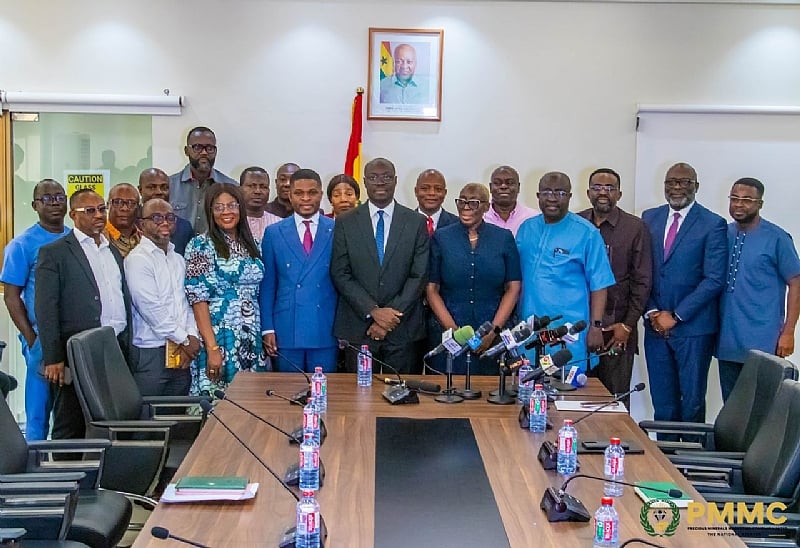
A high-level Technical Committee, composed of experts from diverse fields, has been inaugurated to develop the comprehensive legal and operational framework for the GoldBod. This committee includes representatives from key institutions such as the PMMC, Minerals Commission, Bank of Ghana, and MIIF, as well as legal professionals, mining experts, representatives from the small-scale mining sector, bullion traders, and gold trading consultants. This diverse expertise will ensure a robust and well-rounded framework that addresses the complexities of the gold sector and effectively achieves the GoldBod’s objectives. The committee’s work will be critical in shaping the future of gold trading in Ghana.
Paragraph 6: Timelines, Government Commitment, and Expectations
The Minister of Finance has emphasized the urgency of the task and called for the full cooperation of all stakeholders in supporting the Technical Committee’s work. Specific timelines for the completion of the draft Bill and operational framework were outlined, emphasizing the government’s commitment to expeditious implementation. The establishment of the GoldBod is a flagship project of the Mahama administration, reflecting its dedication to leveraging Ghana’s natural resources for sustainable economic development. The government has reiterated its commitment to transparency and sustainable resource management throughout the process. The GoldBod is expected to play a transformative role in formalizing the gold sector, curbing illegal activities, boosting foreign exchange reserves, and ultimately, revitalizing the Ghanaian economy. The success of this initiative will depend on the collaborative efforts of all stakeholders and the effective implementation of the framework developed by the Technical Committee.









