









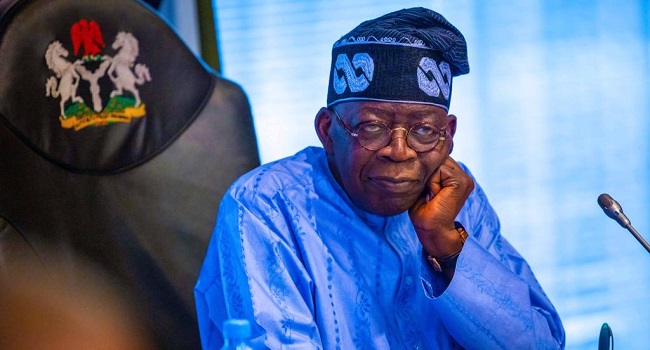
The appointment of new Nigerian ambassadors to various countries and international organizations has been delayed due to significant financial constraints. President Bola Tinubu, who initiated the recall of all ambassadors in September 2023, has been reviewing the final list of prospective envoys while on holiday in Lagos. While the initial expectation was for the list to be submitted to the National Assembly before the end of 2023, the process has been extended into January 2024, pending security and background checks on the nominees.
The delay stems primarily from a severe funding shortfall within the Ministry of Foreign Affairs. This has hampered the ability to address critical infrastructural needs at Nigerian missions abroad. The required funds are not primarily for the salaries and benefits of the ambassadors themselves, but rather for capital expenditure to renovate dilapidated embassy buildings, replace aging vehicles, and settle outstanding operational costs. The estimated cost to rectify these issues is approximately $1 billion, a substantial sum that the government is currently struggling to secure.
Nigeria maintains a significant diplomatic presence globally with 109 missions, including 76 embassies, 22 high commissions, and 11 consulates. Many of these missions are in a state of disrepair, lacking functional offices, adequate residential facilities, and even basic amenities like reliable power and water supply. The condition of the embassies not only reflects poorly on Nigeria’s image but also creates practical challenges for diplomats in carrying out their duties effectively. The lack of serviceable vehicles further compounds the issue, hindering ambassadors’ ability to represent the country appropriately.
Beyond the physical infrastructure, significant arrears in allowances owed to foreign service officers contribute to the overall financial burden. These unpaid dues, often accumulating over several months, have left many foreign service personnel struggling to meet their basic needs, including paying rent. The government recognizes the importance of addressing these outstanding payments before deploying new ambassadors, acknowledging the potential for further complications and discontent if envoys arrive at missions facing existing financial difficulties.
The prolonged absence of ambassadors has raised concerns about Nigeria’s representation on the international stage. Experts warn that this extended period without top envoys could negatively impact the country’s reputation and influence. Host governments may perceive the delay as a sign of instability or a lack of commitment to diplomatic engagement. Furthermore, the absence of ambassadors creates a vacuum in Nigeria’s ability to effectively advocate for its interests and build crucial international relationships.
The selection process for ambassadorial positions involves careful consideration of both career diplomats and political appointees. The need for thorough vetting and the complexities of assembling a balanced and representative list contribute to the timeframe for appointments. While acknowledging the financial constraints, government officials emphasize the importance of ensuring that all necessary preparations are in place before deploying new ambassadors to avoid exacerbating existing challenges at the missions. The goal is to provide the incoming envoys with the resources and support they need to effectively represent Nigeria and advance its foreign policy objectives.









