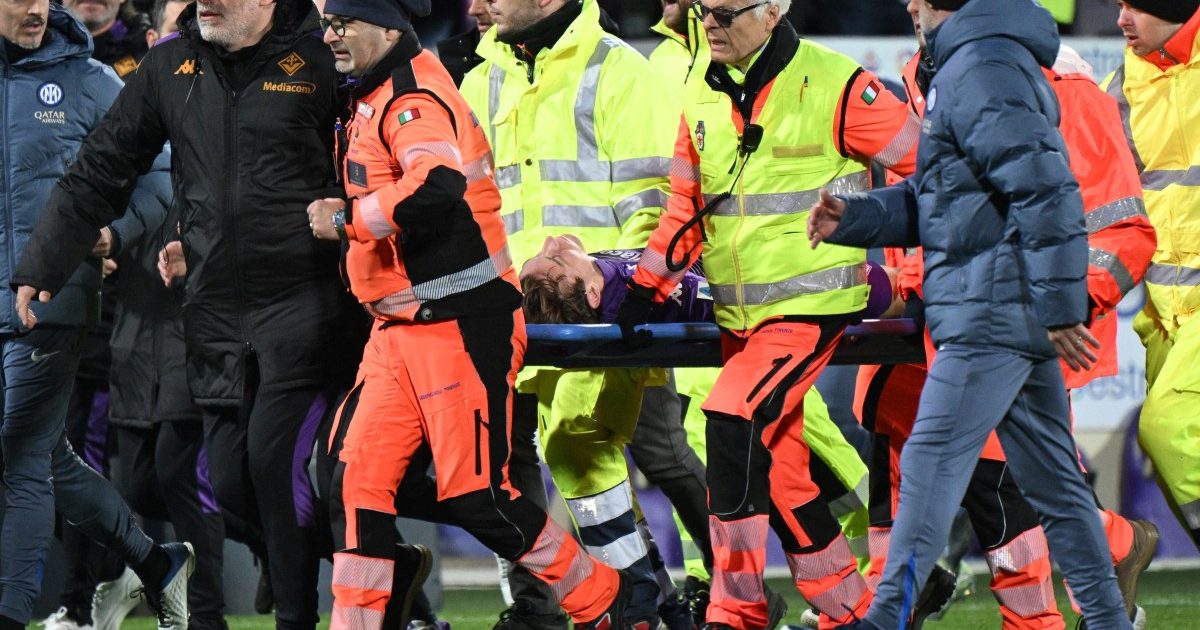
On December 1st, 2023, the football world held its breath as Fiorentina midfielder Edoardo Bove collapsed on the pitch during a Serie A match against Inter Milan. The 22-year-old suffered a cardiac arrest, prompting an immediate stoppage of the game and his swift transfer to the intensive care unit at Careggi hospital in Florence. Initial fears of severe damage to Bove’s central nervous and cardio-respiratory systems were thankfully dispelled. Within a week, Bove regained consciousness and began undergoing a series of tests to determine the cause of the sudden cardiac event and the best course of treatment.
Twelve days after the incident, Italian media outlets, including Sky Sport and Gazzetta Dello Sport, reported that Bove underwent surgery at Careggi hospital to implant a defibrillator. This device, also known as an implantable cardioverter-defibrillator (ICD), is designed to monitor the heart’s rhythm and deliver electric shocks to restore a normal heartbeat if necessary, effectively acting as a safeguard against future cardiac episodes. Fiorentina later confirmed the successful completion of Bove’s operation, adding that he was in good spirits and communicating with the club. The team expressed optimism about his imminent discharge from the hospital and the commencement of his post-operative recovery program.
While the successful operation brings immediate relief and hope for Bove’s overall health and well-being, it casts a shadow over his future in professional football, particularly within Italy. The country maintains stringent health regulations for athletes, specifically regarding cardiac conditions. The presence of an ICD, while essential for Bove’s health, could pose a significant obstacle to his continuing his career in the Italian league. This is reminiscent of the situation faced by Danish footballer Christian Eriksen in 2021.
Eriksen experienced a similar cardiac arrest during a European Championship match while playing for Denmark. Following the incident, he received an ICD implant but was subsequently barred from playing in Serie A due to Italian regulations. This forced him to leave Inter Milan, where he was playing at the time. Eriksen’s story, however, offers a glimmer of hope for Bove. Eriksen found a new home in the English Premier League with Manchester United, demonstrating that a professional football career can continue even after such a serious health scare. He also continues to represent Denmark on the international stage.
The parallels between Bove and Eriksen’s cases highlight the complex intersection of athlete health, safety regulations, and career prospects. While medical advancements have made it possible for athletes to manage and mitigate cardiac risks, sporting regulations often struggle to keep pace. This creates a challenging dilemma, particularly in countries like Italy with stricter rules, forcing athletes to choose between their health and their careers. Bove’s future in Italian football now hangs in the balance, pending further evaluation and potential appeals regarding the applicability of the existing regulations to his specific case.
The outpouring of support for Bove from the football community has been immense. Fans, fellow players, and clubs across Italy and beyond have expressed their solidarity and wished him a speedy recovery. This collective concern underscores the human side of professional sports, reminding us that athletes are individuals facing real-life challenges beyond the playing field. Bove’s situation also reignites the discussion surrounding cardiac health in athletes, the need for advanced screening methods, and the ongoing adaptation of regulations to reflect both player safety and the potential for continued athletic participation following such incidents.
As Bove embarks on his recovery journey, the football world will watch closely. His case serves as a poignant reminder of the unforeseen challenges athletes can face and the importance of balancing health and safety with the pursuit of professional aspirations. Whether he can continue his career in Italy or will need to seek opportunities elsewhere, as Eriksen did, remains uncertain. The ultimate decision will depend on a complex interplay of medical evaluations, regulatory interpretations, and Bove’s personal choices about his future.