





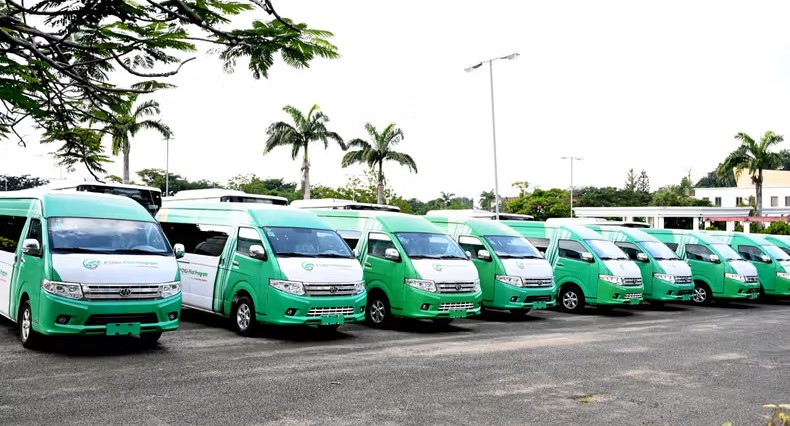
The Small and Medium Enterprises Development Agency of Nigeria (SMEDAN), a federal government agency, has unveiled an ambitious initiative to convert 100,000 vehicles to compressed natural gas (CNG) within the next 18 months. This project, a collaborative effort between SMEDAN, the presidential committee on the Compressed Natural Gas Initiative, and Rolling Energy Ltd., aims to alleviate the operational costs borne by small and medium-sized enterprises (SMEs) while simultaneously propelling Nigeria’s transition towards cleaner energy sources. This endeavor aligns with President Bola Tinubu’s mandate to have at least one million CNG-powered vehicles on Nigerian roads by 2027, with SMEDAN committed to converting 10% of this target, equivalent to 100,000 vehicles.
The initiative’s core objective is to provide SMEs with a more cost-effective means of transportation, especially given the current economic challenges. SMEDAN Director-General, Charles Odii, emphasized the significance of this project as a long-term solution for reducing business operational costs. He stressed that the agency recognizes the difficulties faced by small businesses in the prevailing economic climate and sees this initiative as a vital step towards providing much-needed relief. This project goes beyond simply converting vehicles; it represents a strategic investment in infrastructure that will support the growth and sustainability of SMEs in Nigeria.
A dedicated conversion centre, established through the partnership between SMEDAN and Rolling Energy, is projected to convert nine vehicles daily, contributing significantly to the attainment of the 100,000-vehicle target. Beyond vehicle conversion, the centre will function as a training hub for young Nigerians, equipping them with the skills necessary for CNG conversion, maintenance, and repair. This training component is crucial, as it fosters entrepreneurship within the burgeoning CNG sector, creating employment opportunities and fostering economic growth. The initiative exemplifies a multi-faceted approach to sustainable development, addressing both economic and environmental concerns.
The adoption of CNG as an alternative fuel source offers significant economic and environmental advantages. Firstly, CNG presents a considerably cheaper alternative to conventional fuels, which translates into substantial cost savings for businesses, particularly SMEs grappling with increasing operational expenses. Secondly, the initiative stimulates the development of a new value chain encompassing gas supply, metering, and conversion, thereby creating further economic opportunities. Thirdly, the shift towards CNG contributes to a cleaner environment by reducing reliance on more polluting fossil fuels.
The safety and efficiency of the conversion process have been emphasized by Rolling Energy Ltd.’s CEO, Mubarak Danbatta. He highlighted the adherence to international standards throughout the conversion process, particularly regarding high-pressure rails and cylinders, ensuring the prevention of explosions. This commitment to safety is paramount in building public trust and confidence in the adoption of CNG technology. The rigorous adherence to safety protocols ensures the long-term viability and sustainability of the project.
In conclusion, this CNG conversion initiative represents a significant step forward in Nigeria’s pursuit of sustainable development. It addresses critical challenges faced by small businesses, fosters job creation through skills development, and promotes a cleaner environment. The project’s comprehensive approach, encompassing vehicle conversion, training, and adherence to international safety standards, underscores its potential for long-term impact. By fostering the adoption of CNG technology, this initiative promises to contribute significantly to Nigeria’s economic growth and environmental sustainability while also positioning the nation as a leader in the transition to cleaner energy sources within the region.








