





The Incident and Its Aftermath
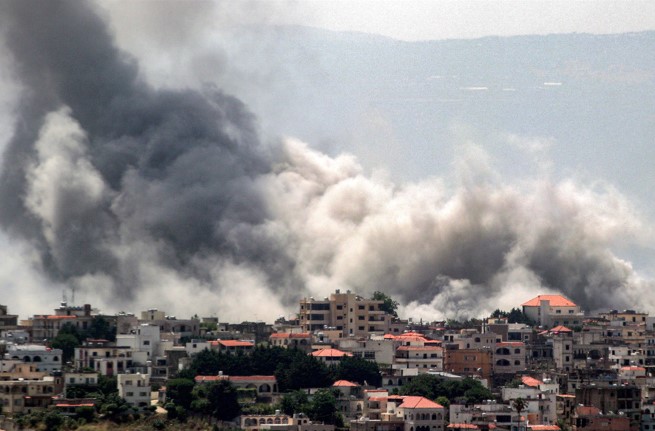
On a grim Thursday in the Nuseirat refugee camp, central Gaza, a missile strike claimed the lives of five individuals working for Al-Quds Today, a Palestinian TV channel affiliated with the militant group Islamic Jihad. The station identified the deceased as Faisal Abu Al-Qumsan, Ayman Al-Jadi, Ibrahim Al-Sheikh Khalil, Fadi Hassouna, and Mohammed Al-Lada’a, all of whom were in a broadcast truck at the time of the attack. Al-Quds Today declared that these staffers were “performing their journalistic and humanitarian duty” when the incident occurred, vowing to continue its "resistant media message" despite the tragic loss.
The Israeli Defense Forces (IDF) confirmed carrying out a “precise strike” on a vehicle in Nuseirat, asserting that the target was an “Islamic Jihad terrorist cell.” The IDF maintained that “numerous steps were taken to mitigate the risk of harming civilians” prior to the strike. A subsequent statement from the IDF identified the five deceased individuals, claiming intelligence had “confirmed that these individuals were Islamic Jihad operatives posing as journalists.” This claim directly contradicts Al-Quds Today’s assertion that the individuals were journalists engaged in their professional duties.
Witness accounts from Nuseirat corroborate that a missile, apparently fired from an Israeli aircraft, struck the broadcast vehicle parked near Al-Awda Hospital. The impact ignited the vehicle, resulting in the immediate death of all occupants. This incident adds another layer of complexity to the ongoing conflict in Gaza, raising critical questions about the targeting of media personnel and the protection of journalists in war zones.
International Reactions and the Broader Conflict
The incident has drawn sharp criticism from international press freedom organizations. The Committee to Protect Journalists (CPJ), particularly its Middle East branch, expressed devastation over the reported deaths, emphasizing that “journalists are civilians and must always be protected.” The CPJ’s statement highlights the fundamental principle that journalists, regardless of their affiliations or the nature of the conflict, should not be targeted. The Palestinian Journalists Syndicate provided sobering statistics, revealing that over 190 journalists have been killed and at least 400 injured since the start of the current war in Gaza. This starkly illustrates the perilous conditions faced by media personnel working in the conflict zone.
The current conflict, sparked by the Hamas-led attack on Israel on October 7, 2023, has resulted in a devastating loss of life on both sides. According to AFP tallies based on Israeli official figures, the October 7 attack claimed the lives of 1,208 people in Israel, predominantly civilians. In Gaza, the toll is exponentially higher. Figures from the Hamas-run health ministry, deemed reliable by the UN, indicate that Israel’s retaliatory military campaign has resulted in at least 45,399 deaths in Gaza, the majority of whom were civilians. This tragic asymmetry in casualties underscores the devastating impact of the conflict on the Palestinian population.
The Complexities of Reporting in Conflict Zones
The deaths of the Al-Quds Today staffers highlight the inherent dangers faced by journalists reporting from conflict zones. While international law recognizes the protected status of journalists as civilians, the reality on the ground is often far more complex. Journalists working in conflict areas are frequently caught in the crossfire, facing risks from all sides. They may be targeted by warring factions, mistaken for combatants, or become collateral damage in military operations.
The situation in Gaza is further complicated by the involvement of media outlets affiliated with militant groups like Islamic Jihad. This affiliation can blur the lines between journalism and activism, making it more challenging for journalists to be perceived as neutral observers. While this does not negate their right to protection as civilians, it introduces a layer of complexity that can be exploited by warring parties to justify targeting such individuals. The IDF’s assertion that the Al-Quds Today staffers were "Islamic Jihad operatives posing as journalists" exemplifies this very dynamic.
The Importance of Protecting Journalists
The protection of journalists in conflict zones is paramount for maintaining the flow of information and ensuring accountability. Journalists play a crucial role in documenting human rights abuses, exposing war crimes, and providing a window into the realities of conflict for the outside world. Their work is essential for holding those in power accountable and informing public discourse about the human cost of war. When journalists are targeted or killed, it not only silences their voices but also creates a chilling effect on the free press, hindering the ability of the media to report truthfully and independently.
International organizations like the CPJ have consistently advocated for the protection of journalists in conflict zones, urging all parties to respect international humanitarian law and ensure the safety of media personnel. These organizations emphasize that journalists, regardless of their affiliations, must be treated as civilians and allowed to carry out their work without fear of reprisal. However, in the fog of war, these principles are often disregarded, and journalists find themselves caught in the crossfire.
The Need for Independent Investigations
Incidents like the strike on the Al-Quds Today broadcast vehicle underscore the critical need for independent and impartial investigations to determine the circumstances surrounding the deaths of journalists in conflict zones. Such investigations are essential for establishing accountability, deterring future attacks on journalists, and ensuring that those responsible for targeting media personnel are brought to justice. Without transparent and credible investigations, impunity for attacks against journalists will continue to prevail, further endangering the lives of those who risk their lives to report from conflict zones.
The Ongoing Struggle for Truth and Accountability
The tragic events in Nuseirat are a stark reminder of the perilous environment faced by journalists in the Gaza Strip. As the conflict continues to rage, the struggle for truth and accountability becomes ever more challenging. The targeting of media personnel not only represents a loss of life but also a blow to the free press and the public’s right to know. Amidst the escalating violence, it is imperative that all parties respect international humanitarian law, protect journalists, and ensure that those responsible for harming them are held accountable. Only then can we hope to create a safer environment for journalists to continue their vital work of informing the world about the realities of conflict.








