





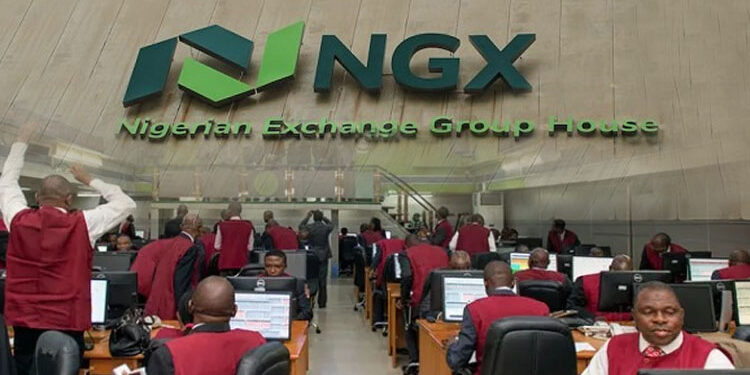
Foreign investment in the Nigerian Exchange is under significant pressure, as evidenced by a dramatic surge in year-to-date foreign outflows reaching N400.04 billion by October 2024. These outflows have outpaced foreign inflows, which stood at N344.30 billion, culminating in a net withdrawal of N55.74 billion. This shift in investment dynamics highlights a growing trend where foreign capital is being withdrawn from the market, raising concerns about the sustainability and depth of foreign investment in Nigeria’s financial landscape.
As of October 31, foreign transactions comprised only 16.65% of the total trading activity on the exchange, which was valued at N4.47 trillion for the first ten months of the year. In contrast, domestic transactions dominated with a whopping 83.35% share. In October alone, there was a notable rise in total foreign transactions by 14.61%, reaching N47.46 billion, which included N33.31 billion in inflows and N14.15 billion in outflows. However, the share of foreign investors in the total market activity was only 9.44%, while domestic investors contributed an overwhelming 90.56% to the N502.73 billion total transactions for the month.
The continuous depreciation of the naira, which has fallen by 2.31% to a rate of N1690.37 per dollar at the National Autonomous Foreign Exchange Market, has compounded the apprehensions felt by foreign investors. Such currency volatility tends to erode investor confidence, as stability is a critical criterion for investment decisions. Domestic investors have stepped up to fill the gap, contributing N3.73 trillion year-to-date, with retail investors bringing in N1.91 trillion and institutional investors contributing N1.82 trillion. This domestic resilience indicates a robust local market, despite the challenges posed by investor sentiment surrounding foreign participation.
Comparative figures reveal a slight improvement in foreign transactions over the previous year, increasing from N291.38 billion year-to-date in October 2023 to N744.34 billion in 2024. However, this growth still cements the dominance of domestic trading, raising questions about the ability of the Nigerian Exchange to attract sustained foreign capital over the long term. David Adonri, a broker and board member of Highcap Securities, pointed out that the continued foreign outflow indicates that these investors are primarily repatriating profits. Such trends suggest a lack of commitment to the local markets amidst macroeconomic instabilities.
Adonri further elaborated that while volatility in the naira was a central factor contributing to foreign investor withdrawals, the existing robust domestic participation mitigates the risks of economic destabilization. Even though the capital appreciation in local stocks signals a resilient market, the diminishing influence of foreign investors suggests a shift in the fundamental dynamics of trading on the exchange. The future economic scenarios will largely depend on how well domestic investors can sustain their current levels of participation in the face of challenges posed by fluctuating currency values and external economic conditions.
In conclusion, the Nigerian Exchange is currently navigating a complex landscape characterized by significant foreign withdrawals contrasted with strong domestic participation. The outflows reflect broader concerns regarding investment stability fueled by the depreciation of the naira and the repatriation of profits by foreign investors. While domestic investors have robustly stepped in, bolstering the market’s liquidity, their presence cannot fully mitigate the implications of reduced foreign participation. Moving forward, the exchange may need to cultivate strategies to enhance foreign investor confidence and shore up its appeal to international markets while fostering a stable and conducive trading environment.








