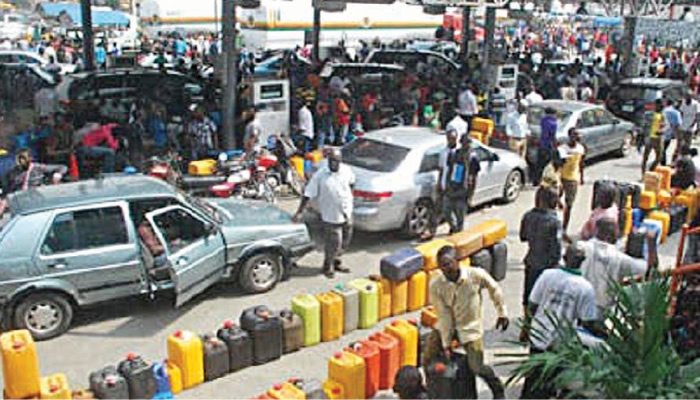
The pricing disparity between locally refined and imported Premium Motor Spirit (PMS), commonly known as petrol, in Nigeria has sparked debate and concern within the downstream petroleum sector. Local refiners and marketers contend that dollar-denominated charges levied on locally refined PMS, coupled with the cost of importing crude oil, contribute significantly to the higher price of domestically produced petrol compared to its imported counterpart. This situation creates a complex pricing dynamic that impacts consumers and businesses alike.
Data from the Major Energies Marketers Association of Nigeria (MEMAN) reveals a stark price difference. As of December 5, 2024, the landing cost of imported petrol was N958.89 per litre. In contrast, locally refined petrol from the Dangote Petroleum Refinery was priced at N970/litre, while petrol from the Port Harcourt Refining Company reached N1,030/litre. This price gap underscores the challenges faced by local refineries in competing with imported petrol. Industry operators attribute this disparity to the continued use of dollar-denominated charges for various services related to local refining operations, including jetty charges and fees levied by government agencies like the Nigerian Maritime Administration and Safety Agency (NIMASA) and the Nigerian Ports Authority (NPA).
The Crude Oil Refinery Owners Association of Nigeria (CORAN) has voiced concerns over the persistence of dollar-denominated charges, highlighting the negative impact on the cost of locally refined products. CORAN’s Publicity Secretary, Eche Idoko, specifically pointed out jetty charges as a major challenge, emphasizing that charging fees in dollars for domestically consumed commodities creates a significant hurdle for downstream businesses. This sentiment is echoed by marketers, who have urged NIMASA to adopt naira-based charges to alleviate the financial burden on local refineries and promote a level playing field.
Historically, NIMASA and NPA have levied dollar-denominated charges on petroleum sector operators. This practice has drawn criticism from marketers, particularly MEMAN, who argue that these charges inflate the pump price of petrol due to fluctuating exchange rates. Marketers reportedly pay approximately $10 per metric tonne to government agencies, adding to the overall cost of PMS. With the commencement of operations at the Dangote refinery, calls for a shift to naira-denominated charges have intensified, although some agencies have reportedly begun complying with this demand.
Beyond jetty charges, other dollar-denominated fees, including pipeline fees, contribute to the higher cost of locally refined petrol. Industry insiders have stressed the need for government intervention to address these charges and promote price competitiveness for locally refined products. An official from the Dangote refinery acknowledged the impact of these dollar-denominated charges, expressing optimism that agencies would eventually transition to naira-based fees at rates that wouldn’t unduly affect petrol pricing.
Independent Petroleum Marketers Association of Nigeria (IPMAN) has also raised concerns about the persistence of dollar-denominated charges. Hammed Fashola, IPMAN’s National Vice President, emphasized that if agencies like NIMASA and NPA continue charging in dollars, the price of PMS and other refined products will remain elevated, regardless of whether crude oil is sold in naira. He stressed the importance of reviewing and potentially eliminating these charges to ensure fair pricing. IPMAN’s National Publicity Secretary, Ukadike Chinedu, echoed this sentiment, advocating for the conversion of all dollar-denominated charges to naira in line with the presidential directive that crude oil be sold to the Dangote refinery in naira, with the expectation that the refinery would sell its products domestically in the local currency.
NIMASA has acknowledged the ongoing transition from dollar-denominated charges to naira-based fees. While the change is not yet fully implemented, the agency has confirmed ongoing efforts to facilitate this transition, including discussions with stakeholders like the Dangote refinery. The Federal Government is reportedly actively involved in this process to ensure a smooth shift to naira-based payments. This transition is crucial for promoting the competitiveness of locally refined petrol and ensuring compliance with the presidential directive regarding naira transactions within the petroleum sector. Furthermore, the reliance on imported crude by the Dangote refinery is an additional factor impacting the price of locally produced petrol. The price of imported crude, influenced by global market fluctuations and exchange rates, directly affects the refinery’s production costs. This dynamic underscores the complexity of petrol pricing and the multiple factors that contribute to fluctuations in the market. Marketers emphasize the need for a comprehensive approach to address these challenges and ensure fair and competitive pricing for both locally refined and imported petrol.