





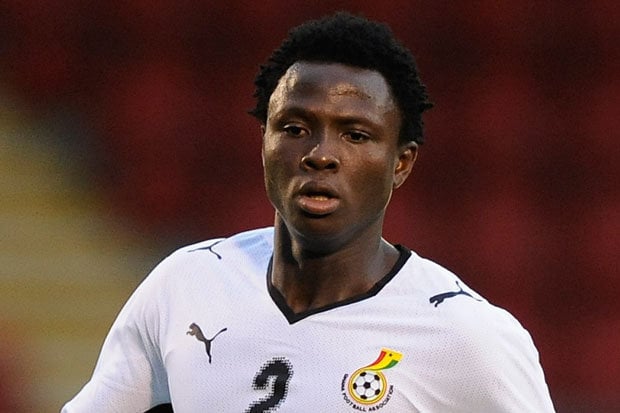
Samuel Inkoom, a former player for the Black Stars, has recently faced serious legal troubles after being charged with defrauding a student, Benjamin Opare Addo, in an Accra Circuit Court. The case revolves around allegations that Inkoom collected $3,500 from Addo with the promise of securing a visa for travel to the Netherlands. However, Inkoom failed to deliver on this promise, leading to the charges against him. The court proceedings have garnered attention given Inkoom’s status as a former athlete and the nature of the allegations. Charged under accusations of defrauding by false pretenses, Inkoom’s case raises questions about trust and accountability, particularly in the context of professional athletes and their post-career ventures.
At the center of the case is a visa application process that Inkoom allegedly misrepresented to Addo. The prosecution asserts that Inkoom, claiming to be the owner of S. Inkoom Travel and Tour Company, convinced Addo that he could facilitate a successful visa application for a fee of $3,500. The arrangement took place in September 2023, with Addo making a series of payments totaling GHC32,100 over a two-month period. The timeline outlined by the prosecution indicates that Inkoom was aware of his failure to deliver the visa and continued to accept payments, which raises further legal and ethical questions about his intentions during the transaction.
In court, Inkoom pleaded not guilty to the charges, and his lawyer has argued in favor of granting bail. The defense emphasized the defendant’s efforts to rectify the situation, pointing out that he had already refunded GHC7,000 to Addo. Furthermore, his legal counsel highlighted Inkoom’s reputation and stressed his commitment to returning for future court appearances, portraying him as a responsible defendant. The court granted him bail set at GHC50,000 with one surety, allowing Inkoom a chance to remain free while awaiting trial, which is scheduled to reconvene on December 30, 2024.
The prosecution’s case, spearheaded by Chief Inspector Jonas Lawer, outlines a pattern of deception on Inkoom’s part. After failing to provide the promised visa, Addo’s efforts to recover his funds or obtain the visa were unsuccessful and prompted him to report Inkoom to the authorities. The timeline concluded with Inkoom’s arrest on January 11, 2024, during which he initially admitted to the offense and exhibited a willingness to refund a portion of the money, but he did not return the full outstanding amount of GHC25,100. This admission and the incomplete refunds have strengthened the prosecution’s stance in the ongoing trial.
Inkoom’s case is not just a reflection of an individual legal battle; it also highlights broader issues of trust within the sports community and the ramifications of financial mismanagement. As a public figure, the consequences of such actions can impact not only Inkoom’s personal reputation but also the public’s perception of athletes’ professional integrity. The case serves as a cautionary tale, suggesting a need for greater transparency and caution among athletes who delve into business ventures post-retirement, especially in fields that require financial transactions and promises of service.
As the trial unfolds, observers will be closely watching for its outcome and the implications it may have for Inkoom’s career and reputation. The charges against him underscore the importance of accountability in all areas of life, including sports, where public figures are often held to higher standards. With the legal proceedings anticipated to progress in the coming months, Inkoom’s defense, the prosecution’s assertions, and the court’s eventual ruling will be pivotal in determining the future for this former athlete and the message it conveys to similarly situated individuals in the sports community.








