





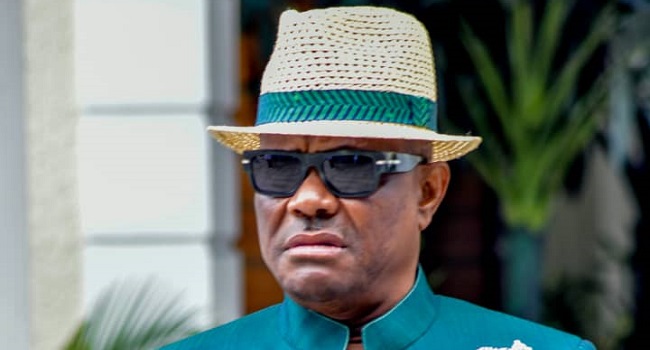
Chibudom Nwuche, former Deputy Speaker of the House of Representatives, has lauded the developmental strides of Nyesom Wike, the immediate past governor of Rivers State and current Minister of the Federal Capital Territory, particularly within the Ekpeye kingdom, encompassing Ahoada East and Ahoada West local government areas. Nwuche contends that Wike’s administration surpasses all previous administrations in its commitment to the region’s progress, citing numerous infrastructural projects and empowerment initiatives as evidence. This assertion was made during an appreciation event organized by Nwuche in Ochigba, Ahoada East, to acknowledge the support of both PDP and APC leaders for Wike.
Nwuche’s commendation of Wike stems from a comparative analysis of past governors’ contributions to Ekpeyeland. He challenges attendees to identify significant developmental projects initiated by previous administrations, including those of Rufus Ada-George, Peter Odili, and Chibuike Amaechi. He argues that these administrations left no tangible legacy in the region, contrasting their inaction with Wike’s extensive project portfolio. He enumerates over 18 projects undertaken by Wike, including the Rivers State University campus in Ahoada, the Ahoada-Omoku road constructed by Julius Berger, and the Ochigba Road, initially awarded but abandoned by the Amaechi administration, yet completed by Wike. Nwuche emphasizes that Wike’s commitment to these projects, even those initiated by his political rivals, demonstrates a focus on the welfare of the people and the overall development of the state.
Central to Nwuche’s praise is Wike’s focus on empowerment initiatives, which he defines as projects that provide livelihood opportunities. He highlights Wike’s support for a local company in Ahoada, which subsequently undertook the construction of the Ogbogu road. Nwuche underscores Wike’s pragmatic approach to governance, emphasizing his willingness to continue and complete projects initiated by previous administrations, regardless of political affiliations. This approach, according to Nwuche, is crucial for the progress of the state and avoids the pitfalls of politically motivated project abandonment. He contrasts Wike’s inclusive approach with the alleged “witch-hunt” tactics employed by some past governors, claiming to have personally experienced such persecution.
Nwuche further emphasizes Wike’s magnanimous leadership style, urging those in positions of authority to embrace inclusivity and avoid parochialism. He cites Wike’s willingness to collaborate with former political opponents from the APC as a testament to his forgiving nature and his commitment to unity and progress. This ability to transcend political divides, Nwuche argues, is a defining characteristic of effective leadership. He highlights the importance of broad-mindedness in governance, suggesting that a narrow focus can hinder development and create unnecessary divisions.
Nwuche extends his message beyond mere commendation of Wike, offering practical advice to party leaders within both the PDP and APC. He stresses the importance of functional party structures at the ward and local government levels, emphasizing their role in fostering a sense of belonging among party members. He advocates for inclusive participation in party meetings and decision-making processes, urging leaders to avoid factionalism and prioritize unity. This call for inclusivity echoes his earlier praise of Wike’s leadership style, suggesting a model for effective political engagement.
In essence, Nwuche’s address serves as a strong endorsement of Wike’s leadership, emphasizing his commitment to the development of Ekpeyeland and his inclusive approach to governance. He contrasts Wike’s achievements with the perceived shortcomings of previous administrations, highlighting the importance of prioritizing the welfare of the people over political maneuvering. Furthermore, his call for unity and functional party structures suggests a broader vision for political engagement in Rivers State, one that prioritizes collaboration and inclusivity for the overall benefit of the region. Nwuche’s message serves as both a tribute to Wike’s leadership and a call for a more unified and development-focused approach to politics in Rivers State.








