





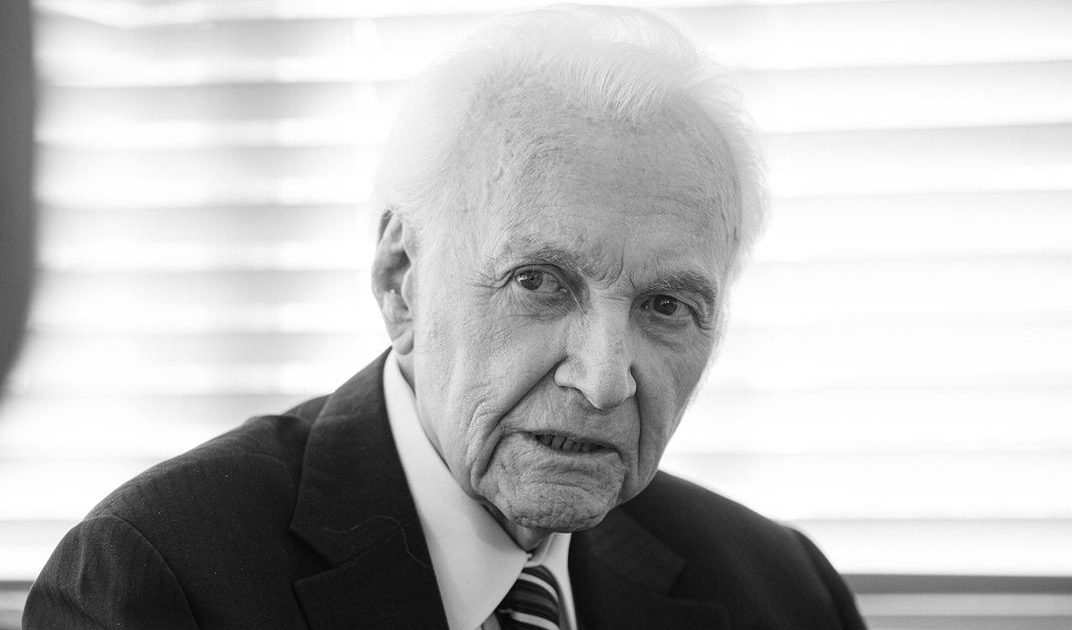
Arnold Ruutel: A Life Dedicated to Estonian Independence and European Integration
Arnold Ruutel, a pivotal figure in Estonia’s journey from Soviet dominion to independent statehood and European integration, passed away at the age of 96. His life, spanning nearly a century, witnessed and actively shaped the dramatic transformations of his homeland. From his initial role within the Communist Party during the waning years of the Soviet era to his instrumental leadership in Estonia’s pursuit of sovereignty and subsequent presidency, Ruutel’s contributions left an indelible mark on the nation’s history.
Born in 1928, Ruutel’s early life coincided with a period of immense political upheaval in Estonia. The country, having briefly enjoyed independence between the two World Wars, was forcibly incorporated into the Soviet Union in 1940. This annexation, followed by the tumultuous years of World War II and the subsequent decades of Soviet rule, profoundly impacted the lives of Estonians, including Ruutel. His early career within the Communist Party apparatus positioned him within the system, providing a unique vantage point from which to witness the inner workings of Soviet power and, eventually, its decline.
As the Soviet Union began to falter in the late 1980s, Ruutel emerged as a key player in Estonia’s burgeoning independence movement. He navigated the complex political landscape with astute pragmatism, recognizing the shifting tides of power and the growing desire for self-determination among his countrymen. His involvement in the Estonian Supreme Soviet and his role in the declaration of Estonian sovereignty in 1988 marked crucial steps toward the eventual restoration of independence in 1991. Ruutel’s ability to bridge the divide between the existing Soviet structures and the aspirations of the independence movement proved invaluable during this delicate transition.
Following the restoration of independence, Ruutel continued to serve Estonia in various capacities, including as chairman of the Supreme Soviet and, later, as speaker of the Riigikogu, the Estonian parliament. His experience and political acumen were instrumental in shaping the young nation’s political institutions and guiding its transition to a democratic system. He played a crucial role in drafting the new Estonian constitution, laying the foundation for a stable and democratic future.
In 2001, Arnold Ruutel was elected as the President of Estonia, a position he held until 2006. During his presidency, Estonia achieved significant milestones on the international stage, joining both the European Union and NATO in 2004. These achievements marked the culmination of years of effort to integrate Estonia into the Western community of nations, securing its place within the European political and security architecture. Ruutel’s leadership during this period was instrumental in navigating the complex negotiations and securing popular support for these historic decisions.
Ruutel’s legacy is that of a leader who guided Estonia through tumultuous times, from Soviet rule to independence and integration into the European family of nations. His pragmatic approach, coupled with his deep understanding of Estonian society and the international political landscape, enabled him to play a pivotal role in shaping the destiny of his country. His passing marks the end of an era, but his contributions will continue to resonate within Estonia for generations to come. He will be remembered as a steadfast advocate for Estonian sovereignty, a skilled political navigator, and a key architect of the nation’s modern identity.








